5 Pro Tips How to Mix Organic Topsoil
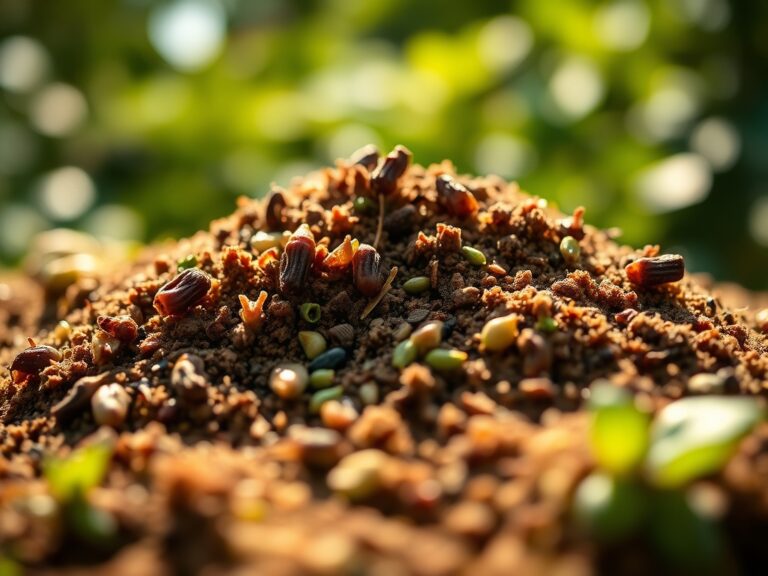
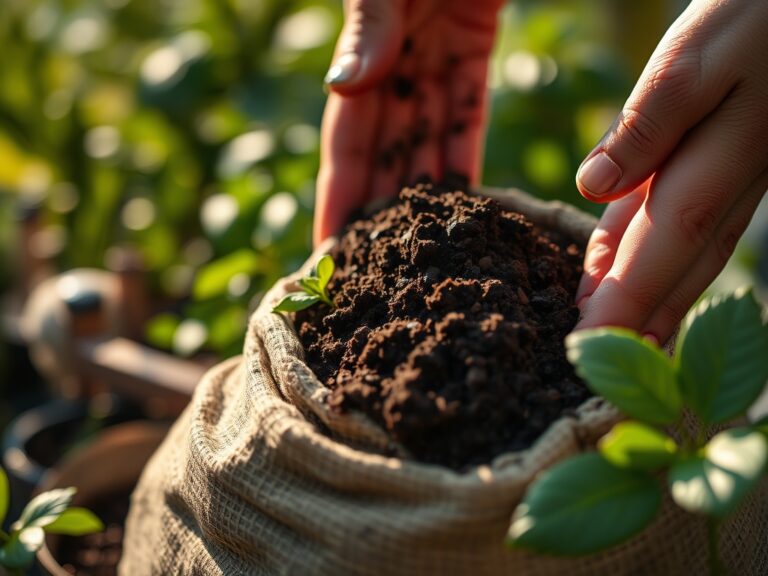
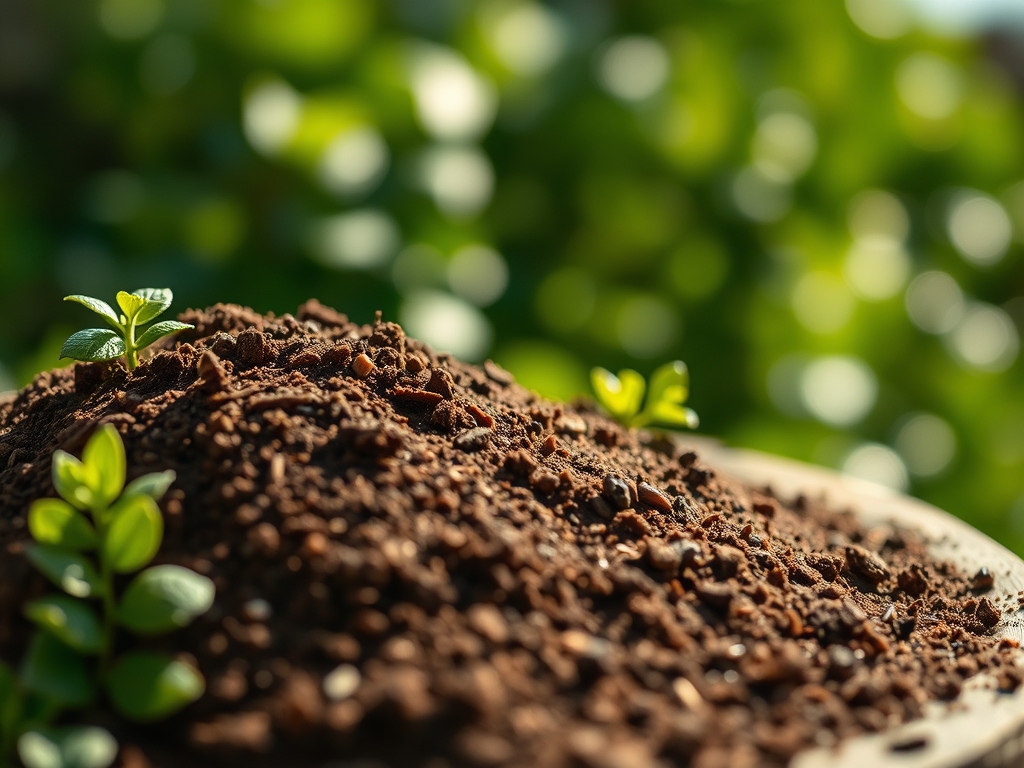
Crushing a handful of well cured loam reveals the scent of geosmin; it is the olfactory signature of a healthy microbial population. When a plant maintains maximum turgor pressure, its leaves stand rigid and the vascular system transports nutrients with peak efficiency. Success begins underground. Learning how to mix organic topsoil requires more than tossing compost into a hole. It demands a precise calibration of mineral particles and organic matter to optimize the rhizosphere for root development.
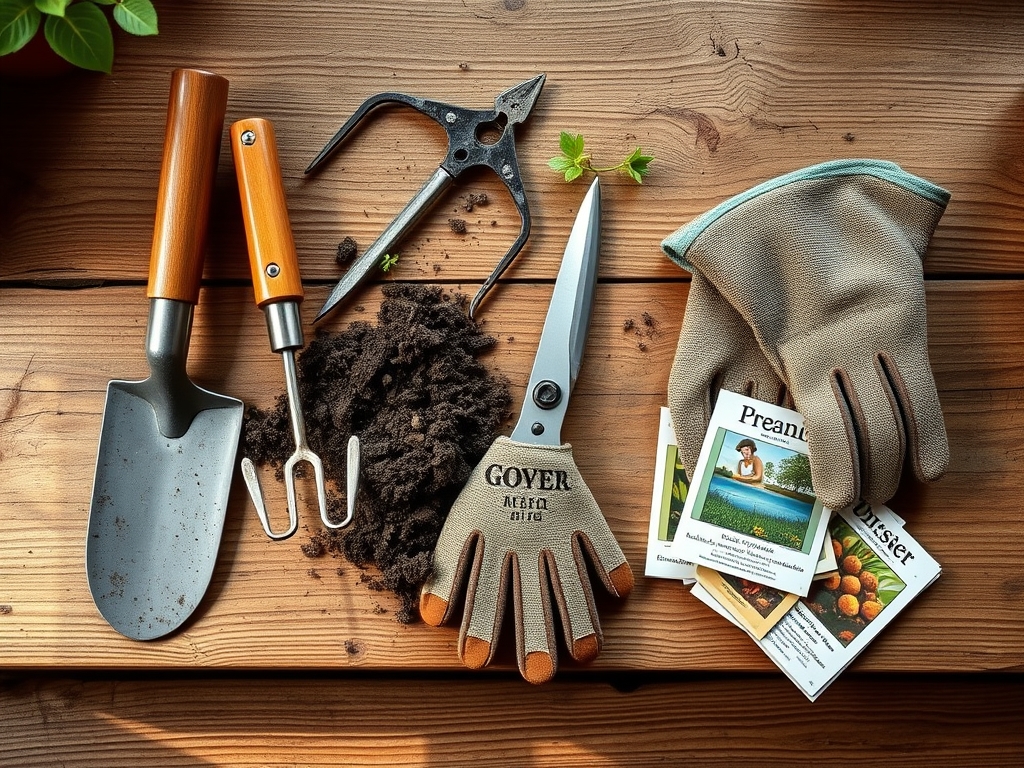
Materials:
The foundation of high quality topsoil is a **40-40-20 ratio** of sand, silt, and clay. This creates a friable loam that prevents compaction while maintaining high Cation Exchange Capacity (CEC). To achieve the ideal chemical profile, aim for a **pH between 6.2 and 6.8**.
Specific organic amendments should follow strict NPK (Nitrogen-Phosphorus-Potassium) targets based on the crop. For vegetative growth, incorporate composted poultry manure with a 4-3-2 ratio. For root development and flowering, integrate bone meal or rock phosphate to boost Phosphorus levels. A standard organic mix should include:
- Base: 50 percent screened field soil or forest humus.
- Aeration: 20 percent perlite or coarse river sand.
- Organic Matter: 30 percent well rotted compost or leaf mold.
- Mineral Buffers: 2 pounds of dolomitic lime per 100 square feet to manage acidity and provide Calcium and Magnesium.
Timing:
The biological clock of your soil starts 4 to 6 weeks before the first frost date in your specific Hardiness Zone. In Zones 5 through 7, soil mixing should occur in late autumn or early spring when soil temperatures reach a consistent 50 degrees Fahrenheit. This allows the microbial community to stabilize before the plant enters the rapid vegetative stage.
Understanding the transition from vegetative to reproductive stages is critical. Nitrogen demand peaks during the initial leafing phase, while Potassium requirements spike as the plant enters senescence or fruit production. Mixing your soil during the dormant season ensures that the slow release organic bonds have time to break down into plant available ions.
Phases:

Sowing
When direct seeding into organic topsoil, the texture must be fine enough to ensure "seed to soil" contact. Large clumps of organic matter create air pockets that dehydrate emerging radicles. Sift your top 2 inches of soil through a quarter inch hardware cloth.
Pro-Tip: Utilize the principle of hydrotropism. Dampen the soil mix 24 hours before sowing to create a moisture gradient. This encourages the primary root to grow downward immediately, seeking the higher water potential in the lower soil strata.
Transplanting
Moving a plant from a sterile potting medium into a mineral rich organic topsoil can cause transplant shock. Dig a hole twice the width of the root ball and backfill with your custom mix. Ensure the root flare remains at the soil surface level to prevent stem rot.
Pro-Tip: Inoculate the transplant hole with mycorrhizal fungi. This symbiotic relationship expands the root surface area by up to 100 times, allowing the plant to scavenge Phosphorus and water that would otherwise be inaccessible.
Establishing
During the first 21 days, the plant focuses on architectural root growth. Avoid high nitrogen fertilizers during this window to prevent auxin suppression. If the plant senses too much surface nitrogen, it will fail to develop the deep taproot necessary for long term stability.
Pro-Tip: Monitor the photoperiod requirements of your specific cultivar. While soil provides the fuel, light duration dictates the hormonal shift from structural growth to reproductive maturity.
The Clinic:
Physiological disorders often stem from soil imbalances rather than pathogens. Use this diagnostic guide to troubleshoot your organic mix.
-
Symptom: Interveinal chlorosis (yellowing between green veins) on new growth.
-
Solution: This indicates an Iron deficiency, often caused by a pH above 7.0.
-
Fix-It: Amend with elemental sulfur to lower pH and increase iron bioavailability.
-
Symptom: Purpling of the underside of leaves and stunted growth.
-
Solution: Phosphorus deficiency, common in cold soils or high clay content.
-
Fix-It: Incorporate steamed bone meal and ensure soil temperatures are above 60 degrees Fahrenheit.
-
Symptom: Blossom end rot on fruit.
-
Solution: Calcium localized deficiency, often caused by inconsistent moisture levels.
-
Fix-It: Maintain steady hydration and add gypsum to the soil mix to increase Calcium without altering pH.
Maintenance:
Precision irrigation is the key to maintaining soil structure. Deliver 1.5 inches of water per week directly at the drip line. Avoid overhead watering to prevent foliar fungal spores from activating. Use a soil moisture meter to verify that the root zone at a 6 inch depth is consistently moist but not anaerobic.
Keep a hori-hori knife sharpened for weeding; this tool allows you to extract taproots without disrupting the surrounding soil aggregates. Use bypass pruners for clean cuts on any dead or diseased tissue to prevent the spread of vascular wilt. Every six months, top dress with 1 inch of fresh compost to replenish the organic fraction lost to decomposition.
The Yield:
Harvesting is the culmination of proper soil management. For most crops, harvest in the early morning when turgor pressure is at its highest. This prevents wilting and preserves the cellular structure of the plant. If harvesting flowers, cut at a 45 degree angle and submerge the stems in 100 degree Fahrenheit water immediately to break air locks in the xylem.
For edible crops, handle the harvest with minimal pressure to avoid bruising. Rapidly cooling the produce to 40 degrees Fahrenheit slows the rate of respiration, ensuring "day-one" freshness and preserving the nutrient density provided by your organic topsoil.
FAQ:
What is the best ratio for mixing organic topsoil?
Aim for 50 percent native mineral soil, 30 percent high quality compost, and 20 percent aeration components like perlite. This balance ensures adequate drainage while maintaining a high Cation Exchange Capacity for nutrient retention.
How do I lower the pH of my soil organically?
Incorporate elemental sulfur or peat moss into the mix. These materials break down slowly to release acidity. Always test soil pH before and after application to ensure you stay within the 6.2 to 6.8 range.
Can I use fresh manure in my topsoil mix?
No. Fresh manure contains high ammonia levels that burn tender roots and may harbor pathogens. Always use "hot composted" manure that has aged for at least six months to ensure it is biologically stable.
Why is my organic soil draining too slowly?
Slow drainage indicates high clay content or compaction. Increase the "macropore" space by adding coarse sand or expanded shale. Proper drainage is essential to prevent anaerobic conditions and root rot in the rhizosphere.
How often should I test my organic topsoil?
Conduct a professional laboratory soil test every 2 to 3 years. This provides data on micronutrient levels and organic matter percentages, allowing for precise amendments rather than speculative fertilizing.