6 Steps for Installing a Greenhouse Misting System for Tropical Veggies
Tropical vegetables demand atmospheric moisture levels between 70 and 90 percent to thrive in greenhouse environments. Most growers who cultivate papaya, taro, winged beans, and Asian cucurbits find that passive humidity methods fail to meet these requirements. The steps for installing a greenhouse misting system transform arid indoor climates into tropical microclimates by delivering fine water droplets that evaporate before saturating foliage, preventing fungal pathogens while maintaining optimal vapor pressure deficit.
A properly calibrated misting system applies 0.5 to 2.0 gallons per hour across 100 square feet, depending on outdoor temperature and solar radiation intensity. The installation process requires precision in hydraulic calculations, nozzle spacing, and controller programming. These steps for installing a greenhouse misting system will provide the technical foundation for creating stable growing conditions that match equatorial ecosystems.
Materials
Select a high-pressure pump rated for 80 to 120 PSI. Diaphragm pumps deliver consistent pressure without requiring frequent maintenance. The system demands reverse-osmosis filtered water or rainwater with total dissolved solids below 50 ppm to prevent nozzle calcification.
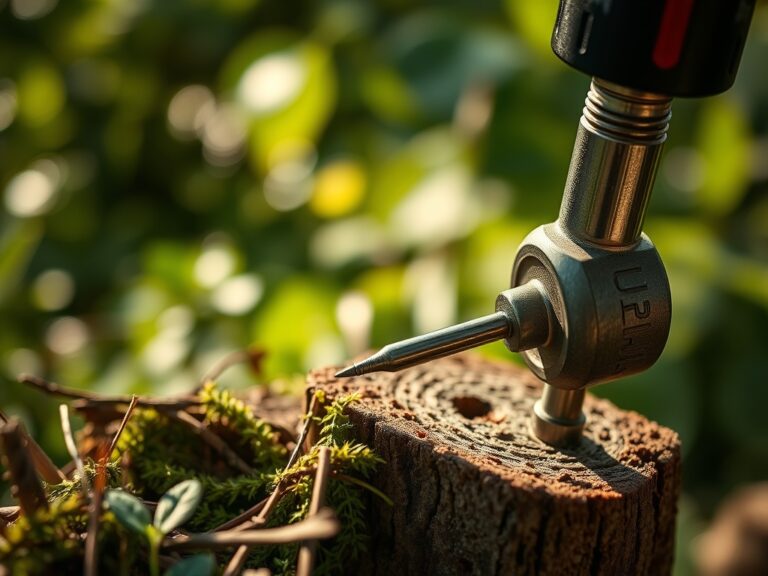
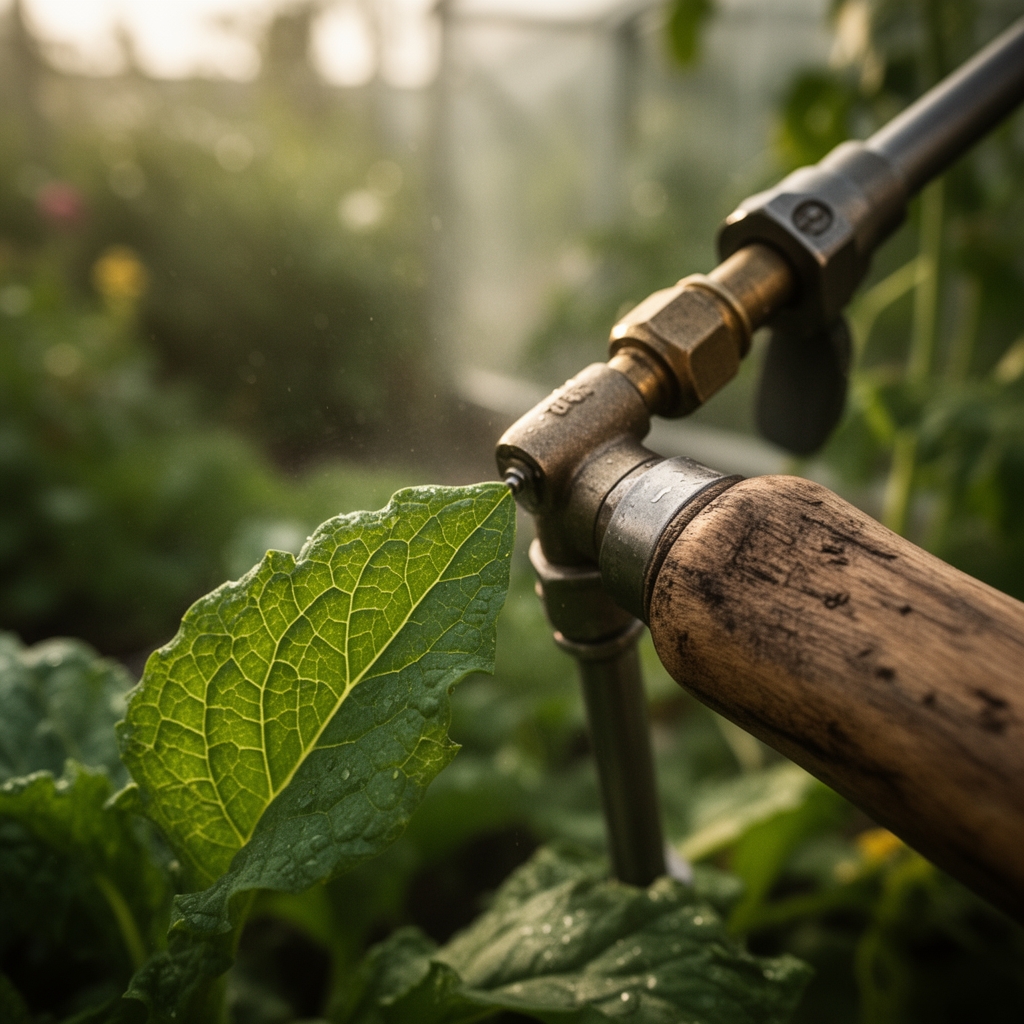
Purchase brass or stainless steel misting nozzles with orifice diameters of 0.012 to 0.016 inches. These produce droplet sizes between 10 and 50 microns. Install pressure-compensating nozzles to maintain uniform output across long lateral runs.
Use UV-resistant polyethylene tubing rated for 150 PSI minimum burst pressure. Half-inch mainlines and quarter-inch lateral lines accommodate most greenhouse layouts under 2,000 square feet. Include a 200-mesh inline filter to protect nozzles from particulate clogging.
Choose a programmable timer with interval settings as short as 15 seconds. Analog timers lack the precision required for tropical humidity control. Add a humidistat controller that triggers misting cycles when relative humidity drops below your target threshold.
Apply mycorrhizal inoculant (Glomus intraradices) at transplanting to improve water uptake efficiency in tropicals like Malabar spinach. Supplement with a balanced 5-5-5 organic fertilizer containing kelp meal for trace minerals and beneficial plant hormones.
Install pressure gauges at the pump outlet and at the furthest nozzle point. Differential readings above 15 PSI indicate undersized tubing or excessive line length.
Timing
Begin installation 4 to 6 weeks before transplanting tropical seedlings. This window allows for system testing and calibration adjustments. In USDA Hardiness Zones 7 through 10, install systems between March and May when greenhouse daytime temperatures first exceed 78°F.
For year-round tropical production in northern zones (3-6), installation timing is less critical. Focus instead on coordinating with heating system upgrades to maintain minimum nighttime temperatures of 65°F.
Test the system continuously for 72 hours before introducing plants. Monitor for leaks, pressure drops, and coverage gaps. Adjust nozzle positions during this diagnostic period.
Phases

Hydraulic Design Phase: Calculate total nozzle count by dividing greenhouse square footage by 16 (each nozzle covers approximately a 4-foot diameter circle). Multiply nozzle count by 0.5 GPH to determine minimum pump capacity. Add 20 percent overhead for pressure loss in fittings and tubing runs. Mount the pump at least 12 inches below the water reservoir to maintain positive suction head.
Pro-Tip: Install a pressure accumulator tank (1 to 2 gallons) between pump and mainline to reduce cycling frequency and extend diaphragm life.
Distribution Phase: Run the mainline along the greenhouse ridge or gutter at 7 to 8 feet above ground. Space lateral lines every 6 to 8 feet perpendicular to the mainline. Position nozzles 4 feet apart on lateral lines, pointing downward at 45-degree angles. Secure tubing with UV-resistant cable ties every 3 feet to prevent sagging.
Install the filter housing at the pump outlet before any T-fittings. Mount the pressure gauge immediately after the filter. Place the timer and humidistat controller in a weatherproof electrical box near the pump.
Pro-Tip: Orient nozzles away from direct sunlight paths during peak radiation hours (11 AM to 2 PM) to reduce calcium and magnesium deposition on orifices.
Calibration Phase: Set initial misting intervals to 30 seconds every 10 minutes during daylight hours. Suspend misting 2 hours before sunset to allow foliage to dry, reducing Botrytis and Alternaria risks. Measure relative humidity at plant canopy height using a digital hygrometer with 1-percent accuracy. Adjust interval frequency and duration until readings stabilize between 75 and 85 percent.
Monitor leaf temperature with an infrared thermometer. Properly functioning mist systems maintain leaf surfaces 3 to 5°F cooler than ambient air temperature through evaporative cooling.
Pro-Tip: Add 1 fluid ounce of hydrogen peroxide (3 percent solution) per gallon to the reservoir weekly to suppress algae growth and biofilm formation in supply lines.
Troubleshooting
Symptom: White mineral deposits accumulate on nozzle tips within 2 weeks.
Solution: Switch to reverse-osmosis water or install an inline water softener. Clean nozzles by soaking in white vinegar (5 percent acetic acid) for 30 minutes monthly.
Symptom: Pressure gauge reads 60 PSI or lower during operation.
Solution: Check for kinked tubing or clogged filters. Replace pump diaphragm if unit is older than 18 months of continuous use.
Symptom: Leaf edges show interveinal chlorosis despite adequate fertilization.
Solution: Excessive misting leaches calcium and magnesium from cation exchange sites in growing media. Reduce misting duration by 25 percent and apply foliar calcium chloride (0.5 percent solution) weekly.
Symptom: Fungal spots appear on lower foliage of bitter melon and long beans.
Solution: Increase air circulation with horizontal airflow fans operating at 50 CFM per 100 square feet. Extend the evening dry-down period to 3 hours before dusk.
Symptom: Uneven mist coverage with dry zones in corners.
Solution: Add supplemental nozzles at problem areas or increase mainline pressure by 10 PSI. Verify nozzle orifices are not partially blocked.
Maintenance
Flush the entire system with clean water every 2 weeks. Close the mainline valve and remove the filter screen. Rinse under high pressure to dislodge accumulated sediment.
Replace in-line filters every 90 days or when pressure differential exceeds 20 PSI. Disassemble nozzles quarterly and inspect orifices with a magnifying lens. Replace any nozzles showing erosion or deposits that resist vinegar cleaning.
Apply 1 inch of water per week to containerized tropical vegetables through drip irrigation in addition to misting. Mist systems provide humidity but insufficient root-zone moisture. Fertigation through drip lines delivers nutrients without interfering with foliar misting.
Calibrate the humidistat sensor every 6 months using a saturated salt reference solution (75 percent RH standard). Sensors drift over time and may trigger excessive misting.
Check pump seals monthly for leaks. Replace worn diaphragms immediately to prevent total system failure during critical growth phases.
FAQ
How often should misting cycles run for fruiting tropical vegetables?
Run 20 to 30-second cycles every 8 to 12 minutes during daylight hours when temperatures exceed 75°F. Reduce frequency by 50 percent during cloudy conditions or when ambient humidity rises above 70 percent naturally.
Can I use tap water for greenhouse misting systems?
Only if total dissolved solids measure below 75 ppm and water hardness stays under 3 grains per gallon. Municipal water typically contains 150 to 300 ppm TDS, causing rapid nozzle clogging.
What pressure rating works best for tropical vegetable production?
Maintain 100 PSI at the nozzles for optimal droplet atomization. Lower pressure produces larger droplets that wet foliage rather than humidify air, increasing disease pressure.
Do misting systems reduce auxin distribution to lower leaves?
No. Properly timed misting creates atmospheric moisture without interfering with basipetal hormone transport. Stop misting 90 minutes before applying foliar growth regulators.
How does misting affect mycorrhizal colonization rates?
Consistent humidity between 75 and 85 percent increases hyphal growth rates by 30 to 40 percent compared to fluctuating conditions. Avoid substrate saturation, which reduces oxygen availability required for fungal respiration.