7 Safety Steps to Use a Systemic Indoor Insecticide
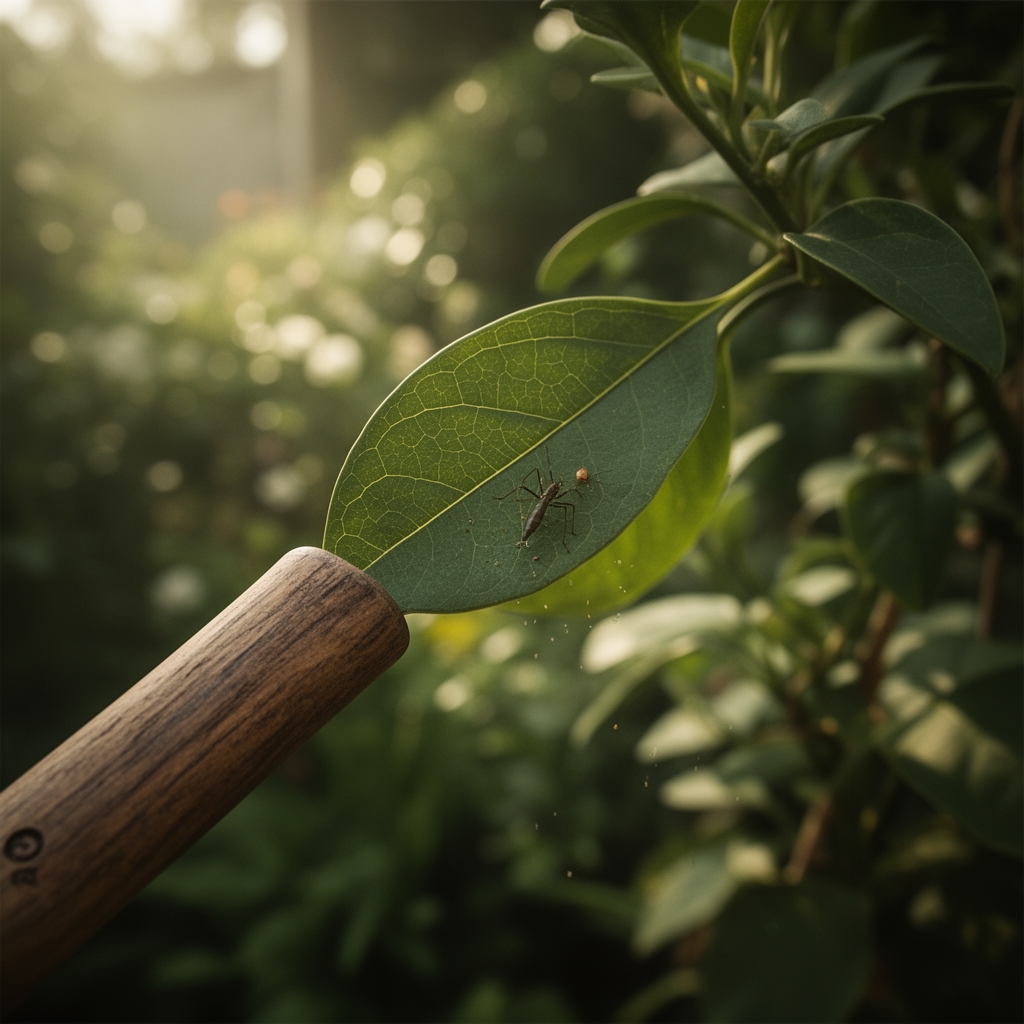
Indoor plants thrive in filtered sunlight until a hidden threat arrives: sap-sucking insects that drain chlorophyll and vigor from leaf veins. Using a systemic insecticide for indoor plants offers a precise method to protect collections without repeated foliar sprays. The active ingredient travels through xylem and phloem tissues, turning the entire vascular system into a defense network that eliminates aphids, mealybugs, scale, and whiteflies from within.
Materials
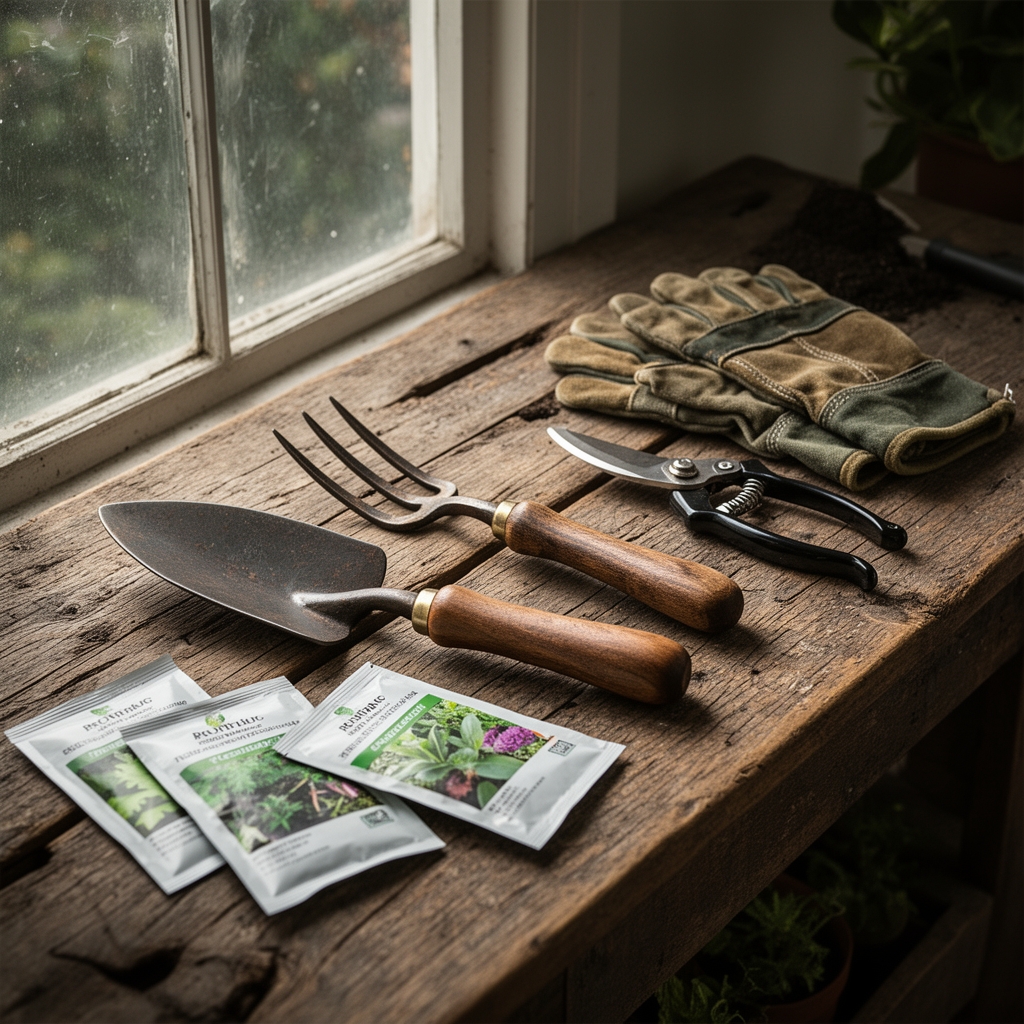
Successful application begins with inventory. Acquire imidacloprid or dinotefuran granules at 0.22% to 1.47% active ingredient concentration. Choose a formulation labeled for ornamental container plants. Collect measuring spoons calibrated in grams, disposable nitrile gloves rated for pesticide handling, and a watering can with a narrow spout. Prepare a pH meter to verify substrate acidity between 6.0 and 6.8, the range where systemic compounds achieve optimal root uptake. Use a balanced slow-release fertilizer such as 14-14-14 or an organic 4-4-4 feather meal blend to support post-treatment recovery. Keep activated charcoal on hand as an adsorbent in case of accidental over-application. A moisture meter prevents waterlogging, which inhibits translocation of the active ingredient through vascular tissues.
Timing
Indoor environments eliminate hardiness zones from the equation, but circadian and seasonal rhythms remain. Apply systemic insecticides during active growth phases: mid-March through September in temperate regions, when auxin distribution and transpiration rates peak. Avoid application during dormancy, typically November through February for tropical species kept indoors. Temperature stability between 65 and 75 degrees Fahrenheit maximizes xylem sap flow. Schedule treatments when plants show visible pest pressure but before population explosions. Reapply every 60 to 90 days as residual efficacy declines. Never treat newly potted specimens until root systems establish for at least three weeks. Substrate microbiome must stabilize before introducing synthetic compounds that may alter cation exchange capacity.
Phases
Inspection and Dosage

Examine leaf undersides with a 10x hand lens to confirm pest identity. Count individuals per square inch to determine infestation severity. Measure pot diameter in inches, then calculate substrate volume. Granular formulations require 1 teaspoon per 4-inch pot diameter, increasing proportionally. Scratch granules into the top half-inch of growing medium using a small cultivator. Avoid contact with stem tissue to prevent phytotoxic burns.
Pro-Tip: Introduce Trichoderma harzianum fungal inoculum two weeks before application to colonize root zones and metabolize excess residues through enzymatic breakdown.
Watering and Activation
Irrigate immediately after granule incorporation. Apply 8 ounces of water per 6-inch pot to dissolve active ingredients and move them into the root absorption zone. Water must drain freely through bottom holes within 90 seconds. Standing moisture creates anaerobic pockets where imidacloprid degrades into inactive metabolites. Maintain substrate moisture at 40% to 60% volumetric water content for the following seven days. This window allows uninterrupted acropetal movement through xylem vessels to apical meristems and mature foliage.
Pro-Tip: Add 0.5 milliliters of non-ionic surfactant per liter of irrigation water to improve cellular penetration through Casparian strips in endodermal cells.
Monitoring and Documentation
Mark treatment dates on container rims with permanent marker. Record pest species, application rate, and product lot number in a cultivation journal. Inspect plants every 72 hours for mortality indicators: aphid mummies, scale shell separation, or whitefly nymph desiccation. Full efficacy appears within 10 to 14 days as the compound saturates leaf lamina. Photograph symptomatic leaves before and after treatment to track recovery. Measure new growth in millimeters per week to confirm resumed vigor.
Pro-Tip: Use sticky yellow cards hung at canopy level to quantify adult insect capture rates and validate systemic protection in upper foliage.
Troubleshooting
Symptom: Marginal leaf necrosis within 48 hours of treatment.
Solution: Excess concentration or direct granule contact with roots. Flush substrate with three times the pot volume using dechlorinated water. Leach residual salts and mobile pesticide.
Symptom: Persistent aphid colonies after 21 days.
Solution: Target species exhibits metabolic resistance. Rotate to spirotetramat or cyantraniliprole with alternative modes of action affecting lipid synthesis or ryanodine receptors.
Symptom: Wilting despite adequate moisture.
Solution: Root damage from overwatering during activation phase. Reduce irrigation frequency to once per five days. Apply mycorrhizal fungi to regenerate absorptive root hairs.
Symptom: Yellowing lower leaves post-treatment.
Solution: Nitrogen lockout from pH drift. Test substrate; amend with sulfur if above 7.2 or dolomitic lime if below 5.8.
Symptom: White crystalline deposits on soil surface.
Solution: Fertilizer salt accumulation unrelated to insecticide. Top-dress with 0.5 inches of fresh potting mix to encapsulate salts.
Maintenance
Water when the top inch of substrate feels dry to touch. Provide 200 to 400 foot-candles of indirect light for foliage species. Fertilize every 14 days with half-strength liquid fertilizer at 10-10-10 ratio during growth periods. Prune infested tissues at 45-degree angles to reduce pest reservoirs. Quarantine new acquisitions for 21 days before introducing them to established collections. Wipe leaves monthly with damp microfiber cloths to remove honeydew residues that attract secondary fungal infections. Maintain indoor relative humidity between 40% and 60% to prevent stress-induced susceptibility.
FAQ
How long does systemic protection last?
Active ingredient residues persist in vascular tissues for 60 to 90 days depending on plant metabolism rate and watering frequency.
Can I use systemic insecticides on edibles?
No. Imidacloprid and related neonicotinoids remain in fruit and foliage. Reserve these compounds strictly for ornamental specimens.
Will beneficial insects die if they contact treated plants?
Yes. Systemic compounds affect all sap-feeders, including parasitic wasps and predatory midge larvae. Avoid use in biological control programs.
What if my pet chews treated leaves?
Contact a veterinarian immediately. Neonicotinoids cause tremors and lethargy in mammals. Bring the product label for reference.
Do systemic insecticides harm mycorrhizal networks?
Studies show minimal impact at label rates. Arbuscular mycorrhizae tolerate imidacloprid concentrations below 2 milligrams per kilogram of substrate.