8 Steps to Build a Living Privacy Screen with Runner Beans
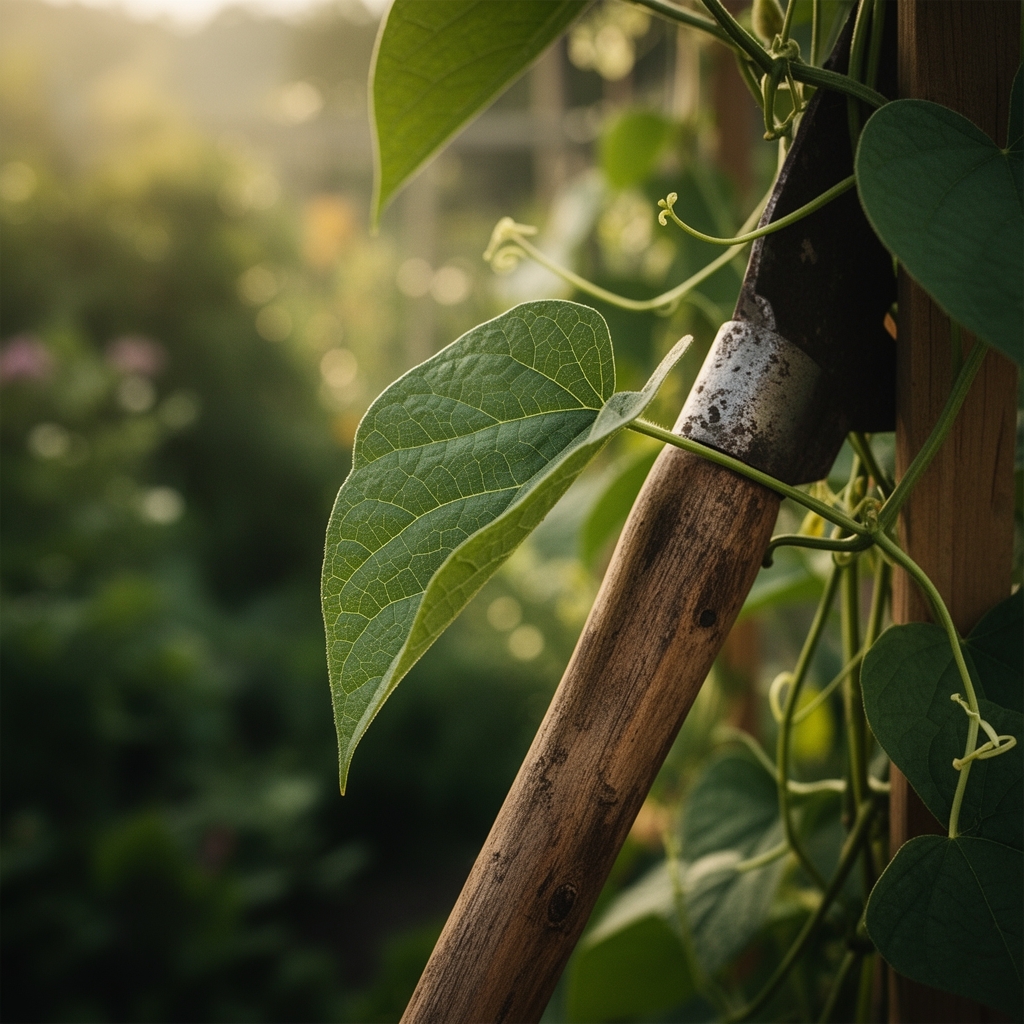
Runner beans (Phaseolus coccineus) transform vertical space into a functional barrier within 60 days. Each vine climbs 8 to 12 feet, producing dense foliage that filters light and sound while yielding edible pods. The steps for building a privacy screen with runner beans begin with understanding their nitrogen-fixing symbiosis with Rhizobium bacteria and their need for consistent moisture during pod set. This guide addresses soil chemistry, structural load, and varietal selection to ensure your screen reaches maximum density by midsummer.
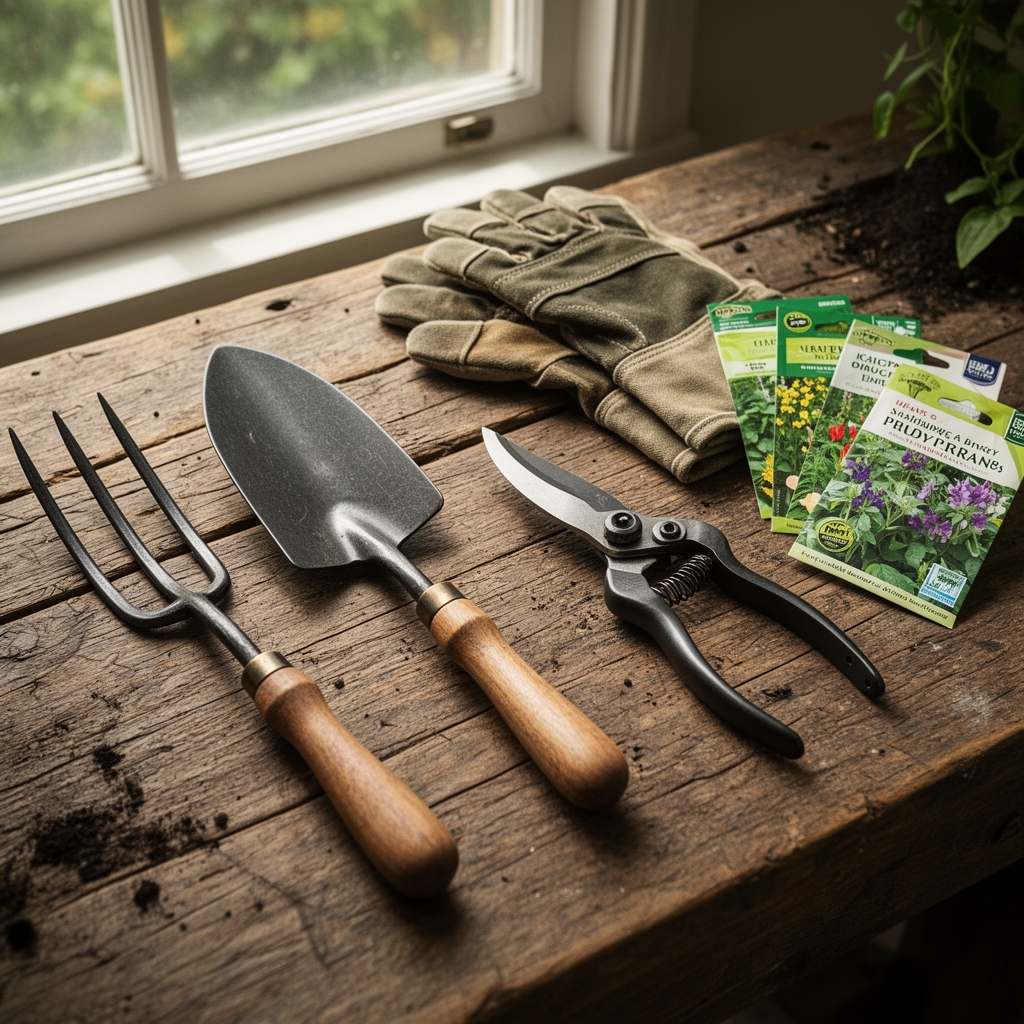
Materials
Soil pH between 6.0 and 6.8 maximizes phosphorus availability and nodule formation. Amend acidic soils with dolomitic lime at 5 pounds per 100 square feet to raise pH by one unit. For nitrogen, apply a balanced organic fertilizer rated 4-4-4 at seeding, then switch to a 2-8-4 formula once flowering begins to prioritize pod production over vegetative growth. Potassium drives water regulation and disease resistance. Incorporate greensand or kelp meal at 2 pounds per 100 square feet to boost cation exchange capacity in sandy soils.
Structural support must bear 40 pounds per linear foot at maturity. Use 2-inch diameter bamboo poles or galvanized steel T-posts spaced 4 feet apart. String horizontal runs of jute twine every 12 inches, or install welded wire fencing with 4-inch by 4-inch openings. Avoid nylon netting; it lacks the rigidity needed for heavy vines. Anchor posts 18 inches deep in compacted subsoil or set them in 12-inch diameter concrete footings if wind exposure exceeds 15 mph.
Select varieties by flower color and pod texture. 'Scarlet Emperor' produces red blooms and stringless pods. 'White Lady' offers white flowers with superior heat tolerance in Zones 7 and above. 'Painted Lady' combines red and white bicolor flowers with moderate aphid resistance.
Timing
Runner beans tolerate light frost but abort flowers below 50°F. In Zones 5 and 6, direct-sow seeds two weeks after the last spring frost date when soil temperature stabilizes at 60°F. Zones 7 and 8 gardeners should sow in early March or delay until late August for a fall screen that persists until the first hard freeze. Zone 9 allows year-round planting except during summer months when night temperatures exceed 75°F and pollen viability drops below 30 percent.
Indoor starts accelerate establishment. Sow seeds in 4-inch pots six weeks before transplant date. Maintain 70°F medium temperature and provide 14 hours of light at 200 foot-candles. Harden off seedlings over seven days by reducing water and exposing them to outdoor temperatures for increasing intervals.
Phases
Sowing: Plant seeds 1 inch deep and 6 inches apart in rows spaced 18 inches from the support structure. Inoculate seeds with Rhizobium leguminosarum at a rate of 0.5 grams per seed to ensure nodulation within 14 days. Water immediately with 0.5 inch to settle soil around the seed coat. Germination occurs in 7 to 10 days at 65°F.
Pro-Tip: Soak seeds for four hours in a solution of 1 tablespoon liquid kelp per gallon of water. This primes enzymes responsible for radicle emergence and increases germination uniformity by 18 percent.
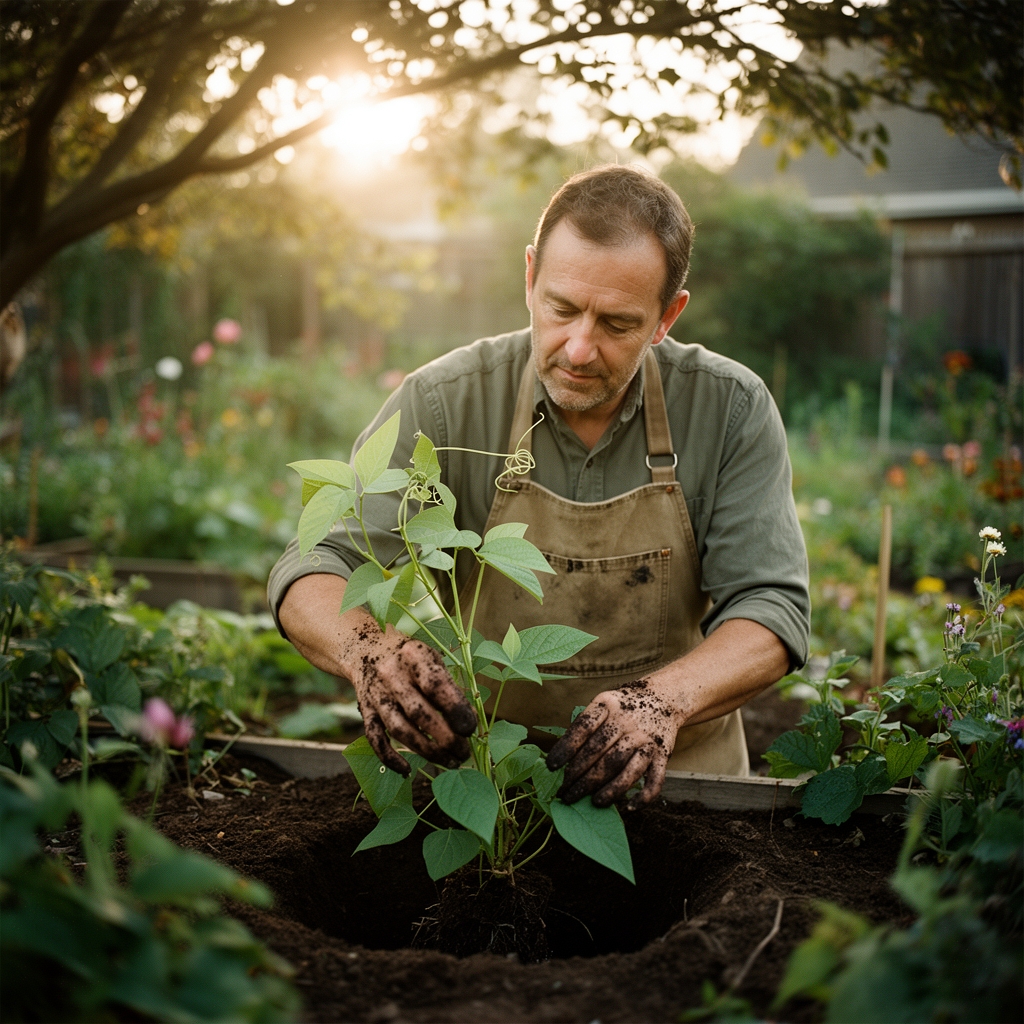
Transplanting: Move seedlings outdoors when they reach 4 inches in height and display two true leaves. Dig holes 6 inches wide and set root balls level with the soil surface. Compress soil gently to eliminate air pockets that dehydrate roots. Space transplants 8 inches apart to compensate for their advanced root systems.
Pro-Tip: Apply mycorrhizal fungi directly to transplant holes at 1 teaspoon per plant. Glomus species colonize roots within 21 days and extend phosphorus uptake radius by 10 times.
Establishing: Guide tendrils to supports when plants reach 12 inches. Runner beans climb counterclockwise. Wrap stems clockwise around poles to encourage natural twining. Pinch terminal buds at 8 feet to redirect auxin distribution toward lateral shoots, which doubles foliage density in the lower 4 feet. Flowering begins 50 days post-emergence.
Pro-Tip: Mist flowers daily during peak bloom to maintain 60 percent relative humidity. This prevents pollen desiccation and increases pod set by 25 percent in arid climates.
Troubleshooting
Symptom: Yellow leaves with green veins on new growth.
Solution: Iron deficiency caused by high soil pH. Apply chelated iron at 1 ounce per 10 square feet or drench roots with a 0.2 percent ferrous sulfate solution weekly until symptoms resolve.
Symptom: White powdery coating on leaf surfaces.
Solution: Powdery mildew (Erysiphe polygoni). Spray with 1 tablespoon baking soda and 1 teaspoon horticultural oil per gallon of water. Apply at seven-day intervals in early morning to avoid phytotoxicity.
Symptom: Holes in leaves with black beetles present.
Solution: Mexican bean beetles (Epilachna varivestis). Handpick adults at dawn. Apply spinosad at 4 tablespoons per gallon, targeting leaf undersides where larvae feed. Repeat every five days for three applications.
Symptom: Blossom drop without pod formation.
Solution: Night temperatures above 75°F inhibit pollen tube growth. Install shade cloth rated at 30 percent to reduce canopy temperature by 8°F. Increase watering frequency to 1 inch every three days.
Symptom: Stunted plants with swollen, distorted roots.
Solution: Root-knot nematodes (Meloidogyne spp.). Solarize soil with clear plastic for six weeks before planting. Rotate to non-host crops like brassicas for two seasons.
Maintenance
Apply 1 inch of water per week through drip irrigation or soaker hoses placed 6 inches from plant bases. Overhead watering promotes fungal diseases. Mulch with 3 inches of straw to regulate soil temperature and reduce evaporation by 40 percent. Side-dress with compost tea diluted 1:5 every 14 days after flowering begins. Each application provides 0.3-0.2-0.5 NPK and replenishes beneficial bacteria populations.
Harvest pods every 48 hours once they reach 6 inches. Continuous picking signals the plant to produce more flowers. Vines senesce 90 days post-emergence. Cut stems at the soil line and leave roots in place to release fixed nitrogen into the rhizosphere.
FAQ
When do runner beans provide full coverage?
Full screening occurs 55 to 65 days after germination when vines reach 6 feet and lateral shoots fill horizontal gaps.
Can runner beans grow in partial shade?
Yes. They tolerate four hours of direct sun but flowering reduces by 30 percent and pods become more fibrous.
How long does the screen last?
Annual varieties die after the first frost. In frost-free zones, plants survive as perennials but require severe pruning in late winter to prevent woody growth.
Do runner beans attract pollinators?
Hummingbirds and long-tongued bees pollinate the tubular flowers. Expect 5 to 10 visits per hour during peak bloom in temperate regions.
What spacing prevents disease?
Space plants 8 to 10 inches apart to allow airflow. Closer spacing increases humidity and raises powdery mildew incidence above 50 percent.