8 Steps to Prepare a Garden for a Secret Entrance
Learning how to prepare a garden for a secret entrance begins with understanding concealment, not just aesthetics. The goal is to design plant masses and pathways that naturally obscure sightlines while maintaining year-round interest. A secret entrance demands strategic layering: tall evergreens form the backdrop, mid-height perennials create the secondary screen, and low groundcovers soften the transition. The plants must perform structurally, never wilting or gapping at critical moments when privacy matters most.
Materials
Soil amendments begin with a test targeting pH 6.0-6.8 for broadleaf evergreens. Apply dolomitic limestone at 5 pounds per 100 square feet if pH falls below 5.8. For nitrogen-heavy feeders like arborvitae, use a 10-6-4 slow-release granular fertilizer at spring bud break. Rhododendrons and azaleas require acidic amendments: incorporate sulfur at 1 pound per 100 square feet to drop pH by 0.5 units.
Organic matter drives cation exchange capacity. Aged compost at 2 cubic yards per 100 square feet increases water retention by 18 percent. Coir-based mulch resists compaction better than shredded bark. For mycorrhizal colonization, inoculate root zones with Glomus intraradices spores at transplant.
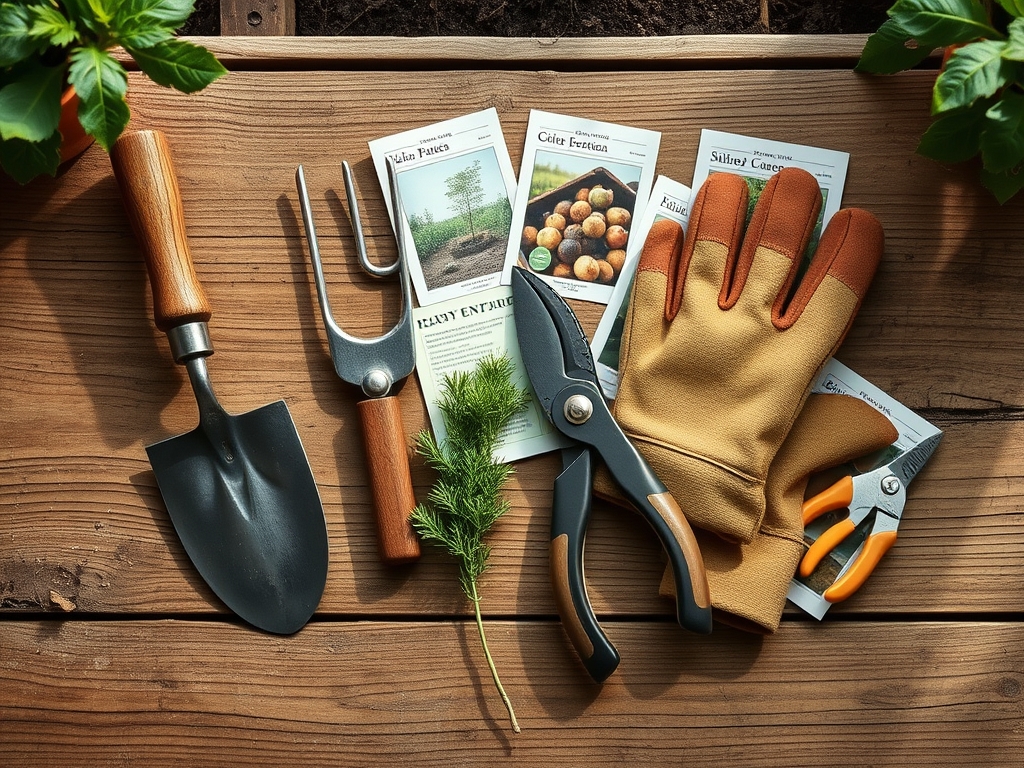
Hardscape materials include crushed granite for pathways (3-inch base layer) and natural stone steppers spaced 18 inches on center. Use galvanized steel edging to contain aggressive spreaders like Pachysandra terminalis. Landscape fabric rated at 3.0 ounces per square yard prevents weed emergence without suffocating roots.
Timing
Hardiness Zones 5-7 allow fall planting from September 15 to October 31, giving roots eight weeks to establish before hard freeze. Spring installation runs from last frost (April 10-May 1) through June 15. Zone 8 gardeners plant November through February, avoiding summer heat stress.
Evergreen installations succeed when soil temperature reaches 50°F at 6-inch depth. Use a soil thermometer daily for one week to confirm stability. Perennials transplant best when daytime air temperature holds between 55°F and 70°F. Groundcovers spread fastest when planted six weeks before first expected frost, allowing runners to anchor before winter.
Phases

Sowing and Site Preparation
Clear the 12-foot radius around the entrance point. Remove turf with a sod cutter set to 2-inch depth. Rototill to 8 inches, breaking clods smaller than 2 inches. Grade away from structures at 2 percent slope (2 feet of drop per 100 feet).
Mark sightlines from three approach angles. Stand at each viewpoint and flag the cone of visibility. Plant tall screens (8-12 feet mature height) along these vectors first. Space evergreens at 60 percent of mature width for full closure in five years.
Pro-Tip: Mix species with staggered bloom or needle-drop cycles. Combine Thuja occidentalis with Ilex crenata to avoid simultaneous winter browning.
Transplanting and Installation
Dig holes twice the root ball width, matching depth exactly. Roughen sidewalls with a garden fork to prevent glazing in clay soils. Position plants so the root flare sits 1 inch above finished grade to account for settling.
Backfill with native soil, tamping every 4 inches to eliminate air pockets. Build a 4-inch tall soil berm in a 3-foot diameter ring to capture irrigation. Water with 3 gallons per plant immediately after installation.
Pro-Tip: Prune competing leaders at 45-degree angles to encourage lateral branching. Remove only damaged tissue in year one to minimize transplant shock.
Establishing Density
Underplant evergreen bases with shade-tolerant groundcovers. Vinca minor spreads at 12 inches per year in partial shade. Epimedium forms dense mats within 24 months when planted at 12-inch centers.
Apply 3 inches of shredded hardwood mulch, keeping material 6 inches away from stems to prevent collar rot. Mulch decomposes at 1 inch per year, requiring annual top-dressing.
Pro-Tip: Introduce Armillaria-resistant cultivars like Juniperus virginiana 'Taylor' in disease-prone areas. Avoid monocultures; mix five species minimum to limit pathogen spread.
Troubleshooting
Symptom: Needle browning on inner branches of arborvitae.
Solution: Normal senescence. Inner needles shed after 3-6 years. Increase spacing to improve air circulation if browning exceeds 30 percent of foliage.
Symptom: Yellowing leaves with green veins (interveinal chlorosis).
Solution: Iron deficiency in alkaline soils. Apply chelated iron (Fe-EDDHA) at 1 ounce per plant, watered to 6-inch depth. Retest pH.
Symptom: Wilting despite moist soil.
Solution: Phytophthora root rot. Remove affected plants. Improve drainage with 4-inch gravel layer. Replant with resistant species like Chamaecyparis.
Symptom: White cottony masses on stems.
Solution: Mealybug infestation. Spray horticultural oil at 2 percent concentration during dormancy. Repeat at 14-day intervals for three applications.
Maintenance
Water established plants with 1 inch per week during active growth (April-September). Measure with rain gauges; adjust irrigation accordingly. Reduce to 0.5 inches per week in dormancy.
Prune evergreens once annually in late winter before bud swell. Remove no more than 20 percent of green growth. Sterilize shears with 10 percent bleach solution between cuts.
Fertilize perennials with 5-10-5 granular formula at 2 pounds per 100 square feet in early spring. Avoid high-nitrogen feeds after July 15 to prevent tender growth before frost.
FAQ
How long until full concealment?
Evergreens planted at 5-foot spacing close gaps in 36-48 months. Faster results require 3-foot spacing or purchasing 6-foot specimens.
Best plants for year-round screening?
Taxus x media, Ilex x meserveae, and Thuja 'Green Giant' maintain foliage density through -20°F winters.
Can I use deciduous shrubs?
Deciduous species lose 100 percent effectiveness November-April in northern zones. Layer with evergreens for winter coverage.
Minimum soil depth required?
Eighteen inches for groundcovers, 36 inches for large evergreens. Test with a tile probe before purchasing plants.
How to hide entrance in small spaces?
Vertical elements work best. Install a trellis with Hedera helix at 12-inch centers. Mature coverage in 18 months.