9 Best Tall Plants for Natural Garden Privacy Screening
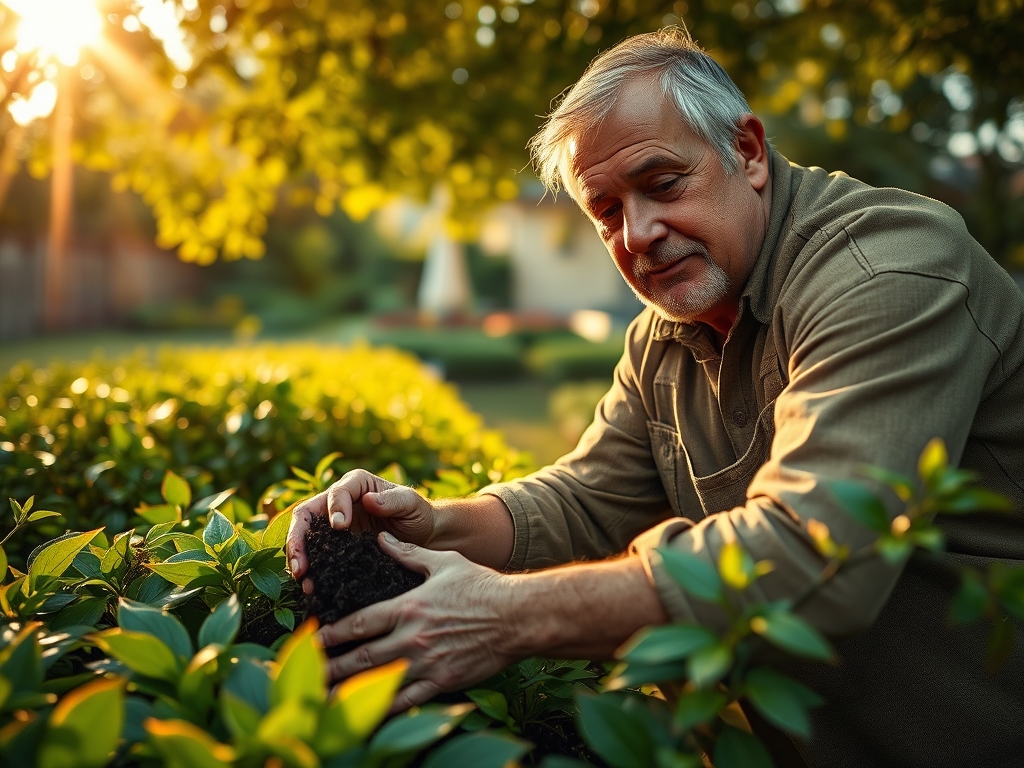
The smell of damp, anaerobic mud transitioning into aerobic, friable earth signals a successful site preparation for high-density planting. When a leaf maintains high turgor pressure, its cells are fully hydrated and the plant stands rigid against the wind. This structural integrity is the foundation for the best plants for garden screening. Effective screening requires more than just height; it demands a dense canopy and a robust root system capable of sequestering carbon and managing water runoff. Selecting the right species involves calculating the mature width of the foliage to ensure a continuous visual barrier without overcrowding the rhizosphere. A successful screen acts as a biological wall that filters particulate matter and dampens acoustic vibrations. By prioritizing physiological health over rapid, leggy growth, a gardener creates a permanent boundary that thrives across seasons.
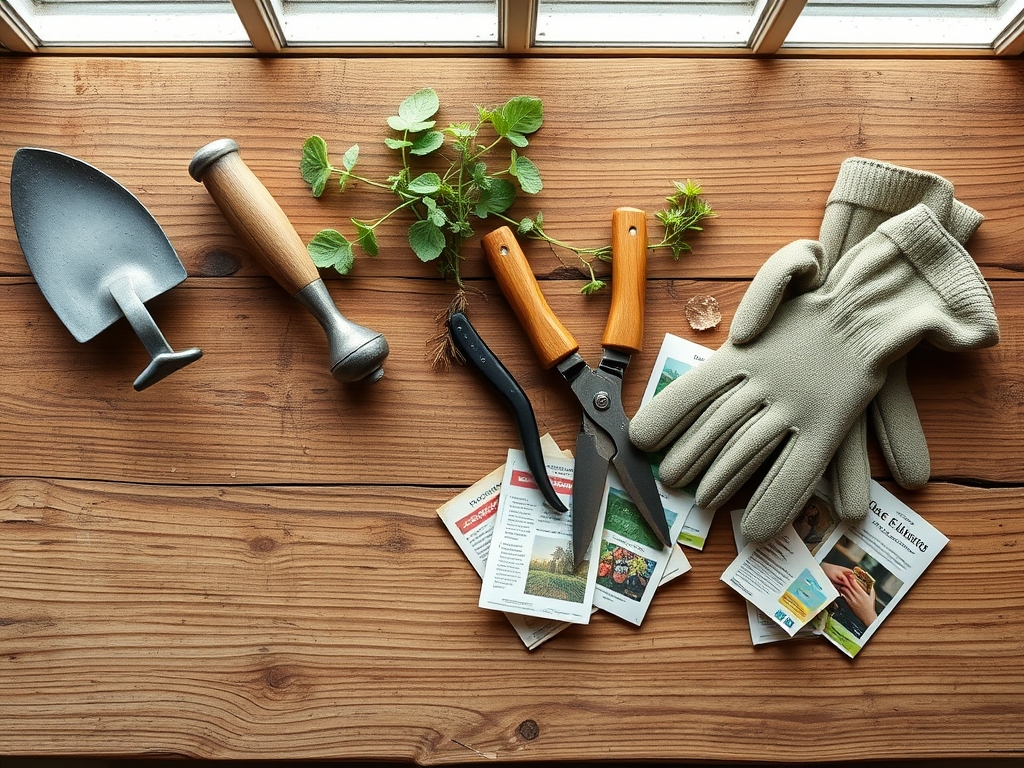
Materials:
The success of a privacy screen depends on the Cation Exchange Capacity (CEC) of the soil. High CEC indicates the soil can hold essential nutrients like potassium and magnesium against leaching. For most screening species, aim for a pH between 6.0 and 7.0.
- Thuja occidentalis (American Arborvitae): Requires a 10-10-10 NPK ratio during the spring flush. Prefers moist, well-drained loams.
- Fargesia robusta (Clumping Bamboo): High nitrogen requirements; use a 21-5-6 NPK slow-release formula. Soil must be rich in organic matter with a gritty texture to prevent root rot.
- Prunus laurocerasus (Cherry Laurel): Thrives in slightly acidic soil (pH 5.5 to 6.5). Requires a balanced 14-14-14 NPK application in early spring.
- Taxus x media (Hicks Yew): Needs excellent drainage; heavy clay will cause needle drop. Use a 5-10-5 NPK to encourage root development over excessive top growth.
- Cupressocyparis leylandii (Leyland Cypress): Tolerant of various soils but requires a 10-8-6 NPK to maintain deep green pigmentation.
- Ilex x nellie r. stevens (Nellie Stevens Holly): Acid-loving; apply elemental sulfur if pH exceeds 7.0. Use a 12-4-8 NPK ratio.
- Buxus sempervirens (English Boxwood): Prefers a pH of 6.5 to 7.2. Use a 10-10-10 NPK broadcasted at the drip line.
- Ligustrum japonicum (Japanese Privet): Highly adaptable; requires a 15-5-10 NPK to support rapid leaf production.
- Juniperus virginiana (Eastern Red Cedar): Thrives in poor, rocky soils with a pH up to 8.0. Minimal fertilization needed; a 5-5-5 NPK is sufficient.
Timing:
Hardiness zones dictate the survival threshold of your screen. Most evergreen screens thrive in USDA Zones 5 through 9. Planting should occur when the soil temperature reaches a consistent 50 degrees Fahrenheit. This temperature triggers root respiration before the metabolic demands of spring bud break.
The biological clock of these plants moves from a vegetative stage (foliar expansion) to a reproductive stage (cone or flower production). For screening, we prioritize the vegetative stage. Planting in late autumn allows the specimen to establish a root system without the stress of high evapotranspiration rates. In northern climates, the window closes four weeks before the first hard frost. In southern climates, planting can occur throughout the winter dormancy period.
Phases:
Sowing and Seedling Preparation
While many screens are purchased as container-grown stock, starting from seed requires stratification. For species like Juniperus, seeds must undergo a cold period of 60 to 90 days at 35 degrees Fahrenheit to break embryo dormancy.
Pro-Tip: Mycorrhizal symbiosis is critical at this stage. Inoculating the growing medium with beneficial fungi increases the surface area of the root system by up to 100 times, allowing for better phosphorus uptake.
Transplanting
Dig a hole twice as wide as the root ball but no deeper. The root flare must remain visible at the soil surface to prevent trunk rot. Backfill with native soil rather than pure compost to avoid creating a "bathtub effect" where water collects in the hole.
Pro-Tip: Avoid "J-rooting" during transplanting. If roots are circling the pot, use a hori-hori knife to make vertical cuts. This disrupts the circular growth pattern and encourages lateral root branching into the surrounding soil matrix.
Establishing
During the first 18 to 24 months, the plant allocates energy to structural root development. Maintain consistent soil moisture. A three-inch layer of arborist wood chips helps regulate soil temperature and suppress weed competition.
Pro-Tip: Auxin suppression is key for density. By pruning the terminal buds (the tips of the branches), you reduce the concentration of the hormone auxin. This triggers lateral bud break, resulting in a thicker, more opaque screen through a process called apical dominance disruption.
The Clinic:
Physiological disorders often mimic disease but are usually environmental.
- Symptom: Interveinal chlorosis (yellowing between leaf veins).
Solution: This indicates a Manganese or Iron deficiency, often caused by high soil pH. Apply chelated iron or lower the pH with aluminum sulfate. - Symptom: Needle browning from the inside out.
Solution: This is often normal senescence (aging), but if excessive, it indicates poor air circulation. Thin the interior branches with bypass pruners to increase gas exchange. - Symptom: Marginal leaf burn (brown edges).
Solution: This is a sign of salt accumulation or desiccation. Flush the soil with 3 inches of water to leach salts and apply an antidesiccant spray in winter.
Fix-It: Nitrogen Chlorosis
If the entire plant appears pale green or yellow, it lacks nitrogen. Apply a fast-acting ammonium nitrate fertilizer at a rate of 1 pound of actual nitrogen per 1,000 square feet. Follow immediately with irrigation to move the nitrogen into the rhizosphere.
Maintenance:
Precision maintenance ensures the longevity of the screen. Provide 1.5 inches of water per week delivered at the drip line rather than the trunk. Use a soil moisture meter to verify that moisture has reached a depth of 8 inches.
Pruning should occur in late winter while the plant is dormant to minimize sap loss and prevent the attraction of pathogens. Use sharp bypass pruners for branches up to 0.5 inches in diameter and a pruning saw for larger limbs. Always cut at a 45-degree angle just above a node to facilitate rapid callus formation. If using a hedge trimmer, ensure the base of the hedge is wider than the top; this allows sunlight to reach the lower branches, preventing "leggy" growth and foliage loss at the bottom.
The Yield:
For flowering screens like Cherry Laurel or Holly, the "yield" is the aesthetic and ecological value of the berries and blooms. Harvest holly branches in December by cutting at a lateral branch to maintain the plant's shape. To ensure "day-one" freshness for indoor use, immediately submerge the cut ends in 40-degree Fahrenheit water and store in a cool, dark location for 12 hours before arranging. This maximizes turgidity and prevents premature needle or leaf drop.
FAQ:
What is the fastest growing plant for privacy?
Leyland Cypress can grow 3 to 4 feet per year. However, it requires frequent pruning to maintain structural integrity. Ensure the soil is well-drained to prevent Seiridium canker, which thrives in stressed, waterlogged trees.
How far apart should I space screening plants?
Space plants at a distance equal to half of their mature width. For an Arborvitae with a 4-foot spread, space them 2 feet apart on center. This ensures the canopies overlap quickly to form a solid wall.
Can I grow a privacy screen in the shade?
Yes, Taxus (Yew) and Skip Laurel are highly shade-tolerant. They maintain dense foliage even with limited photosynthetic active radiation. Growth will be slower than in full sun, but the density remains sufficient for screening.
How do I stop my screen from getting too tall?
Maintain height through "topping," but only after the plant reaches the desired level. Cut the leading vertical shoot. This redirects energy to the lateral branches, increasing the density of the screen while halting vertical expansion.