9 Easy Ways How to Grow Tansy Flowers
Crushing a mature leaf of Tanacetum vulgare releases a sharp, camphoraceous aroma that signals high concentrations of essential oils within the glandular trichomes. Success in learning how to grow tansy flowers requires understanding this perennial as a vigorous, rhizomatous species capable of dominating a landscape if the soil nitrogen levels are not strictly managed. A healthy specimen exhibits high turgor pressure; its fern-like foliage remains rigid and upright even during the peak of the afternoon sun.
The botanical structure of tansy is built on a foundation of resilience. It thrives in disturbed soils where other ornamental species struggle to maintain cellular stability. When you master how to grow tansy flowers, you are managing a plant that evolved for efficiency. It utilizes a deep taproot system to access minerals from the subsoil while simultaneously spreading via horizontal rhizomes to secure surface territory. This dual-action growth strategy ensures survival across a wide range of environmental stressors. You must approach this plant with the discipline of a scientist; it is not a delicate flower but a robust biological engine that converts sunlight and soil minerals into dense, golden corymbs.
Materials:

Tansy requires a soil pH between 4.8 and 7.5, though it reaches peak physiological performance in a neutral 6.5 to 7.0 range. The substrate must be a friable loam that allows for gas exchange within the rhizosphere. Compacted clay prevents the necessary oxygenation of the root zone; this leads to anaerobic conditions and root rot.
For fertilization, avoid high-nitrogen inputs which lead to weak, leggy growth and reduced essential oil production. Use a low-nitrogen NPK ratio such as 5-10-10. The phosphorus and potassium are critical for root establishment and the eventual development of the flower heads. If your soil has a low Cation Exchange Capacity (CEC), incorporate organic matter to improve the soil's ability to hold and release positively charged ions like calcium (Ca2+), magnesium (Mg2+), and potassium (K+).
Timing:
Tanacetum vulgare is hardy in USDA Zones 3 through 9. The biological clock of the plant is governed by the photoperiod; it requires long days to trigger the transition from the vegetative stage to the reproductive stage. In the spring, wait until the soil temperature reaches a consistent 55 degrees Fahrenheit (13 degrees Celsius) before sowing seeds or transplanting.
The window for spring planting typically opens two to three weeks before the last frost date. Tansy is cold-hardy; young shoots can withstand light frosts without suffering cellular damage. The plant enters its peak flowering phase in mid to late summer, usually from July through September, depending on the latitude. Understanding this timeline is essential for anyone learning how to grow tansy flowers for consistent seasonal performance.
Phases:

Sowing
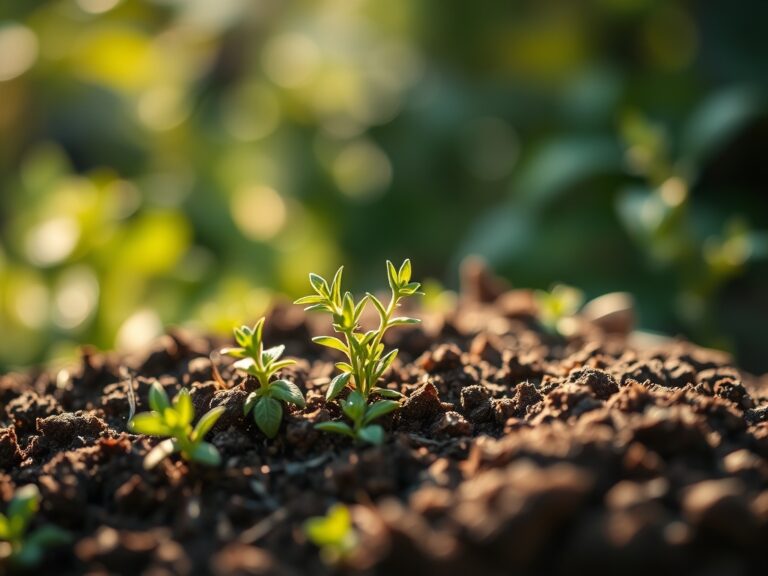
Surface sow the seeds directly onto the prepared loam. Tansy seeds are photoblastic; they require light to break dormancy and initiate germination. Do not bury them more than 1/8 inch deep. Maintain a consistent moisture level without saturating the soil.
Pro-Tip: Light exposure triggers the phytochrome system within the seed. This biological switch signals the embryo to begin the metabolic processes necessary for emergence.
Transplanting
If starting indoors, move seedlings to the field once they have developed two sets of true leaves. Space the plants 18 to 24 inches apart. This spacing ensures adequate airflow, which reduces the risk of fungal pathogens settling on the foliage.
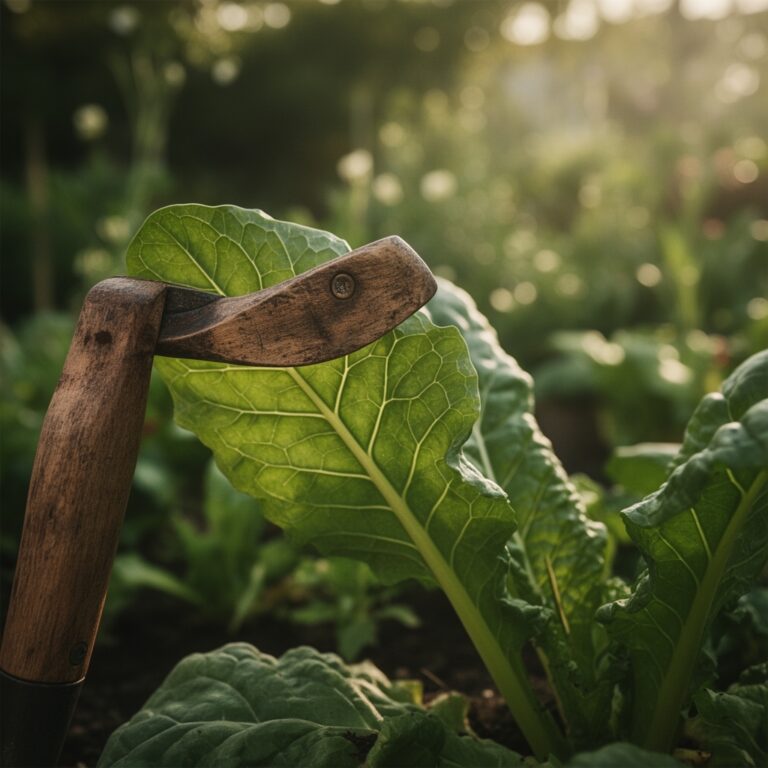
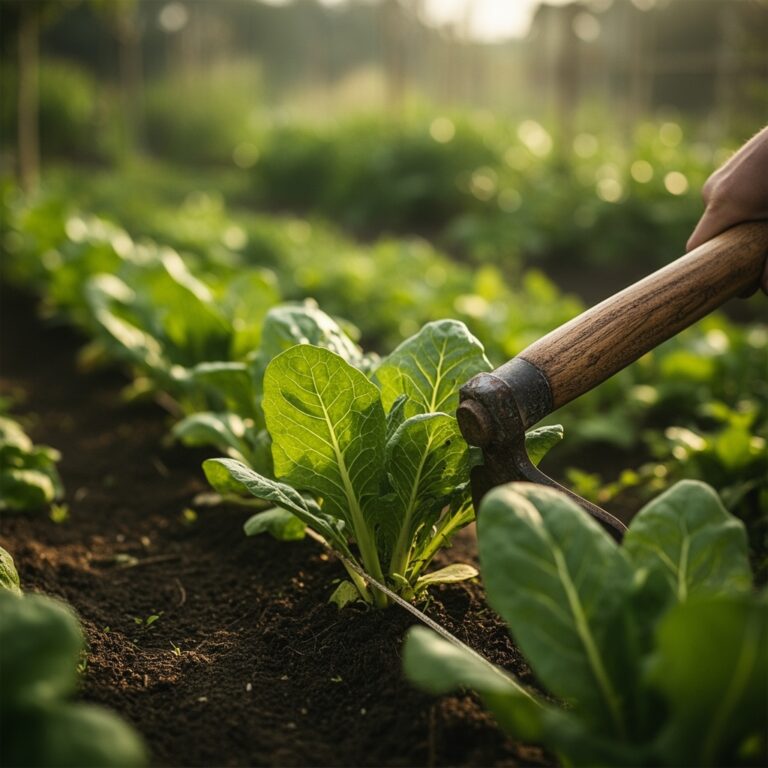
Pro-Tip: Use a hori-hori knife to ensure the transplant hole is deep enough to accommodate the entire root plug without "J-rooting." Proper root orientation prevents future mechanical instability.
Establishing
During the first six weeks, focus on root development. Limit the use of fertilizers to encourage the plant to seek out nutrients naturally. This strengthens the symbiotic relationship with mycorrhizal fungi, which extend the reach of the root system.
Pro-Tip: Auxin suppression occurs when the terminal bud is pinched back. This redirects growth hormones to the lateral buds; it results in a bushier, more structurally sound plant.
The Clinic:
Monitoring the physiological health of your tansy is a daily requirement. Observe the leaves for signs of stress or nutrient imbalance.
Symptom: Interveinal Chlorosis
Yellowing between the leaf veins while the veins remain green indicates a magnesium deficiency.
Solution: Apply a foliar spray of Epsom salts (magnesium sulfate) or amend the soil with dolomitic lime if the pH is too low.
Symptom: Stunted Growth and Purple Foliage
This is a classic sign of phosphorus deficiency, often caused by cold soil temperatures that inhibit nutrient uptake.
Solution: Ensure the soil temperature is above 50 degrees Fahrenheit. Apply a high-phosphorus liquid fertilizer to provide an immediate boost to the root zone.
Symptom: Leaf Curl and Distorted Growth
This often results from high populations of aphids or environmental heat stress.
Solution: Use a soil moisture meter to ensure the plant is not suffering from drought. Increase irrigation to maintain turgor pressure during heat waves.
Fix-It: Nitrogen Chlorosis
If the entire leaf turns a pale yellow, the plant is likely nitrogen-deficient. Apply a balanced 10-10-10 fertilizer at half strength to restore chlorophyll production without over-stimulating vegetative growth.
Maintenance:
Precision is the hallmark of a professional horticulturist. Tansy requires approximately 1.5 inches of water per week, delivered directly to the drip line. Avoid overhead irrigation; wet foliage is a primary vector for powdery mildew. Use a soil moisture meter to verify that the top 2 inches of soil have dried before re-watering.
Control the spread of the plant by using bypass pruners to remove spent flower heads before they set seed. This process, known as deadheading, prevents the plant from diverting energy into seed production and may encourage a second, smaller flush of blooms. If the plant becomes too expansive, use a hori-hori knife to slice through the rhizomes and remove unwanted sections.
The Yield:
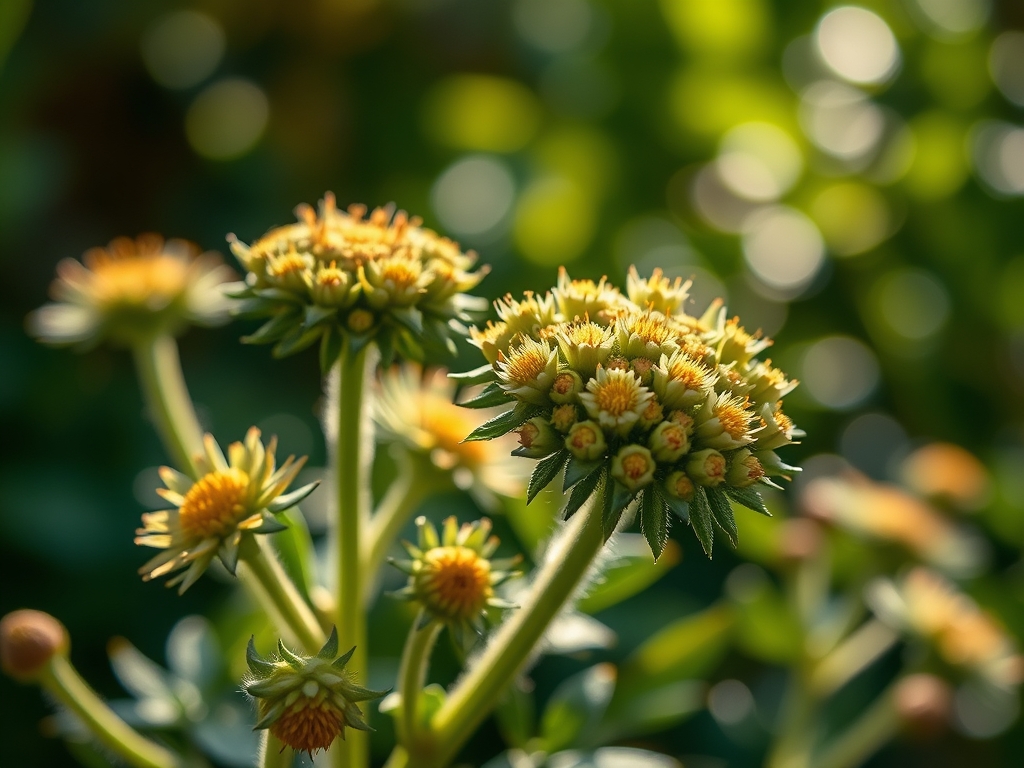
Harvesting tansy requires timing the peak concentration of volatile oils. For floral arrangements, cut the stems when the button-like flowers are fully open but before they begin to turn brown. Use sharp bypass pruners to make a clean cut at a 45-degree angle; this maximizes the surface area for water uptake.
Post-harvest handling is critical for "day-one" freshness. Immediately plunge the cut stems into a bucket of room-temperature water. Store them in a cool, dark location for two hours to allow the plant to re-establish turgor pressure before moving them into a final arrangement. If drying the flowers, hang them upside down in a well-ventilated area away from direct sunlight to preserve the yellow pigment and structural integrity.
FAQ:
How much sun does tansy need?
Tansy requires full sun, meaning at least six to eight hours of direct solar radiation daily. Insufficient light leads to etiolation, where the stems become weak and the plant loses its characteristic upright form.
Is tansy invasive?
In many regions, Tanacetum vulgare is classified as an invasive species due to its aggressive rhizomatous growth and prolific seeding. Always check local agricultural extension guidelines and use root barriers to contain the plant within your designated garden boundaries.
What is the best soil for tansy?
A well-draining, friable loam with a pH of 6.5 is ideal. While tansy can tolerate poor, sandy, or rocky soils, it will not survive in waterlogged, heavy clay conditions where the Cation Exchange Capacity is compromised.
How do I prune tansy?
Cut the plant back to the ground in late autumn after the first hard frost has induced senescence. Use bypass pruners to remove all dead material. This prevents pests from overwintering in the debris and prepares the site for spring emergence.