9 Reasons to Use Specialized Cactus Soil for Healthy Roots
Cacti roots evolved in mineral-poor, fast-draining desert soils where organic matter rarely exceeds 2% by volume. Standard potting mixes hold moisture for days, saturating root tissue and triggering cell wall collapse within 48 hours of anaerobic conditions. Using a specialized cactus soil mix replicates the aggregate structure and cation exchange capacity of native substrates, allowing oxygen to reach lateral roots while preventing the osmotic stress that causes rot.
Materials
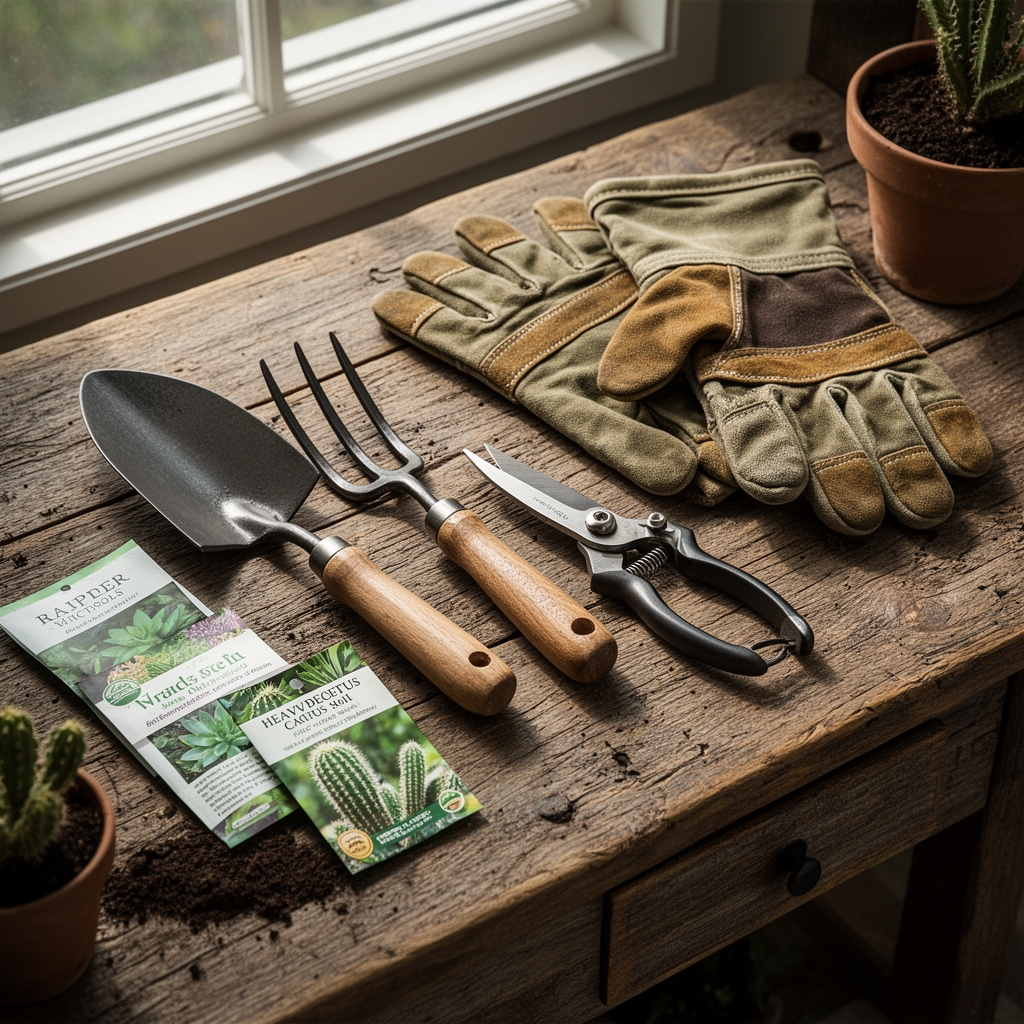
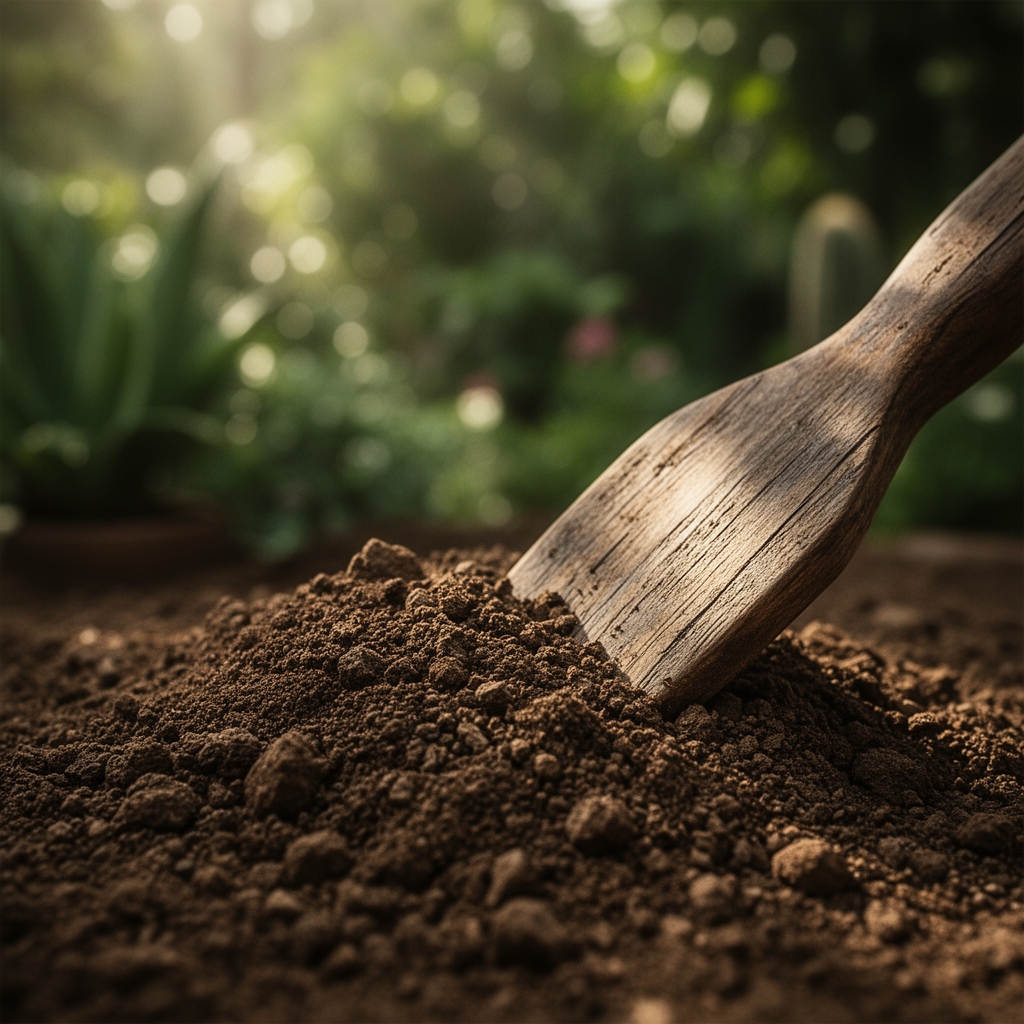
A proper cactus mix requires three functional layers: mineral aggregate, organic matter, and buffering agents.
Mineral Components (70–80% by volume):
- Coarse sand (0.5–2 mm particle size) provides weight and prevents compaction
- Pumice or perlite (3–8 mm) creates air pockets and improves percolation
- Crushed granite or turface maintains structure through multiple wet-dry cycles
Organic Matter (10–20% by volume):
- Aged pine bark (pH 5.5–6.0) supplies lignin without excessive nitrogen
- Coconut coir holds 8–10 times its weight in water yet drains freely
- Worm castings at 5% volume deliver slow-release nutrients with NPK approximating 1-0-0
Buffering Agents:
- Dolomitic lime raises pH to 6.0–7.0, the optimal range for calcium uptake
- Gypsum adds sulfur and improves aggregate stability in clay-heavy mixes
Commercial blends labeled 2-4-4 or 4-4-4 provide balanced nutrition. Organic meals from bone, kelp, and alfalfa release nitrogen over 8–12 weeks. Synthetic time-release granules (14-14-14) work in containers larger than 6 inches but can salt-load smaller pots.
Cation exchange capacity should measure 8–12 meq/100g. Below that threshold, roots cannot buffer nutrient swings. Above 15 meq/100g, the mix retains too much moisture.
Timing
Cacti enter active root growth when soil temperature reaches 65°F for three consecutive days. In USDA Hardiness Zones 9–11, this window opens in late February. Zones 7–8 wait until mid-April. Zones 4–6 should use containers and move plants outdoors only after the last frost date, typically May 15–30.
Repotting occurs during dormancy, November through January, when auxin distribution favors root repair over top growth. Avoid root disturbance from June through September. High temperatures above 90°F suppress cell division in meristematic tissue, and wounds close poorly.
Monsoon species (Ferocactus, Echinocactus) tolerate summer handling in humid climates. High-altitude genera (Pediocactus, Sclerocactus) require winter-cold stratification and should be repotted in September.
Phases

Sowing:
Germination mix should be 50% sand, 40% pumice, and 10% coir. Sterilize all components at 180°F for 30 minutes to eliminate damping-off pathogens. Sow seeds on the surface. Light triggers germination in Mammillaria, Gymnocalycium, and Astrophytum. Press seeds gently into contact with the substrate. Maintain 70–75°F with bottom heat. Mist daily until radicles emerge, usually 7–21 days.
Pro-Tip: Dust seeds with mycorrhizal inoculant (Glomus intraradices) at sowing. Hyphal networks establish before root hairs emerge, improving phosphorus uptake by 40% in sterile media.
Transplanting:
Move seedlings when the root system fills the germination cell, typically 8–12 weeks post-emergence. Use a blend of 30% organic matter and 70% mineral aggregate. Water 24 hours before transplanting to firm the root ball. Lift seedlings by the root mass, never the stem. Plant at the same depth. Roots that curve upward will rot.
Pro-Tip: Prune taproots at a 45-degree angle if they exceed pot depth. A clean cut at that angle stimulates lateral branching within 10 days and prevents circling roots.
Establishing:
Roots colonize new substrate in 4–6 weeks. Withhold water for the first 7 days to force roots outward in search of moisture. Resume irrigation when the pot feels 80% dry by weight. Using a specialized cactus soil mix during this phase prevents root mat formation, where feeder roots concentrate in a 1-inch layer at the old root ball boundary.
Pro-Tip: Top-dress with 0.25 inches of crushed granite. It reflects heat, prevents algae on the soil surface, and discourages fungus gnats.
Troubleshooting
Symptom: Soft, translucent stem base with a sour odor.
Solution: Root rot from Pythium or Phytophthora. Remove the plant. Cut away all brown tissue. Dust the cut with sulfur powder. Let the wound callus for 7 days in open air. Re-root in 100% pumice. Discard the old soil and sterilize the pot with a 10% bleach solution.
Symptom: Yellow lower stem and stunted growth despite adequate light.
Solution: Nitrogen deficiency. Drench with fish emulsion diluted to 1 tablespoon per gallon. Repeat every 14 days during active growth. Confirm soil pH is above 6.0. Acidic conditions lock out nitrogen even when present.
Symptom: Red or purple discoloration on new growth.
Solution: Phosphorus deficiency, common in mixes above pH 7.2. Apply monoammonium phosphate (11-52-0) at 0.5 teaspoons per gallon once. Incorporate sulfur at 1 tablespoon per gallon of mix to lower pH gradually.
Symptom: White cottony masses at areoles or stem joints.
Solution: Mealybugs (Planococcus citri). Dab with 70% isopropyl alcohol on a cotton swab. For heavy infestations, drench soil with imidacloprid at 0.5 ml per liter. Reapply in 14 days. Check roots. Subterranean mealybugs cluster at the root crown.
Maintenance
Water when the pot weighs 40% of its saturated weight. For a 6-inch pot, that means approximately 8–10 days between irrigations in summer, 3–4 weeks in winter. Apply water until it exits the drainage hole. Discard runoff. Never let pots sit in saucers.
Fertilize with a 2-7-7 liquid formula at quarter strength every 30 days from April through September. Cease fertilization in October. Excess nitrogen in dormancy causes soft growth prone to frost damage and fungal infection.
Rotate pots 90 degrees every two weeks. Unilateral light bends stems and suppresses areole development on shaded sides.
FAQ
How deep should cactus soil be?
Match soil depth to root architecture. Columnar cacti need 12–18 inches. Globular species thrive in 6–8 inches. Shallow pans work for clustering types like Mammillaria.
Can I reuse cactus soil?
Yes, if sterilized. Bake at 180°F for 45 minutes. Refresh with 20% new pumice and 1 tablespoon of lime per gallon to restore structure and pH.
What NPK ratio is best?
2-4-4 or 3-7-7 during growth. Low nitrogen prevents lush tissue. Higher phosphorus supports root density and flower bud initiation.
Do cacti need mycorrhizal fungi?
Most benefit from Glomus species. Avoid Rhizoctonia, which parasitizes cactus roots. Inoculate at planting, not during active growth.
How often should I repot?
Every 2–3 years for fast growers, 4–5 years for slow species. Repot when roots occupy 80% of container volume or when drainage slows noticeably.