6 Steps to Clean Mineral Deposits Off Terracotta Pots
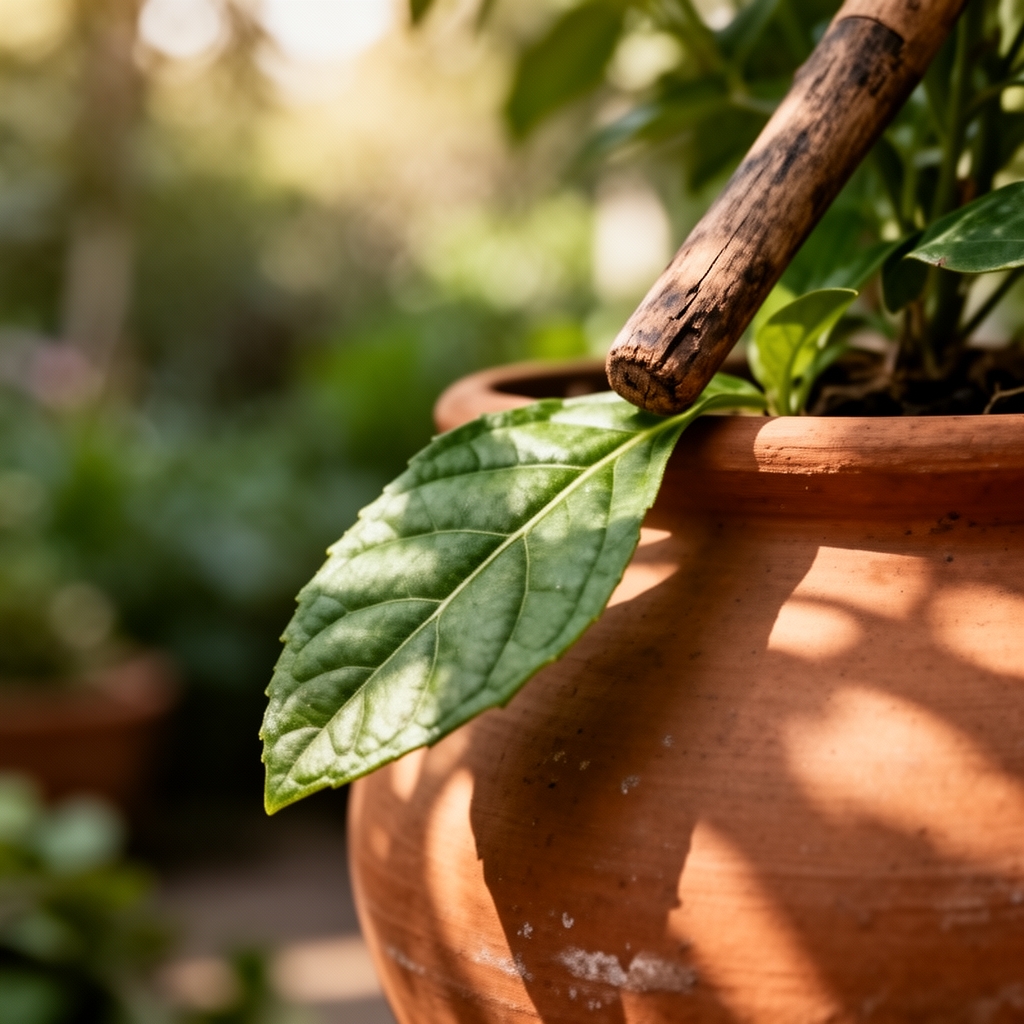
White crusts creep across terracotta surfaces like frost. These mineral deposits form when soluble salts migrate through porous clay and evaporate at the surface, leaving behind calcium carbonate, magnesium sulfate, and sodium chloride crystals. The phenomenon occurs faster in hard-water regions where dissolved mineral content exceeds 120 parts per million. Understanding the steps for cleaning mineral deposits off clay pots protects both the aesthetic value of your containers and the health of root systems, which can suffer osmotic stress when salt concentrations exceed 2,000 parts per million in the soil solution. Terracotta's porosity, measured at 15-20% void space, makes it simultaneously beneficial for root aeration and vulnerable to mineral accumulation.
Materials
Assemble cleaning agents based on the chemical nature of deposits. White vinegar contains 5% acetic acid (pH 2.4) and dissolves calcium carbonate effectively through chelation. Commercial CLR products use lactic acid (pH 2.0-2.5) for aggressive mineral dissolution. For organic approaches, citric acid powder mixed at 2 tablespoons per quart of water provides pH 2.2 when fully dissolved.
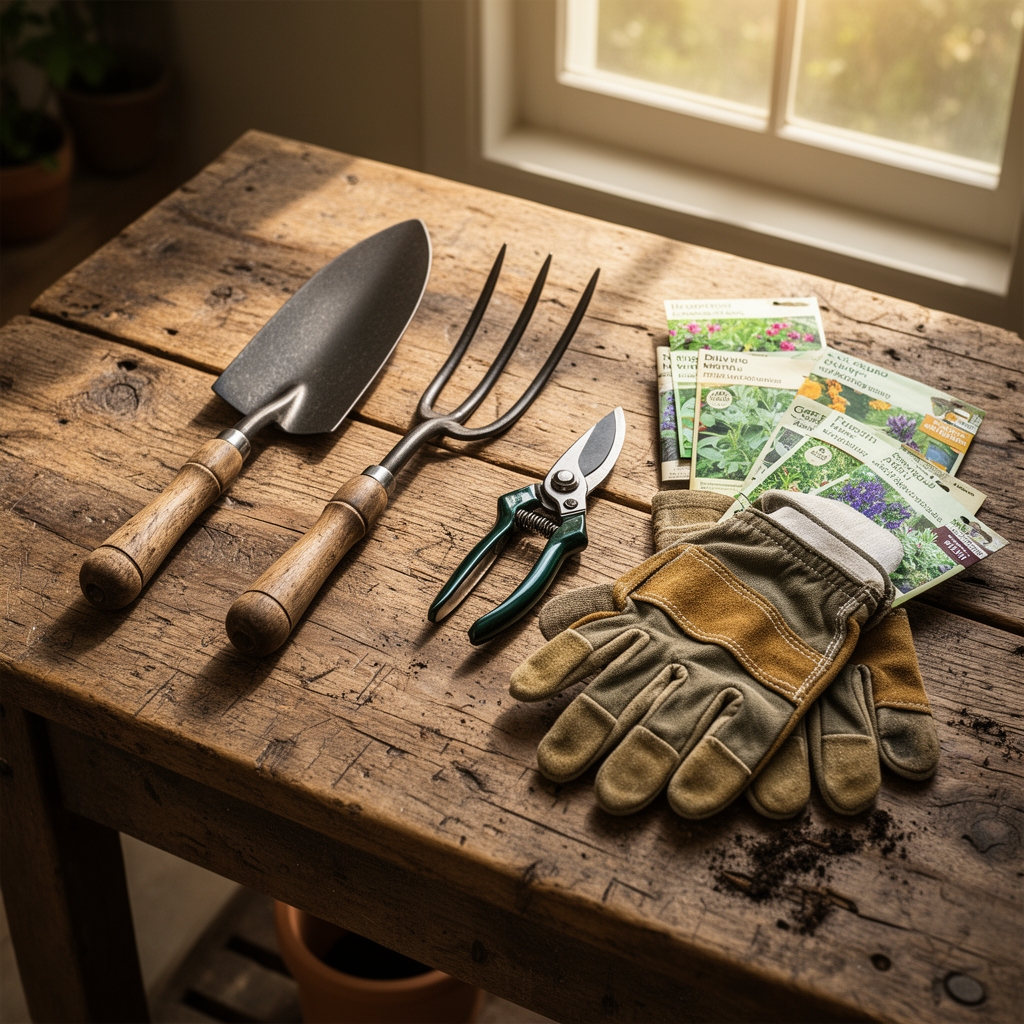
Physical tools include nylon scrub brushes with bristle stiffness rated at 0.008-inch diameter, avoiding wire brushes that score terracotta surfaces and create deeper mineral traps. Plastic putty knives remove thick deposits without gouging. Microfiber cloths absorb dissolved minerals without redistributing them.
Protective equipment matters when handling acidic solutions. Nitrile gloves resist acid penetration better than latex. Safety glasses prevent splash contact with mucous membranes. Work in ventilated areas where air exchanges occur at minimum 4 times per hour to disperse acetic acid vapors.
For post-cleaning treatment, food-grade mineral oil or boiled linseed oil (not raw, which remains tacky) can seal cleaned surfaces. This reduces future mineral migration by 60-70% according to ceramic porosity studies.
Timing
Clean pots during transplanting windows when containers sit empty. In USDA Hardiness Zones 3-6, schedule cleaning between last spring frost (typically May 1-15) and transplant day. This allows 48-72 hours for thorough drying before soil contact.
In Zones 7-9, late winter cleaning (February-March) precedes the spring potting rush. Desert climates in Zones 9-11 benefit from post-monsoon cleaning in October when humidity drops below 30% and evaporation accelerates drying.
Fall cleaning between first frost and storage protects pots during winter. Moisture trapped in uncleaned terracotta expands during freeze-thaw cycles, creating microfractures that reduce pot lifespan by 40%.
Phases

Phase One: Dry Removal
Empty pots completely and brush away loose soil particles. Use the nylon brush to remove flaking mineral deposits without water. This prevents immediate mud formation and allows assessment of deposit thickness. Scrape thick accumulations with the plastic putty knife held at 45-degree angles to the pot surface.
Pro-Tip: Tap the pot's rim gently with a wooden mallet. Vibrations often detach crystallized salt layers that resist brushing alone.
Phase Two: Acid Soak
Submerge the entire pot in white vinegar or citric acid solution in a non-reactive container. Plastic storage bins work well. Soak duration depends on deposit severity: light deposits (less than 1/16 inch thick) require 30 minutes, moderate deposits need 2-4 hours, and heavy encrustations demand overnight submersion up to 12 hours.
During soaking, calcium carbonate reacts with acetic acid to produce calcium acetate, water, and carbon dioxide bubbles. Visible fizzing indicates active dissolution. Rotate pots every 2 hours to ensure even contact with all surfaces.
Pro-Tip: Add 1 tablespoon of salt per gallon of vinegar. This increases solution density and enhances penetration into terracotta micropores through osmotic pressure differential.
Phase Three: Mechanical Scrubbing
Remove pots from acid bath and scrub immediately while deposits remain softened. The nylon brush removes dissolved minerals before they recrystallize during drying. Apply firm pressure in circular motions, working from rim to base. Pay special attention to drainage holes where salts concentrate.
Rinse thoroughly with distilled water or rainwater. Tap water reintroduces the minerals you just removed. Three complete rinses ensure pH returns to neutral (7.0) and residual acids won't affect transplanted roots.
Pro-Tip: For stubborn interior stains, create a paste using baking soda (sodium bicarbonate) and water at 3:1 ratio. This mild abrasive provides mechanical scrubbing action while neutralizing any remaining acid.
Phase Four: Sanitization
Combine cleaning with sterilization to eliminate fungal spores and bacterial colonies. After rinsing, soak pots in a 10% bleach solution (1 part household bleach to 9 parts water) for 10 minutes. This kills 99.9% of plant pathogens including Fusarium, Pythium, and Rhizoctonia species.
Alternatively, bake empty dry pots at 220°F for 30 minutes. This thermal treatment sterilizes without chemical residue but requires oven space and energy.
Phase Five: Drying
Air-dry pots in full sun for 48 hours minimum. Ultraviolet radiation provides additional sterilization while evaporating all moisture from the clay matrix. Terracotta holds moisture in micropores that surface-drying doesn't address. Incompletely dried pots promote anaerobic conditions when refilled with moist soil.
In humid climates above 60% relative humidity, extend drying to 72 hours or use fans to increase air circulation to 200 cubic feet per minute around drying pots.
Phase Six: Sealing (Optional)
Apply mineral oil to the exterior surface using a clean cloth. Use 1 tablespoon per 8-inch pot, rubbing in thin even coats. This fills surface pores and reduces future mineral migration by creating a hydrophobic barrier. Reapply annually. Avoid sealing interiors, which need porosity for root gas exchange.
Troubleshooting
Symptom: Green algae growth appears during or after cleaning.
Solution: Algae thrives in moisture and light. Increase drying time by 24 hours and move pots to shadier locations during the drying phase. Add 1 teaspoon of hydrogen peroxide (3% solution) per gallon of final rinse water to oxidize algae cells.
Symptom: Pot develops white deposits again within 2-3 weeks.
Solution: The problem originates in your water source or fertilizer program. Test irrigation water for total dissolved solids. Above 200 ppm requires switching to rainwater collection or reverse osmosis filtration. Reduce fertilizer concentration by 25% and flush pots monthly with distilled water at 2 times pot volume.
Symptom: Clay surface becomes chalky or flakes after acid treatment.
Solution: Acid concentration was too strong or soak time excessive. This indicates surface degradation of clay particles. Neutralize immediately with baking soda solution (2 tablespoons per quart). For future cleaning, dilute vinegar to 3% concentration (mix 3 parts vinegar to 2 parts water).
Symptom: Deposits return only on south-facing pot sides.
Solution: Directional sun exposure increases evaporation rates on heated surfaces. Rotate pots 180 degrees every two weeks during growing season to equalize mineral distribution. Consider pot placement where structures provide afternoon shade.
Symptom: Roots appear burned after replanting in cleaned pots.
Solution: Residual acid or bleach remained in clay. Increase rinse cycles to five complete submersions in fresh water. Test final rinse water pH with strips. Only replant when pH reads 6.5-7.5.
Maintenance
Prevent heavy buildup through regular practices. Bottom-water pots by placing them in trays for 15-20 minutes rather than overhead watering. This reduces mineral migration to outer surfaces by 50%. Empty drainage trays within 30 minutes to prevent reabsorption.
Fertilize at half-strength (reducing standard NPK concentrations by 50%) but twice as frequently. A 10-10-10 liquid fertilizer diluted to 1 teaspoon per gallon applied biweekly creates less salt accumulation than full-strength monthly applications.
Flush pots with distilled water every 6 weeks. Pour water through until 20% drains from the bottom, carrying excess salts with it. This leaching maintains soil electrical conductivity below 2.0 millisiemens per centimeter, the threshold where most ornamentals show salt stress.
Inspect pots monthly during active growth. Light surface deposits removed with a damp cloth prevent crystallization. This takes 2 minutes per pot versus 2 hours for deep cleaning neglected containers.
Store empty pots upside-down on pallets or shelves. This prevents moisture accumulation in drainage holes where freeze damage concentrates. Cover stored pots with breathable landscape fabric, not plastic, to allow continued air circulation.
FAQ
How often should I deep-clean terracotta pots?
Annual cleaning during repotting schedules suffices for most growers. High-mineral water or heavy fertilization programs require biannual cleaning in spring and fall.
Can I use the same cleaning method for glazed ceramic pots?
No. Glazed surfaces are non-porous and mineral-resistant. Simple soap and water cleaning removes surface deposits. Acid treatments can damage certain glaze formulations.
Will mineral deposits harm my plants?
Moderate deposits affect aesthetics only. When crusts exceed 1/8 inch thickness, they restrict terracotta's gas exchange capacity and can contribute to salt stress through continuous release of dissolved minerals into soil solution.
Is power washing safe for terracotta?
Pressure exceeding 500 PSI erodes clay surfaces and enlarges natural pores. Hand scrubbing with acid pretreatment achieves superior results without structural damage.
Should I seal new pots before first use?
New terracotta benefits from initial soaking in plain water for 2 hours. This saturates the clay and prevents it from wicking moisture away from freshly transplanted roots during the first week. External sealing is optional based on your mineral deposit prevention goals.