6 Robust Benefits of Specialized Houseplant Fertilizer
The smell of damp, oxygenated peat moss and the crisp snap of a leaf with full turgor pressure define the baseline of a healthy indoor ecosystem. Maintaining this state requires more than water and light; it demands a precise chemical balance within the rhizosphere. Using a specialized houseplant fertilizer ensures that the substrate does not become a nutrient desert. Standard garden fertilizers often contain high concentrations of urea or salts that can cause osmotic stress in confined pots. By contrast, a specialized formula provides a controlled release of macronutrients and chelated micronutrients tailored for the limited volume of a container. When the plant absorbs these elements, the cellular walls strengthen, and the rate of photosynthesis stabilizes. This prevents the leggy, etiolated growth often seen in nutrient-starved specimens. A master horticulturist understands that the soil is a living laboratory. Every milliliter of solution added must serve the metabolic needs of the plant, from ATP production to the regulation of stomatal conductance. Precision feeding is the difference between a plant that merely survives and one that thrives with structural integrity.
Materials:
The foundation of successful indoor cultivation is a substrate with a high Cation Exchange Capacity (CEC). For most tropical houseplants, aim for a **soil pH between 5.8 and 6.5**. This range ensures maximum bioavailability of phosphorus and iron. The ideal substrate is a **friable loam** consisting of 40 percent peat or coco coir, 30 percent perlite for aeration, and 20 percent composted bark.
When selecting a specialized fertilizer, look for specific NPK ratios based on the plant's growth stage. A 3-1-2 ratio (such as 9-3-6) is the industry standard for foliage plants like Ficus elastica or Monstera deliciosa. This ratio supports consistent leaf production without excessive salt buildup. For flowering species, a 1-3-2 ratio provides the phosphorus necessary for bud initiation. Ensure the product contains 0.05 percent chelated iron and 0.02 percent manganese to prevent interveinal chlorosis. Avoid fertilizers that use ammonium nitrate as the primary nitrogen source, as this can lower the substrate pH too rapidly in a closed system.
Timing:
Indoor plants do not follow the strict frost dates of Hardiness Zones 4 through 9, but they are sensitive to the "Biological Clock" dictated by light duration. Even indoors, plants enter a period of reduced metabolic activity during the winter solstice when the photoperiod drops below 10 hours of light.
Begin intensive fertilization cycles in early spring, typically around March 15th, as the plant transitions from dormancy to the vegetative stage. This is when the demand for nitrogen peaks to support new primary growth. Reduce fertilization frequency by 50 percent starting in late October. During the winter months, the plant's transpiration rate slows; adding excess nutrients during this time leads to toxic salt accumulation in the root zone. Always synchronize fertilization with the plant's water requirements. Only apply nutrients when the top 2 inches of soil are dry to the touch, ensuring the root hairs are receptive to uptake.
Phases:

Sowing and Propagation
When starting seeds or rooting cuttings in a sterile medium, avoid heavy fertilizers. Use a diluted, specialized "starter" solution with a high phosphorus content to encourage root branching. Maintain a consistent temperature of 72 to 75 degrees Fahrenheit to optimize enzymatic activity.
Pro-Tip: The "Biological Why" here involves auxin suppression. High nitrogen levels can suppress the production of auxins at the basal end of a cutting, which inhibits root initiation. A low-nitrogen, high-phosphorus start prioritizes root architecture over leaf mass.
Transplanting
Moving a plant to a larger vessel creates mechanical stress on the root system. Use a specialized fertilizer containing mycorrhizal fungi and humic acid during this phase. This assists the plant in establishing a symbiotic relationship with beneficial microbes, increasing the surface area for nutrient absorption.
Pro-Tip: This phase relies on mycorrhizal symbiosis. The fungi extend hyphae into the soil, capturing phosphorus that is otherwise immobile, which helps the plant overcome transplant shock and stabilize its turgor pressure within 48 hours.
Establishing and Maintenance
Once the plant has filled its new container, switch to a balanced liquid fertilizer applied every 14 to 21 days. Monitor the leaf margins for signs of tip burn, which indicates a high Electrical Conductivity (EC) level in the soil. Flush the soil with pure water every fourth watering to prevent mineral crusting.
Pro-Tip: This maintenance schedule leverages phototropism and nutrient translocation. By providing steady nutrients, the plant can efficiently move sugars from "source" leaves to "sink" areas like new buds and root tips, maintaining a symmetrical growth habit.
The Clinic:
Physiological disorders often mimic disease, but they are frequently the result of nutrient imbalances.
- Symptom: Yellowing of older, lower leaves while new growth remains green.
- Diagnosis: Nitrogen Chlorosis. Nitrogen is a mobile nutrient; the plant is scavenging it from old tissues to support new growth.
- Fix-It: Apply a specialized fertilizer with a higher Nitrogen (N) percentage immediately.
- Symptom: Dark green leaves with purple or bronze undersides.
- Diagnosis: Phosphorus deficiency. This often occurs in cold soils where phosphorus becomes chemically locked.
- Fix-It: Increase the ambient temperature to above 65 degrees Fahrenheit and apply a water-soluble phosphate boost.
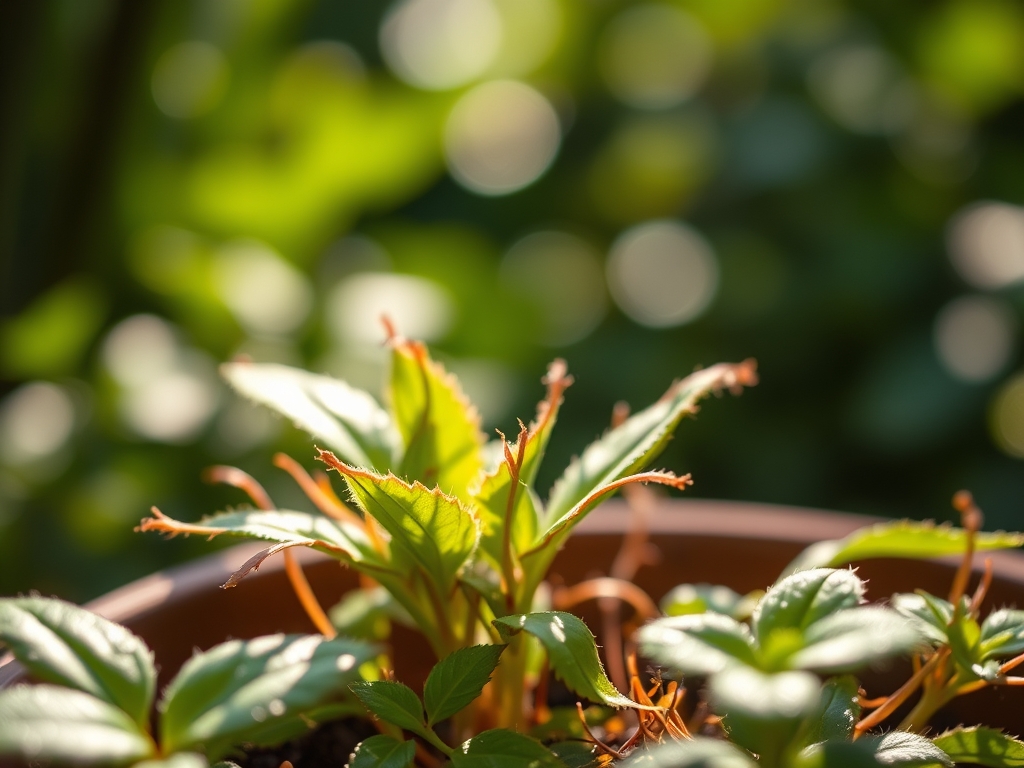
- Symptom: New leaves are distorted, small, or "hooked" at the tips.
- Diagnosis: Calcium deficiency. Calcium is immobile and requires consistent transpiration to move through the xylem.
- Fix-It: Ensure consistent watering and use a specialized fertilizer containing 2 percent Calcium.
Maintenance:
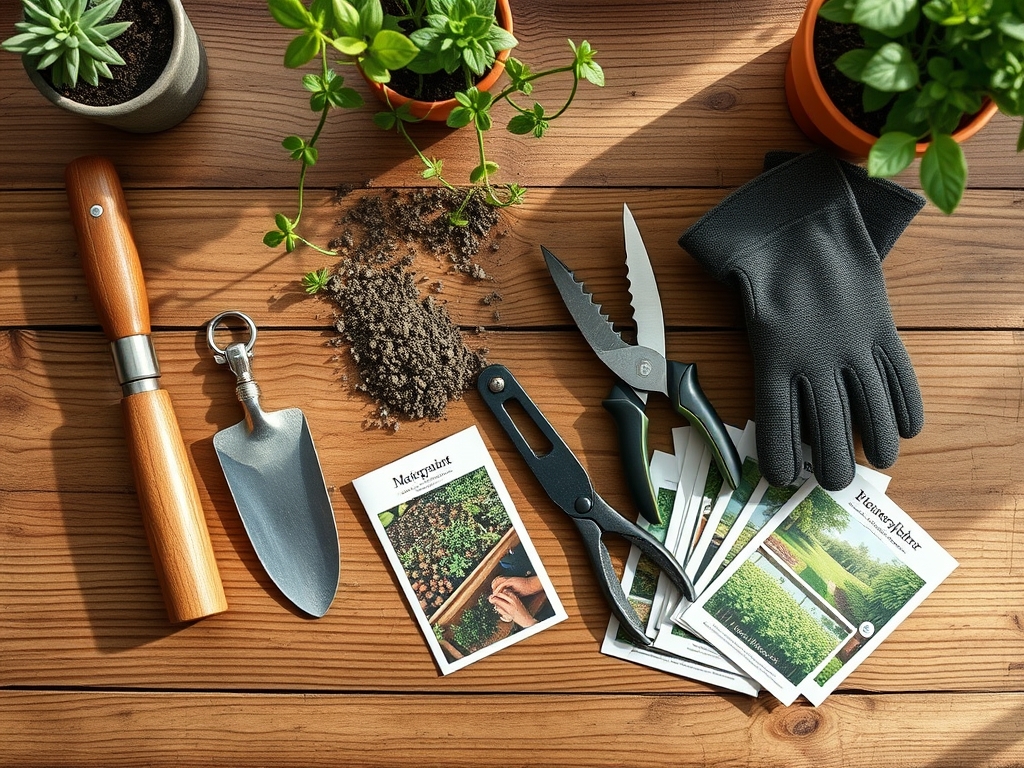
Professional maintenance requires precision tools and a disciplined schedule. Use a soil moisture meter to verify that the root ball is at a "4" or "5" on a ten-point scale before applying fertilizer. For large floor plants, provide approximately 1.5 liters of water per application, ensuring at least 10 percent of that volume drains from the bottom to leach excess salts.
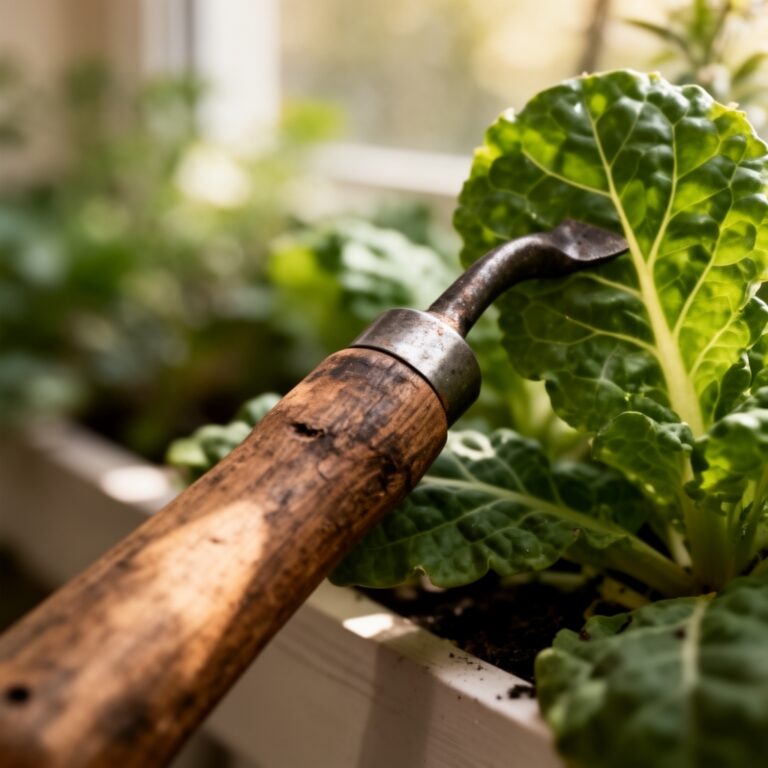
Keep a hori-hori knife on hand to occasionally probe the soil and check for compaction; if the blade cannot easily penetrate the top 4 inches, the soil needs aeration to allow oxygen to reach the rhizosphere. Use bypass pruners to remove any senescent (dying) foliage at a 45-degree angle. This prevents the plant from wasting metabolic energy on unproductive tissue. Clean the blades with 70 percent isopropyl alcohol between plants to prevent the transfer of pathogens.
The Yield:
For those growing indoor citrus or flowering species like Hoya, the yield is the ultimate metric of success. Harvest fruit when the rind achieves full color saturation and the fruit yields slightly to thumb pressure. For flowers, prune the spent blooms (deadheading) just above the first set of true leaves. This redirects the plant's energy from seed production back into vegetative vigor. To maintain "day-one" freshness for cuttings, immediately submerge the stems in 65-degree Fahrenheit water to prevent air embolisms in the xylem.
FAQ:
How often should I use specialized fertilizer?
Apply specialized fertilizer every two to four weeks during the active growing season (spring and summer). Reduce frequency to once every six to eight weeks during the winter when the plant's metabolic rate and light exposure decrease.
Can I use outdoor fertilizer for my houseplants?
No. Outdoor fertilizers often contain high concentrations of urea and salts that can burn sensitive indoor roots. Specialized houseplant fertilizers use nitrate-based nitrogen and chelated minerals designed for the limited drainage and volume of indoor pots.
What does NPK stand for on the label?
NPK stands for Nitrogen, Phosphorus, and Potassium. Nitrogen drives leaf growth; Phosphorus supports root and flower development; Potassium regulates internal cellular processes and water uptake. The numbers represent the percentage of each nutrient by weight.
What is the best way to apply liquid fertilizer?
Always apply liquid fertilizer to moist soil. Applying nutrients to a bone-dry root ball can cause "fertilizer burn" on the root hairs. Mix the solution at half-strength if you are unsure of the plant's specific sensitivity.