6 Steps to Prepare a Fire-Safe Garden Fireplace Site
The first spark that lands on dry mulch, the radiant heat that scorches nearby roots, and the ash that alters soil pH are all realities when learning how to prepare a site for a garden fireplace. A fire feature demands more than aesthetic placement. It requires deliberate soil amendment, clearance engineering, and plant selection based on heat tolerance and combustion risk. Proper site preparation integrates hardscape stability, drainage management, and fuel-load reduction to create a gathering space that respects both flame dynamics and living systems.
Materials
Site preparation begins with mineral aggregates, not organic matter. Crushed granite base (3/4-inch minus) or decomposed granite establishes a non-combustible pad with superior compaction. Apply 4 to 6 inches, tamped in 2-inch lifts with a plate compactor. For perimeter edging, use steel or stone. Avoid pressure-treated lumber within 15 feet of the firebox.
If adjacent planting beds require soil amendment, use low-nitrogen formulations. A 4-4-4 organic meal (bone meal, kelp, and rock phosphate) supports root establishment without promoting excessive foliar growth that increases fire fuel. Target soil pH between 6.0 and 7.0 for fire-resistant species like Sedum and Delosperma. Test cation exchange capacity to ensure mineral retention without waterlogging.
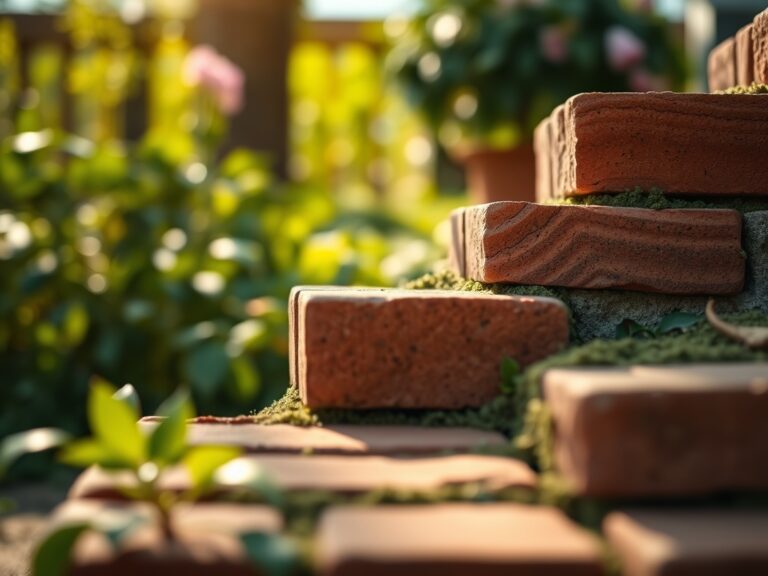
Fireproof pavers or refractory bricks form the immediate hearth zone. Choose materials rated to 1,800 degrees Fahrenheit. Avoid limestone or sandstone, which can crack under thermal cycling. Mortarless installation on a sand-set base allows for expansion and contraction.
Timing
Zone 5 through 9 gardeners should complete site grading and hardscape installation between late March and early May, after frost heave risk passes but before summer heat stresses new plantings. In Zones 10 and 11, October through February offers cooler conditions for masonry curing and reduced irrigation demand.
Soil disturbance triggers weed germination. Plan installation at least six weeks before the first expected frost date to allow pre-emergent herbicide application or solarization. This timing also permits one full growing season for ground covers to establish before winter desiccation increases fire risk.
Spring installation allows mycorrhizal fungi to colonize roots before summer drought. Fall planting works in Mediterranean climates (Zone 9b and warmer), where winter rains support establishment without supplemental irrigation.
Phases
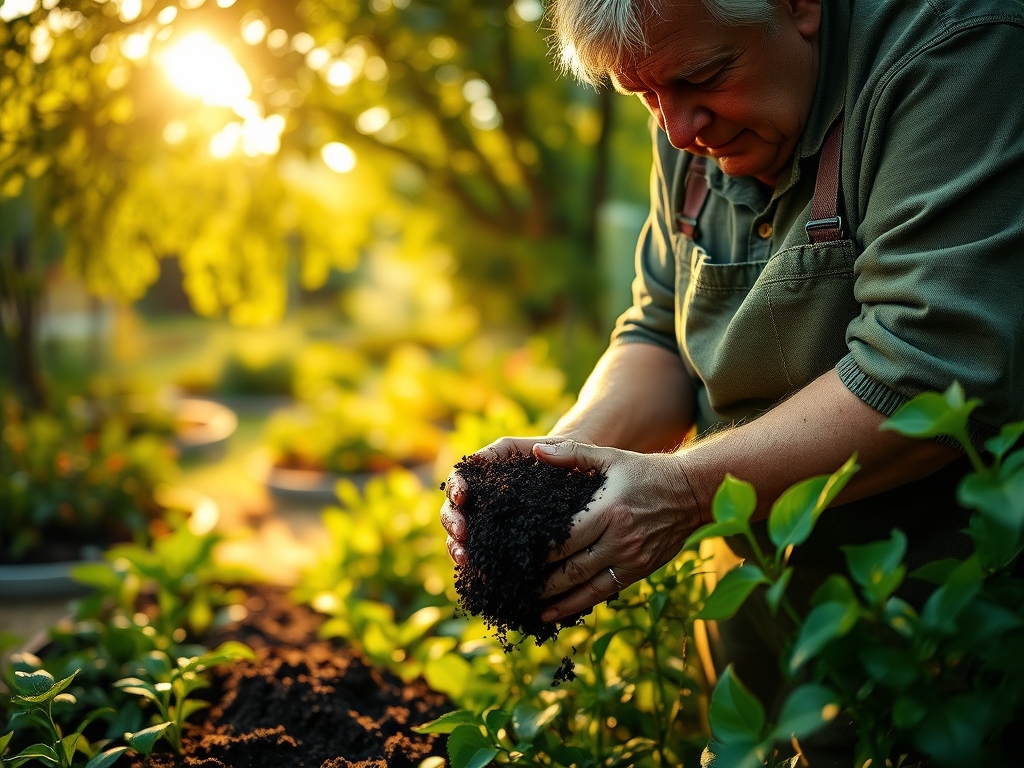
Site Clearing and Grading: Remove all vegetation within a 10-foot radius of the planned fire feature center. Excavate to 8 inches below finish grade. Slope the pad at 2 percent away from structures and toward drainage swales. Compact subgrade to 95 percent maximum dry density using a vibratory plate compactor. Install landscape fabric only beneath gravel pathways, never under planting zones where it impedes mycorrhizal networks and auxin distribution.
Pro-Tip: Wet the subgrade lightly before compaction to achieve optimal moisture content (usually 8 to 12 percent by weight) for maximum density without pumping.
Base Installation and Edging: Spread crushed aggregate base in 2-inch layers. Compact each lift before adding the next. Install steel edging at the perimeter, securing with 10-inch landscape spikes every 24 inches. The edging should rise 1 inch above finish grade to contain mulch and prevent organic matter migration onto the fireproof pad. For the hearth itself, lay firebrick in a running bond pattern on a 2-inch sand bed, leaving 1/8-inch joints unfilled to allow drainage.
Pro-Tip: Screed the sand bed with a notched 2×4 to maintain consistent thickness and prevent settling under the brick.
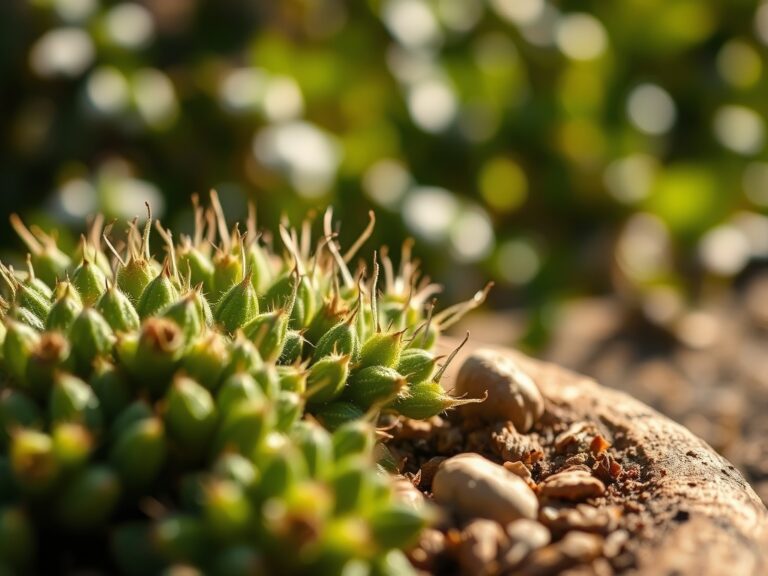
Planting Fire-Resistant Perimeter Species: Select succulents and thick-leaved perennials for the 10- to 15-foot buffer zone. Sedum spurium (two-row stonecrop), Delosperma cooperi (ice plant), and Sempervivum (hens and chicks) store water in leaves and maintain low growth profiles. Space plants 12 inches apart to achieve 80 percent cover within one season. Inoculate root zones with Rhizophagus irregularis (formerly Glomus intraradices) at 100 spores per cubic inch of root ball to improve drought tolerance and phosphorus uptake.
Pro-Tip: Water transplants with a kelp extract solution (1 tablespoon per gallon) to stimulate root hair development and reduce transplant shock by 30 percent.
Troubleshooting
Symptom: Surface cracking in fireproof pavers after first use.
Solution: Thermal shock from rapid heating. Preheat the firebox gradually over 20 minutes. Replace cracked units with higher-alumina refractory brick (45 percent alumina minimum).
Symptom: Ash accumulation altering soil pH above 8.0 in adjacent beds.
Solution: Rake ash away from planting zones immediately after each fire. Apply elemental sulfur at 1 pound per 100 square feet to reduce pH by 0.5 units over six months.
Symptom: Scorched foliage on perennials within 8 feet of firebox.
Solution: Radiant heat damage. Replace sensitive species with Hesperaloe parviflora (red yucca) or Agave parryi, both tolerant to 120 degrees Fahrenheit leaf surface temperature.
Symptom: Gravel migration exposing landscape fabric.
Solution: Install fabric only under pathways, not beds. Edge with deeper steel (6-inch height) to contain stone.
Symptom: Puddling water after irrigation near fire feature.
Solution: Insufficient pad slope. Re-grade to minimum 2 percent away from firebox and toward planted swales.
Maintenance
Apply 1 inch of water per week to fire-resistant plantings during establishment (first 90 days). Reduce to 0.5 inch weekly after root systems extend 8 inches deep. Measure soil moisture at 4-inch depth with a tensiometer, irrigating when readings exceed 50 centibars.
Remove dead foliage monthly during fire season. Prune succulents to remove desiccated leaves that increase fuel load. Maintain a 3-inch layer of 3/8-inch gravel mulch in buffer zones rather than organic mulch, which ignites at 450 degrees Fahrenheit.
Inspect mortar joints annually. Repoint with refractory mortar rated to match brick temperature tolerance. Seal steel edging with high-temperature paint every two years to prevent rust that weakens structural integrity.
Brush ash from pavers after each use before it binds with moisture into a alkaline crust. Test adjacent soil pH every spring, targeting 6.5 for optimal nutrient availability in fire-resistant plantings.
FAQ
How far should a garden fireplace sit from wooden structures?
Maintain 15 feet minimum clearance from wood siding, fences, and overhanging tree branches. Local fire codes may require 20 feet in high fire-risk zones.
Can I use regular pavers for a fire feature base?
Standard concrete pavers crack under sustained heat. Use only firebrick or refractory materials rated to 1,800 degrees Fahrenheit for the hearth proper.
What soil pH supports fire-resistant succulents best?
Target 6.0 to 7.0. Ash from wood fires raises pH, so monitor annually and amend with sulfur if readings exceed 7.5.
How deep should the crushed stone base extend?
Six inches minimum after compaction. Deeper bases (8 inches) improve drainage in clay soils and prevent frost heave in Zones 5 and colder.
Do fire-resistant plants need fertilizer?
Apply 4-4-4 organic blend once in spring. Excess nitrogen promotes soft growth that desiccates quickly, increasing fire fuel load.