6 Organization Steps to Prepare an Indoor Collection Plant Shelf
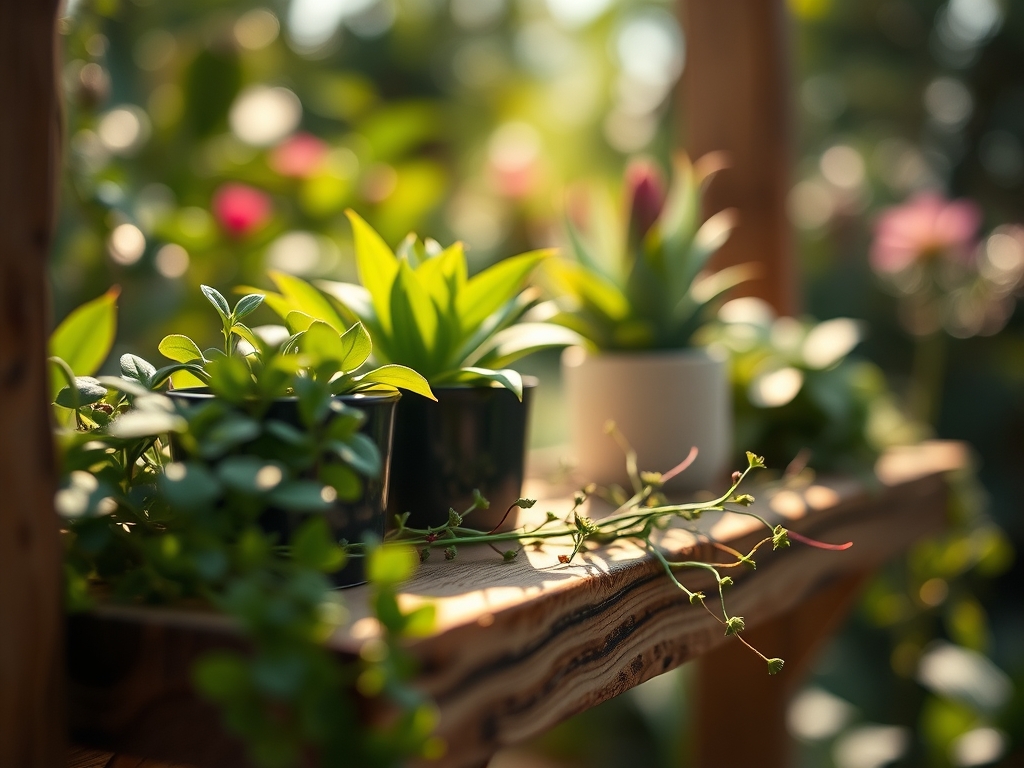
The smell of damp peat and the distinct metallic tang of perlite signal the start of a serious indoor propagation project. When a leaf maintains maximum turgor pressure; its cells fully hydrated and rigid; the plant functions as a high-efficiency biological engine. Mastering how to prepare a DIY plant shelf requires more than aesthetic placement. It demands an engineering mindset focused on light cycles, humidity gradients, and gas exchange. You are not just building furniture; you are constructing a controlled environment for complex photosynthetic organisms.
Materials:
The foundation of any successful shelf collection is the substrate. For most tropical indoor species, aim for a pH between 5.8 and 6.5 to ensure optimal nutrient availability. The physical texture must be a friable loam; a mixture that crumbles easily when squeezed; composed of 40% coco coir, 30% perlite, and 30% orchid bark. This structure prevents anaerobic conditions in the rhizosphere.
Nutrient management requires specific NPK ratios based on the growth stage. For establishing foliage, utilize a 3-1-2 NPK liquid concentrate. Nitrogen (N) drives chlorophyll production; Phosphorus (P) supports ATP transfer and root development; Potassium (K) regulates stomatal conductance. Ensure your shelf materials can withstand a Cation Exchange Capacity (CEC) that fluctuates with liquid fertilization. Use powder-coated steel or sealed hardwoods to prevent rot from the inevitable 60% to 80% relative humidity required for high-end collections.
Timing:
While indoor shelves are shielded from external frost, they are still governed by the biological clock of the species. Even in Hardiness Zones 5 through 9, indoor plants react to the shifting photoperiod of external seasons. The transition from the vegetative stage to the reproductive or dormant stage is triggered by light duration.
Begin your shelf build in late winter, approximately 4 to 6 weeks before the local last frost date. This aligns the peak growth surge of your plants with the natural increase in ambient solar radiation. During this window, plants exit senescence and begin active cell division in the meristem. If you are starting from seed, monitor the soil temperature; most tropical seeds require a consistent 70 to 75 degrees Fahrenheit to break dormancy.
Phases:
Sowing and Propagation
Place seeds or unrooted cuttings in a sterile medium to prevent damping-off. Maintain a constant moisture level without saturation. For cuttings, ensure at least one node is submerged or in contact with the substrate to allow for adventitious root development.
Pro-Tip: Utilize a humidity dome to reduce the vapor pressure deficit (VPD). This prevents excessive transpiration while the plant lacks a root system to replace lost water; a biological necessity because the plant cannot yet maintain turgor through soil suction.
Transplanting
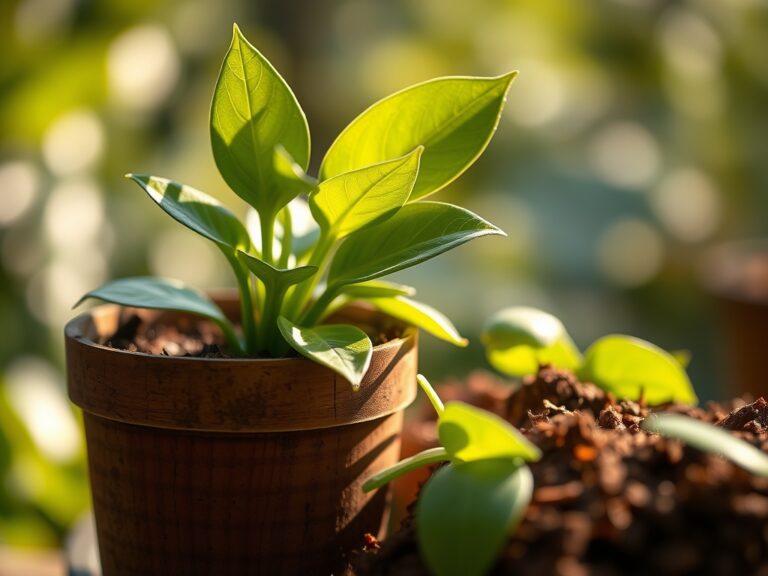
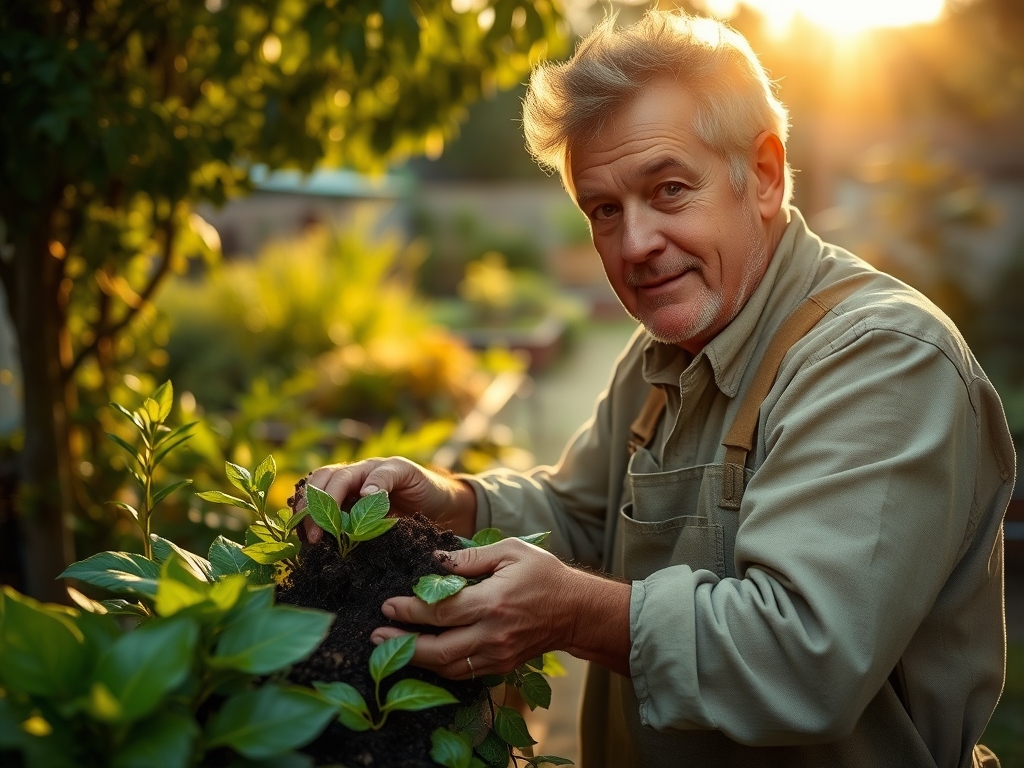
Once the root system occupies 70% of the starter vessel, move the plant to its permanent shelf container. This prevents the plant from becoming root-bound, which leads to nutrient lockout and stunted growth. Handle the root ball carefully to avoid damaging the microscopic root hairs responsible for the majority of water uptake.
Pro-Tip: Inoculate the new substrate with mycorrhizal fungi. This creates a symbiotic relationship where the fungi extend the root system's reach; increasing the uptake of Phosphorus and Micronutrients in exchange for plant-produced sugars.
Establishing
Position the plants on the shelf according to their light requirements. Use a PAR meter to measure Photosynthetically Active Radiation. Most "low light" plants require at least 50 to 100 micromoles, while high-light species need 300+ micromoles.
Pro-Tip: Rotate pots 90 degrees every week to counteract phototropism. This biological response is driven by auxin suppression on the light-exposed side of the stem; causing the shaded side to grow faster and the plant to lean.
The Clinic:
Physiological disorders often mimic pathogen attacks but are usually environmental.
- Symptom: Interveinal Chlorosis (yellowing between green veins).
Solution: This indicates a Magnesium deficiency or high pH blocking uptake. Adjust water pH to 6.0 and apply a 2% Epsom salt solution.
2. Symptom: Leaf Tip Burn.
Solution: Often caused by "salt " buildup from synthetic fertilizers or low humidity. Flush the substrate with three times the pot volume of distilled water.
3. Symptom: Edema (cork-like blisters on leaf undersides).
Solution: This occurs when the plant absorbs water faster than it can transpire. Increase airflow with a small oscillating fan and reduce watering frequency.
4. Symptom: Nitrogen Chlorosis (uniform yellowing of older leaves).
Fix-It: Apply a high-nitrogen fertilizer (NPK 10-5-5) to restore chlorophyll density. Nitrogen is a mobile nutrient; the plant steals it from old growth to support new meristematic development.
Maintenance:
Precision is the difference between a surviving plant and a thriving one. Use a soil moisture meter to verify that the top 2 inches of substrate are dry before adding water. For most 6-inch pots, apply approximately 12 to 16 ounces of water directly to the soil surface; avoid the foliage to prevent fungal spores from germinating.
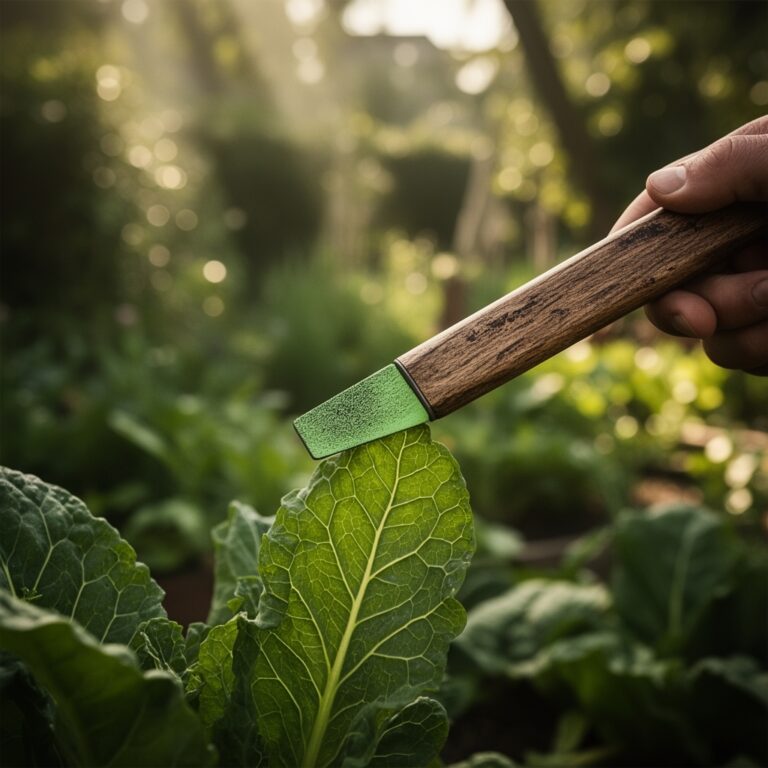
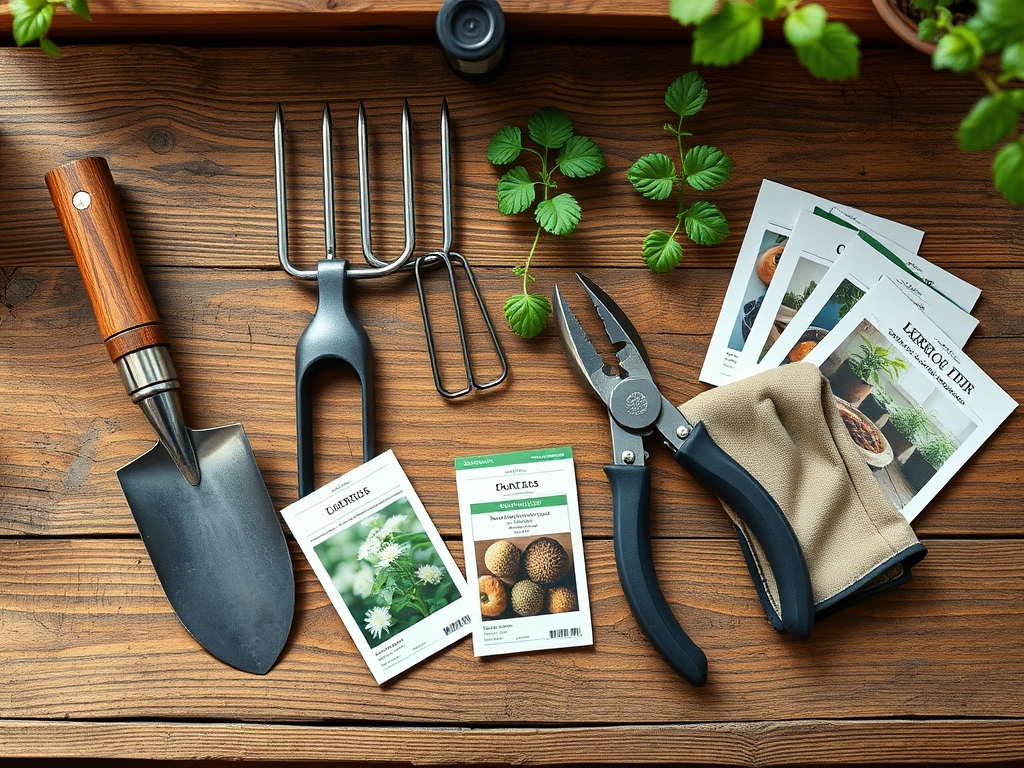
Keep a hori-hori knife for dividing overgrown clumps and a pair of bypass pruners for clean cuts. Dull blades crush vascular tissue (xylem and phloem), creating an entry point for pathogens. Sanitize tools with 70% isopropyl alcohol between every plant. Clean the dust off leaves monthly using a damp cloth to ensure the stomata remain unobstructed for gas exchange.
The Yield:
For those growing herbs or edible greens on their DIY shelf, harvest timing is critical. Collect leaves in the early morning when essential oil concentration and turgor are at their peak. Use sharp shears to cut just above a node to encourage branching.
To maintain "day-one" freshness for harvested greens, submerge the stems in 40-degree Fahrenheit water immediately. This rapid cooling slows the metabolic rate and prevents the degradation of sugars and volatile compounds. For flowering species, harvest when the first two ray florets have opened to ensure the longest vase life.
FAQ:
How much light do my shelf plants need?
Most indoor plants require 12 to 16 hours of light daily. Use a timer to maintain a consistent photoperiod. Measure light intensity in Foot Candles or LUX; aiming for 1,000 to 1,500 LUX for medium-light tropicals.
What is the best way to water a plant shelf?
Use a long-neck watering can to reach the rhizosphere without wetting the crown. Water until it drains freely from the bottom. Remove excess water from trays within 20 minutes to prevent root rot and fungus gnats.
How do I prevent pests on my DIY shelf?
Maintain high air circulation and inspect the undersides of leaves weekly. Use neem oil or insecticidal soap at the first sign of movement. Isolate new plants for 14 days before adding them to your primary collection shelf.
When should I fertilize my indoor plants?
Fertilize only during periods of active growth; typically March through October. Use a half-strength dilution every second watering. Avoid fertilizing in winter when the plant's metabolic rate slows due to lower ambient light levels and cooler temperatures.