10 Simple Steps to Install a Brick Patio
Crushed limestone dust and the scent of damp, compacted subsoil signal the beginning of a structural landscape intervention. Successful execution requires more than aesthetic placement; it demands an understanding of soil mechanics and drainage gradients. To master the steps to install a brick patio, one must first respect the compaction requirements of the local soil profile. A stable foundation prevents the shifting caused by freeze-thaw cycles and hydrostatic pressure. This process begins with a precise excavation of the topsoil layer to reach a stable mineral horizon. Failure to remove organic matter leads to decomposition pockets that compromise the structural integrity of the masonry. Every inch of depth must be calculated to account for the base material, the setting bed, and the brick thickness itself. Precision at the subgrade level ensures that the final surface maintains a two percent slope for water runoff, protecting the nearby residence from moisture infiltration.
Materials:

The success of a hardscape installation depends on the chemical and physical properties of the materials surrounding the **rhizosphere** of adjacent plantings. For the base, utilize **Class 5 crushed rock** or a similar ¾-inch minus aggregate. The bedding layer requires **coarse washed concrete sand** with sharp angular edges to facilitate mechanical interlock.
If the patio borders a garden, monitor the soil pH; limestone bases can leach carbonates, raising the pH above 7.5. This alkalinity can trigger iron chlorosis in acid-loving plants. Ensure the surrounding soil is a friable loam with a Cation Exchange Capacity (CEC) of 15 to 25. For supplemental nutrition in border beds, apply a balanced 10-10-10 NPK ratio fertilizer to offset the high mineral content of the construction aggregates. The physical texture of the substrate must allow for a bulk density that supports the weight of the bricks while permitting lateral water movement.
Timing:
Hardiness Zones 3 through 7 require strict adherence to frost-date windows. Excavation should only occur when the soil is no longer saturated; working in mud destroys soil structure and leads to massive compaction issues. The ideal window is late spring through early autumn, specifically after the final spring frost when the Biological Clock of local flora transitions from dormant to the vegetative stage.
In warmer zones 8 through 11, timing is less about frost and more about managing the turgor pressure of surrounding plants during high-heat periods. Avoid installing heavy masonry during peak summer months if it requires disturbing the root zones of established trees, as the increased soil temperature and reduced oxygen exchange can trigger premature senescence.
Phases:

Sowing the Foundation
Excavate the area to a depth of 8 inches. This allows for 4 inches of compacted gravel, 1 inch of sand, and a 2.25-inch brick. Use a plate compactor to reach 95 percent Proctor density.
Pro-Tip: Proper compaction prevents the formation of anaerobic pockets. In a biological context, this mirrors the necessity of soil aeration; without it, beneficial mycorrhizal symbiosis cannot occur in the adjacent soil, as the fungi require oxygen to facilitate nutrient transport to plant roots.
Transplanting the Masonry
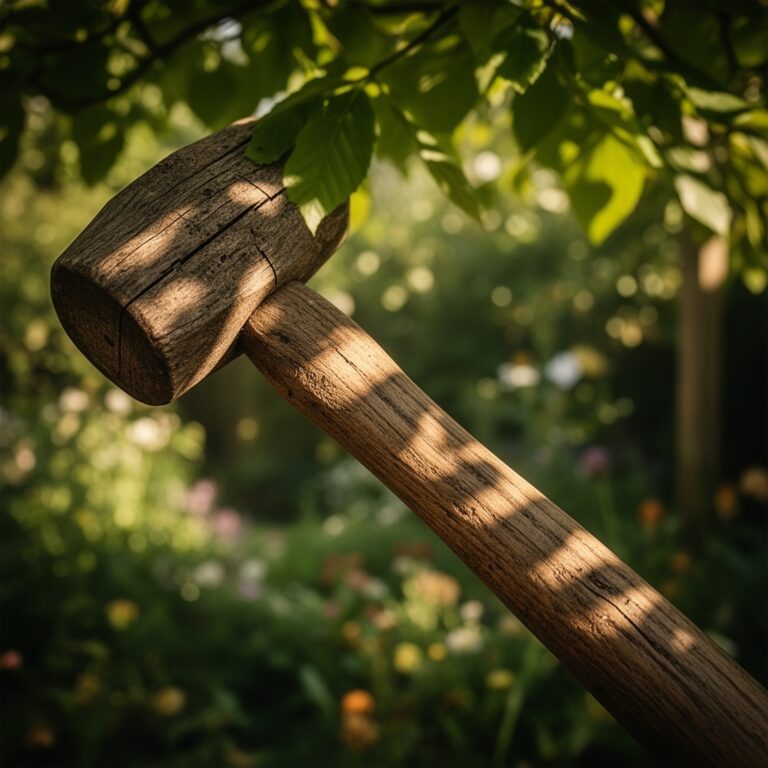
Lay the bricks in your chosen pattern, such as herringbone or running bond. Keep joints between 1/16 and 1/8 inch. Use a rubber mallet to set each brick into the sand bedding.
Pro-Tip: Maintain a consistent gap to allow for polymeric sand infiltration. This mimics the natural spacing found in rock outcrops, which prevents auxin suppression in nearby groundcovers. By allowing minimal expansion, you prevent the bricks from heaving and crushing the delicate root collars of border vegetation.
Establishing the Surface
Sweep polymeric sand into the joints. Mist the surface with water to activate the binding polymers. This creates a semi-permeable barrier that resists weed growth while allowing some vapor transmission.
Pro-Tip: The sand serves as a thermal mass. During the day, it absorbs solar radiation; at night, it releases heat. This creates a microclimate that can influence phototropism in nearby plants, as they may lean toward the patio to capture reflected light or heat during the shoulder seasons.
The Clinic:
Physiological disorders in the patio area often manifest in the surrounding flora due to the altered environment.
-
Symptom: Yellowing of young leaves with green veins (Iron Chlorosis).
-
Solution: This is often caused by lime leaching from the patio base. Apply chelated iron to the soil and monitor pH levels to ensure they stay below 7.0.
-
Symptom: Stunted growth and wilt despite adequate watering.
-
Solution: Soil compaction from heavy machinery. Use a broadfork or core aerator in the transition zone between the patio and the lawn to restore gas exchange.
-
Symptom: White, powdery crust on bricks (Efflorescence).
-
Solution: This is a mineral salt buildup. Scrub with a solution of white vinegar and water; ensure drainage is sufficient to prevent standing water from pulling salts to the surface.
Fix-It for Nitrogen Chlorosis: If border plants show general paling of older leaves, the high-carbon environment of some mulch types used near patios may be "locking up" nitrogen. Apply a high-nitrogen fertilizer with an NPK of 21-0-0 to rapidly restore chlorophyll production.
Maintenance:
A brick patio is a living component of the landscape. Inspect the joints annually for sand loss. For the surrounding vegetation, ensure they receive 1.5 inches of water per week at the drip line, especially during the first two years of establishment. Use a soil moisture meter to verify that the patio is not shedding too much water into one specific area, which could lead to root rot.
When pruning border plants that overhang the brick, use bypass pruners for clean cuts that heal quickly. If weeds appear in the joints, use a hori-hori knife to extract the entire taproot without disturbing the sand bed. Avoid harsh chemical de-icers in winter; the sodium chloride can accumulate in the soil, causing osmotic stress and preventing plants from uptaking water.
The Yield:
While a patio does not produce a crop, its "yield" is measured in the longevity of the structure and the health of the integrated landscape. A well-installed patio increases the thermal stability of the garden. For those growing herbs in patio containers or inset beds, harvest in the early morning when turgor pressure is at its peak. This ensures the cell walls are fully hydrated, providing "day-one" freshness and maximum essential oil concentration. Use a sharp blade to avoid crushing the vascular tissue, which allows the plant to seal the wound quickly and prevent pathogen entry.
FAQ:
How deep should I dig for a brick patio?
Excavate to a minimum depth of 7 to 9 inches. This accommodates 4 inches of compacted aggregate, 1 inch of leveling sand, and the thickness of the brick. Proper depth ensures structural stability and prevents frost heaving in colder climates.
What is the best sand for brick joints?
Use polymeric sand for the final step. It contains chemical binders that harden when wetted, preventing weed growth and erosion. For the bedding layer under the bricks, use coarse, angular concrete sand to ensure a stable, non-shifting base.
Do I need a weed barrier under the gravel?
Yes, use a heavy-duty geotextile fabric between the subsoil and the gravel base. This prevents the stone from sinking into the soil while allowing water to drain. It acts as a physical barrier against deep-seated perennial weed rhizomes.
How do I prevent my patio from sinking?
The key is 95 percent compaction of the gravel base. Use a mechanical plate compactor in 2-inch lifts. Skipping this step or using a hand tamper results in uneven settling as the soil undergoes natural consolidation over time.