9 Sun-Exposure Steps to Prepare a Winter Windowsill Garden
The afternoon light slants low through December windows, casting pale geometry on kitchen countertops where basil and parsley once thrived. Now those same sills become strategic growing zones if you understand how to prepare a windowsill garden for winter sun. The oblique angle of winter sunlight, traveling through denser atmosphere at 23.5 degrees off-axis, delivers only 40 percent of summer's photosynthetically active radiation. Your preparation must compensate for this deficit through species selection, reflective surfaces, and precise nutrient ratios that support compact growth under marginal conditions.
Materials
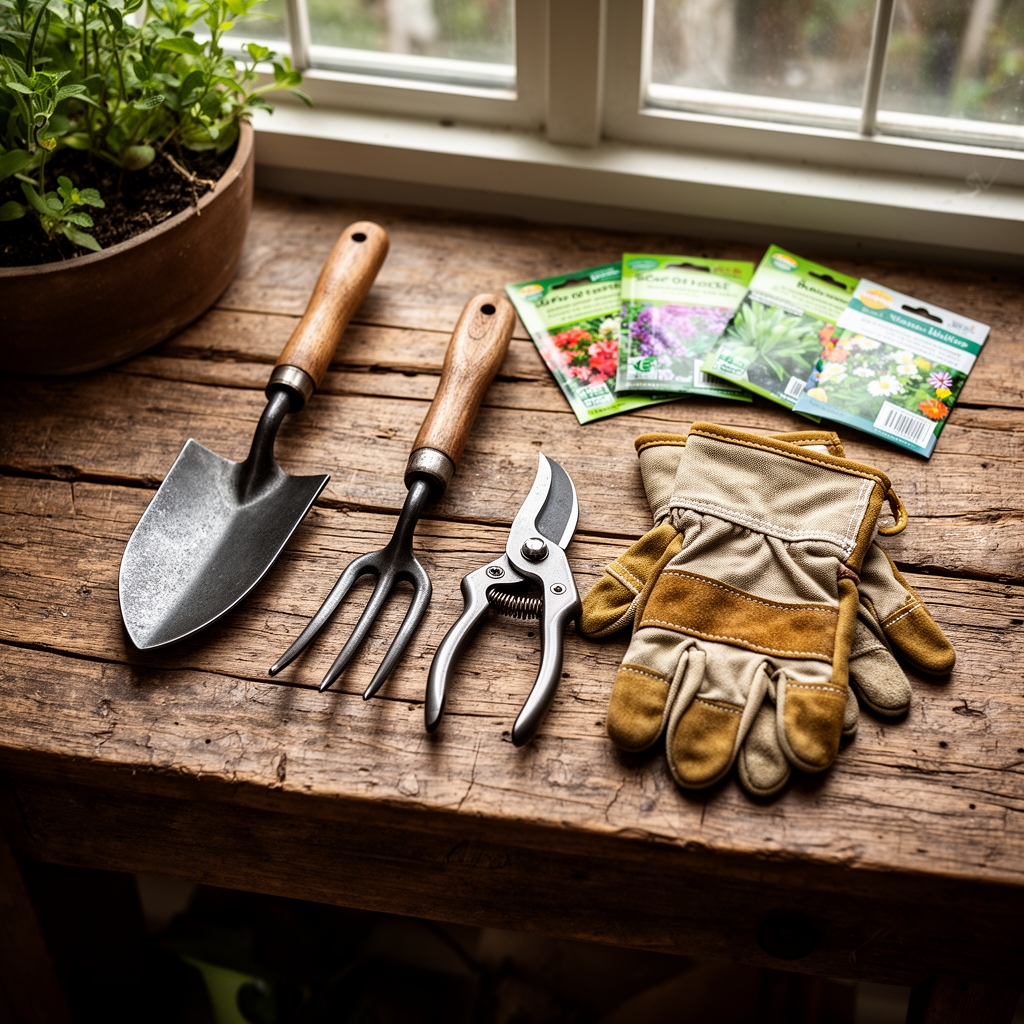
Acquire a soilless base mix with pH 6.0-6.5. Combine 2 parts peat moss, 1 part perlite, and 1 part vermiculite to ensure adequate cation exchange capacity without waterlogging. Add 2 tablespoons of dolomitic lime per gallon of mix to buffer acidity.
For fertility, incorporate a 4-4-4 organic meal blend at 1 tablespoon per quart of medium. This balanced NPK ratio prevents excessive vegetative stretch common when nitrogen dominates under low-light conditions. Supplement with kelp meal at 1 teaspoon per quart for micronutrients and cytokinins that regulate apical dominance.
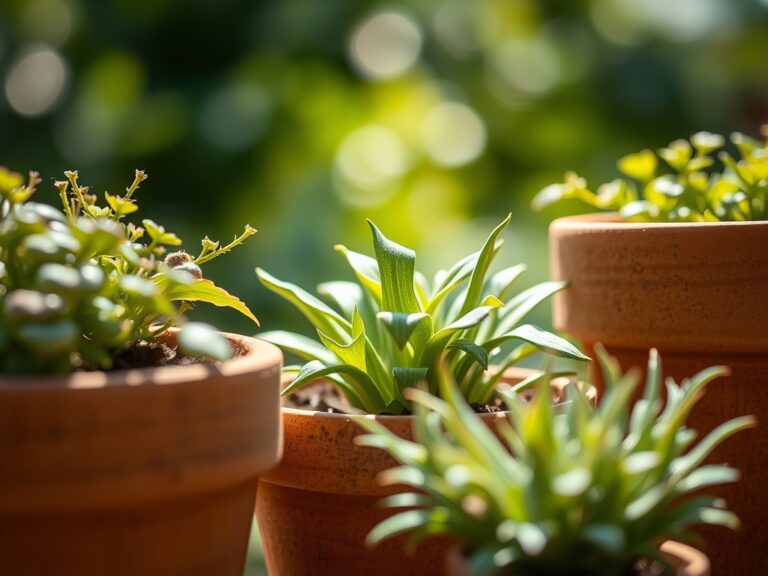
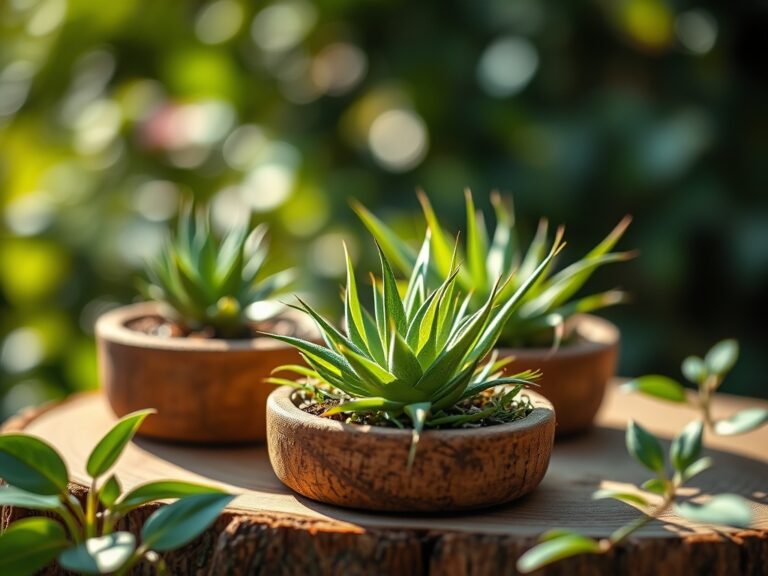
Install aluminum foil backing on cardboard panels positioned opposite your window. This increases reflective albedo by 65 percent, redirecting lost photons back onto leaf surfaces. Purchase containers with drainage holes and saucers. Terracotta clay at 4-inch diameter works best for herbs; plastic 6-inch pots suit compact lettuce cultivars.
Source mycorrhizal inoculant containing Glomus intraradices spores. This arbuscular fungus colonizes root cortex cells and extends phosphorus acquisition radius by 100-fold in confined root zones.
Timing
For USDA Hardiness Zones 5-7, begin preparation eight weeks before your average first frost date. This timing allows transplants to establish before photoperiod drops below 10 hours of direct sun exposure. In Zone 5 (first frost October 15), start mid-August. Zone 6 gardeners (first frost October 30) begin September 1. Zone 7 residents (first frost November 15) can wait until mid-September.
South-facing windows deliver optimal winter sun. East or west exposures require supplemental LED grow lights providing 200-400 micromoles per square meter per second for 6 additional hours daily. North-facing windows cannot support productive winter growth without artificial lighting.
Phases
Sowing
Direct-sow lettuce cultivars 'Tom Thumb' or 'Little Gem' 0.25 inches deep in final containers. Space seeds 2 inches apart. These compact varieties reach harvest at 4-inch rosette diameter. Sow arugula at 0.125-inch depth with 1-inch spacing for cut-and-come-again harvests every 18 days.
Start basil 'Spicy Globe' and parsley 'Moss Curled' in 2-inch cell trays. These dwarf cultivars maintain 6-8 inch mature height suitable for windowsill clearance. Germinate at 70-75°F soil temperature using a seed-starting heat mat.
Pro-Tip: Scarify parsley seeds by rubbing between fine-grit sandpaper for 10 seconds. This abrasion breaks down germination inhibitors in the seed coat, improving emergence from 40 percent to 85 percent within 14 days.
Transplanting
Move seedlings to final containers when true leaves emerge, typically 14-21 days post-germination. Handle only by cotyledons to avoid crushing the apical meristem. Bury stems up to the cotyledon node on basil to encourage adventitious root formation along the buried internode.
Water with 0.25-strength fish emulsion (1-1-1 NPK analysis) immediately after transplanting. This mild auxin boost from the liquid organic matter stimulates root hair proliferation without shocking tender transplants.
Pro-Tip: Dust root balls with mycorrhizal inoculant powder at transplant. Direct contact between spores and root epidermis cells initiates colonization within 72 hours, establishing symbiosis before winter stress arrives.
Establishing
Pinch terminal buds on basil when plants reach 4 inches tall. Remove growth tips at a 45-degree angle just above a node with opposing leaf pairs. This pruning redistributes auxin to lateral meristems, creating bushy architecture instead of leggy single stems.
Thin lettuce to 4-inch final spacing by snipping unwanted seedlings at soil level with scissors. Pulling disturbs neighboring root systems in the confined container environment.
Pro-Tip: Rotate containers 180 degrees every three days. This prevents phototropic bending and ensures even auxin distribution throughout the plant canopy, producing symmetrical growth.
Troubleshooting
Symptom: Interveinal chlorosis on new leaves with green veins remaining distinct.
Solution: Iron deficiency from high pH. Drench soil with chelated iron solution (Sprint 330) at 1 teaspoon per gallon. Retest pH and adjust below 6.8.
Symptom: White powdery coating on leaf surfaces, starting on older foliage.
Solution: Powdery mildew from poor air circulation. Increase spacing between plants by 2 inches. Spray with 1 tablespoon baking soda plus 0.5 teaspoon horticultural oil per quart of water weekly.
Symptom: Stippled yellow dots on upper leaf surfaces; fine webbing on undersides.
Solution: Two-spotted spider mites thrive in dry indoor winter air. Increase humidity by placing containers on trays filled with pebbles and 0.5 inches of water. Spray undersides with insecticidal soap at 3-day intervals for 2 weeks.
Symptom: Elongated stems with pale, widely-spaced leaves.
Solution: Etiolation from insufficient light intensity. Move plants closer to glass, within 6 inches of the pane. Add reflective backing or supplemental lighting.
Symptom: Brown leaf margins progressing inward; crispy texture.
Solution: Salt accumulation from over-fertilization or chlorinated water. Leach containers with 2 gallons of distilled water per pot. Resume fertilization at half-strength.
Maintenance
Water when the top 0.5 inches of growing medium feels dry to touch. Apply 0.25 inches of water (roughly 3 ounces for a 4-inch pot), allowing 10 percent to drain from bottom holes. This leaching fraction prevents salt buildup. Winter heating systems reduce indoor humidity below 30 percent, accelerating transpiration. Check soil moisture every 2-3 days.
Feed every 14 days with liquid kelp and fish blend diluted to 1-2-1 NPK ratio at half the manufacturer's recommended rate. Winter growth rates decrease by 60 percent, reducing nutrient demand proportionally.
Inspect leaf undersides weekly for aphid colonies. Remove infestations with a cotton swab dipped in 70 percent isopropyl alcohol. Prune dead or yellowing foliage immediately to prevent fungal colonization.
FAQ
What is the minimum sun exposure needed?
Four hours of direct winter sunlight daily, measured between 10 a.m. and 2 p.m. when solar angle peaks. Supplement with grow lights if below this threshold.
Can I grow tomatoes on a winter windowsill?
Determinate cherry types like 'Tiny Tim' survive but rarely fruit without 8+ hours of intense light. Focus energy on leafy greens and herbs with lower light compensation points.
How cold can windowsill temperatures drop?
Most culinary herbs tolerate 50-55°F nights. Below 45°F, basil suffers chilling injury visible as black lesions on leaf margins within 48 hours. Move containers away from glass during extreme cold snaps.
Should I use tap water or filtered water?
Depends on your municipal chlorine levels. Above 2 ppm chlorine damages beneficial soil microbes. Let tap water sit uncovered for 24 hours to allow chlorine gas to dissipate, or use filtered water.
When can I start harvesting?
Lettuce at 30-40 days post-sowing when rosettes reach 3 inches diameter. Herbs once stems develop 6-8 leaf nodes. Never remove more than one-third of total leaf area in a single harvest to maintain photosynthetic capacity.