7 Steps to Install a Garden Trellis on a Brick Wall
Mounting a trellis on brick transforms vertical surfaces into productive growing zones for perennial vines, espaliered fruit trees, and climbing annuals. The steps for installing a garden trellis on brick require masonry-specific anchors, precise load calculations, and an understanding of how root-zone development interacts with wall microclimates. Brick walls radiate stored heat, extending the growing season by 2-3 weeks in USDA Zones 6-8 while creating sharp moisture gradients that influence auxin distribution in climbing stems. This guide prioritizes structural integrity and horticultural performance.
Materials
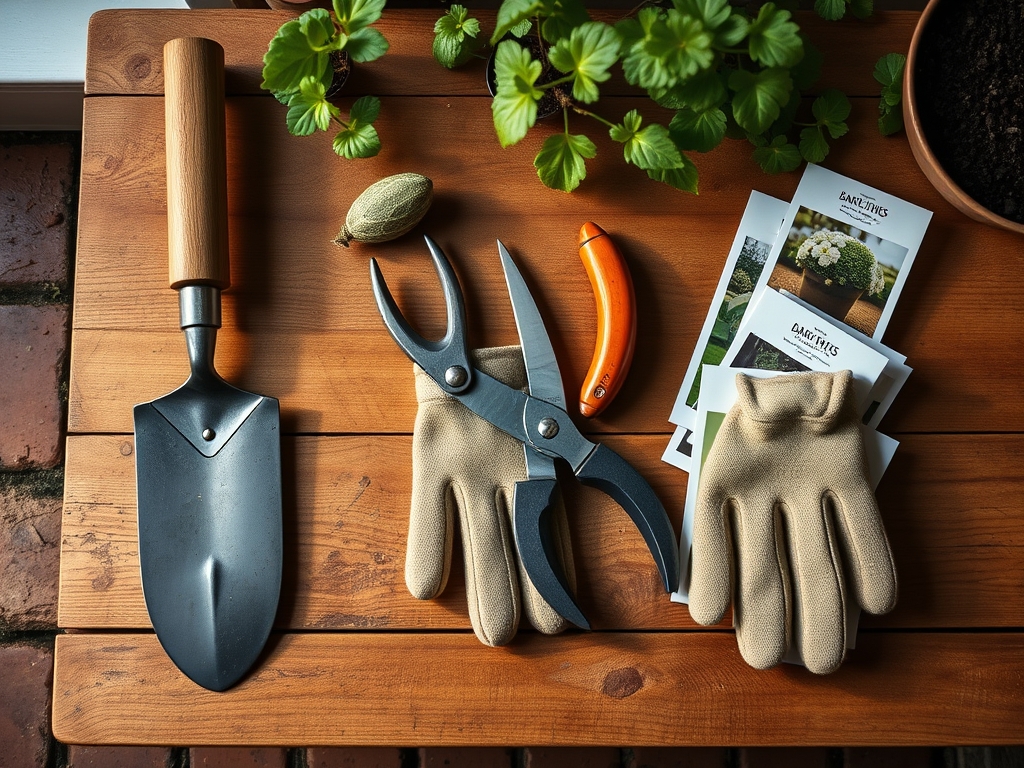
Select masonry anchors rated for 50-pound minimum shear strength per fastener. Tapcon concrete screws (3/16-inch diameter, 2.25-inch length) work in solid brick. For hollow-core brick or mortar joints, use sleeve anchors or toggle bolts. The trellis frame itself should consist of rot-resistant cedar or pressure-treated lumber (alkaline pH 8.5-9.0 from copper azole treatment). Stainless steel or galvanized hardware prevents rust staining on porous brick.
Prepare the planting zone with amendments targeting cation exchange capacity above 15 meq/100g. Blend native soil with composted bark fines (C:N ratio 30:1), worm castings (1-0-0 NPK), and alfalfa meal (3-1-2 NPK). Incorporate mycorrhizal fungi inoculant (Glomus intraradices) at transplant to enhance phosphorus uptake near the alkaline brick interface. For acid-loving climbers like Hydrangea petiolaris, add sulfur to lower pH to 5.5-6.5.
Procure a masonry bit (carbide-tipped, 5/32-inch for Tapcons), hammer drill, level, tape measure, and safety glasses. Latex or nitrile gloves protect hands during soil mixing.
Timing
Install hardware during dry weather between late March and May in Zones 6-7, or October through November in Zones 8-9. Masonry work in freezing conditions causes micro-cracking as trapped moisture expands. Consult NOAA frost-date maps; schedule installation 3-4 weeks before the last spring frost to allow plants immediate access to support structures.
For annual climbers (Ipomoea, Phaseolus), erect trellises 2 weeks pre-sowing when soil temperatures reach 60°F at 2-inch depth. Perennial installations (Wisteria, Clematis) benefit from fall mounting, giving roots winter months to establish before spring's auxin-driven shoot elongation.
Phases

Step 1: Mark Anchor Points
Hold the trellis against the brick wall. Use a level to confirm plumb orientation. Mark drill locations through existing trellis mounting holes, spacing anchors 16-24 inches apart horizontally and 12 inches vertically. Avoid mortar joints when possible; solid brick provides superior holding power.
Step 2: Drill Pilot Holes
Set the hammer drill to percussion mode. Drill 2.5-inch-deep holes at marked points, holding the bit perpendicular to the wall surface. Blow out brick dust with compressed air or a turkey baster. Debris in the hole reduces anchor grip by 30%.
Pro-Tip: Drill 1/8-inch deeper than the anchor length to accommodate brick dust that remains despite cleaning.
Step 3: Insert Anchors
For Tapcons, tap anchors gently with a hammer until flush with the brick surface. Thread screws through trellis mounting brackets and into anchors, tightening to manufacturer-specified torque (typically 15-20 foot-pounds). Over-torquing cracks brick.
Step 4: Attach Trellis Frame
Align the trellis with installed anchors. Secure with washers under screw heads to distribute load across the wood grain. Leave 2-3 inches of airspace between the trellis and brick to promote air circulation, reducing foliar disease pressure by limiting humidity buildup.
Pro-Tip: Apply a silicone-based masonry sealer around drilled holes to prevent water infiltration and freeze-thaw damage.
Step 5: Prepare Planting Zone
Excavate a trench 18 inches from the wall base, 12 inches deep and 24 inches wide. Brick foundations create rain shadows; position plants where drip irrigation or manual watering compensates for reduced rainfall. Mix amendments listed in the Materials section, achieving a final pH of 6.2-6.8 for most climbers.
Step 6: Transplant Climbers
Set root balls at the same depth as nursery containers. Backfill with amended soil, pressing firmly to eliminate air pockets that desiccate roots. Water with 2 gallons per plant, adding soluble kelp extract (0-0-1 NPK plus cytokinins) to reduce transplant shock.
Pro-Tip: Angle the main stem 45 degrees toward the trellis during planting to initiate contact with support structures within 7-10 days.
Step 7: Train Initial Growth
Loosely tie emerging shoots to the lowest trellis crossbar using soft twine or Velcro strips. Avoid wire, which girdles stems as they expand. Guide laterals horizontally to maximize light interception and promote even auxin distribution, preventing apical dominance that creates sparse lower growth.
Troubleshooting
Symptom: Trellis sags or pulls away from the wall under plant weight.
Solution: Add intermediate anchors every 12 inches. Upgrade to 1/4-inch Tapcons or through-bolts with toggle anchors in hollow brick.
Symptom: Chlorosis (yellowing leaves) on new growth.
Solution: Iron deficiency induced by alkaline brick leachate. Apply chelated iron (Fe-EDDHA) at 1 tablespoon per gallon, drenching the root zone monthly.
Symptom: Powdery mildew on leaves near the wall.
Solution: Insufficient airflow. Prune to thin canopy density by 25%, and increase trellis-to-wall spacing with 4-inch standoff brackets.
Symptom: Brick spalling or surface flaking around anchors.
Solution: Water intrusion and freeze cycles. Seal anchor holes and apply breathable masonry sealer (silane/siloxane blend) annually.
Symptom: Spider mites in hot microclimates.
Solution: Predatory mites (Phytoseiulus persimilis) released at 50 per plant. Spray foliage with 1% horticultural oil weekly.
Maintenance
Apply 1 inch of water per week during the growing season, measured with a rain gauge. Drip irrigation on a timer set for 30 minutes every 3 days maintains consistent moisture without wetting brick surfaces. Top-dress with 1/2 inch of compost each spring, delivering slow-release nitrogen (approximately 1 pound N per 100 square feet).
Prune climbers in late winter when dormant. Remove crossing branches and dead wood. For fruiting vines, maintain 4-6 main canes trained horizontally, pruning laterals to 3-4 buds. This concentrates carbohydrate reserves and improves flower bud formation.
FAQ
How much weight can brick-mounted trellises support?
Each Tapcon anchor in solid brick holds 50 pounds in shear. A trellis with 8 anchors safely supports 200-300 pounds of mature vine growth after applying a 50% safety factor.
Can I install a trellis on painted brick?
Yes. Drill through paint into brick. Paint does not affect anchor performance but may crack around holes. Touch up with masonry paint post-installation.
What climbers tolerate hot brick walls?
Campsis radicans, Bougainvillea, and Ficus pumila thrive in reflected heat. These species exhibit CAM or C4 photosynthetic pathways with high heat tolerance.
Do trellises damage brick over time?
Properly sealed anchor holes prevent water intrusion, the primary cause of brick degradation. Inspect seals annually and reapply as needed.
How far should the trellis extend above the wall?
Extend 6-12 inches above the wall's top edge to prevent vines from rooting into mortar joints and causing structural damage through hydraulic pressure from expanding roots.