8 Nematode-Based Steps for Treating Fungus Gnats
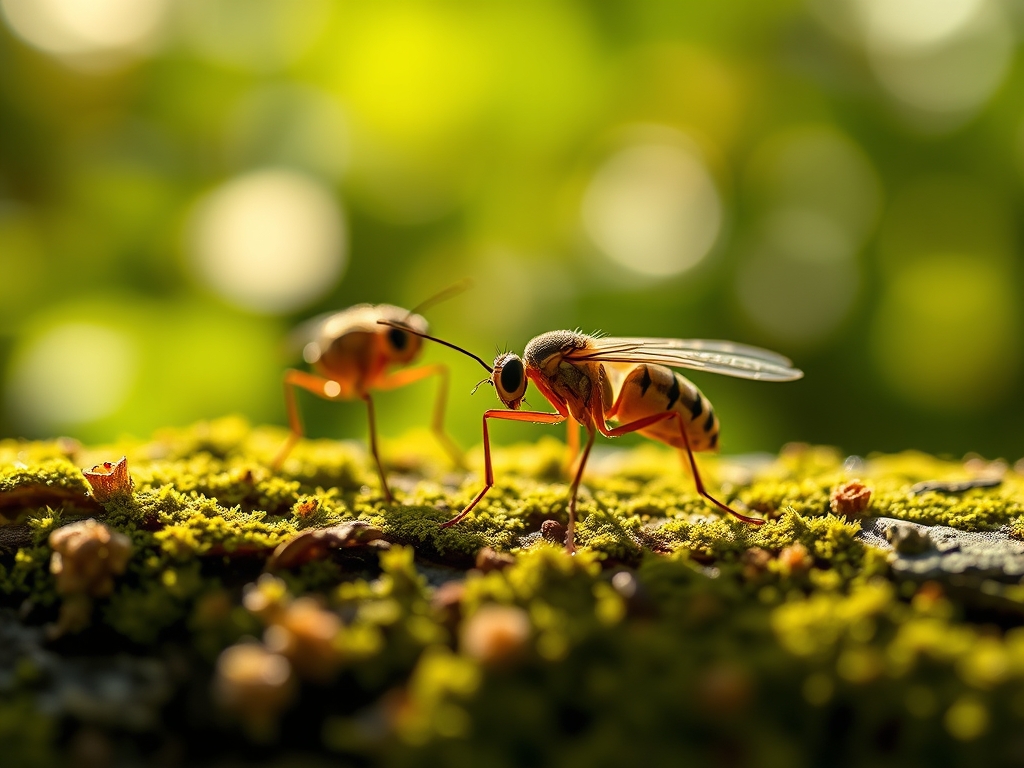
Damp peat moss emits a sharp, metallic scent when fungus gnat larvae begin their colonization of the rhizosphere. These dipteran pests thrive in anaerobic pockets of saturated substrate, where they consume root hairs and diminish the turgor pressure of the host plant. To restore structural integrity, growers must deploy biological controls that target the larval stage directly. Following specific steps for treating fungus gnats with nematodes ensures a sterile environment without disrupting the delicate balance of soil microbes.
Successful eradication depends on the application of Steinernema feltiae, a species of entomopathogenic nematode that hunts larvae within the top two inches of the medium. These microscopic roundworms enter the host and release symbiotic bacteria, liquefying the gnat larvae from the inside. This process requires precise environmental calibration to prevent nematode desiccation. By maintaining a soil temperature between 60 and 80 degrees Fahrenheit, the practitioner facilitates a rapid predatory response. Proper execution prevents the yellowing of lower foliage and ensures the vascular system remains unobstructed by fungal pathogens carried by the adult flies.
Materials:

The efficacy of biological controls is dictated by the chemical and physical properties of the growing medium. For optimal nematode mobility, use a friable loam or a high-porosity peat-perlite mix. The substrate must maintain a pH between 5.8 and 6.5 to ensure nutrient availability and microbial health. High Cation Exchange Capacity (CEC) materials, such as vermiculite or aged compost, help retain the moisture necessary for nematode survival.
Nutrient management during treatment should focus on a balanced NPK ratio, typically a 10-10-10 or 20-20-20 water-soluble fertilizer, to support root regeneration. Avoid high-nitrogen blends (above 30 percent N) during an active infestation, as excessive succulent growth can attract further adult populations. Ensure the water source is dechlorinated; high chlorine levels can neutralize the nematodes before they reach the soil surface.
Timing:
Nematode application is most effective during the vegetative stage when root development is most active. In Hardiness Zones 4 through 7, outdoor applications should occur after the final frost date when soil temperatures consistently exceed 55 degrees Fahrenheit. Indoor growers should time the application during the "dark period" of the photoperiod to avoid UV degradation of the nematodes.
The biological clock of the plant dictates the window for treatment. During the transition from vegetative to reproductive stages, the plant redirects energy from root expansion to flower or fruit production. Treating gnats before this shift prevents the senescence of primary fan leaves caused by root damage. If the infestation occurs during the flowering phase, applications must be more frequent to compensate for the plant's reduced ability to repair vascular tissue.
Phases:

Sowing and Preparation
Before introducing nematodes, hydrate the medium until it reaches field capacity. Use a soil moisture meter to confirm a reading of at least 60 percent. Mix the nematode concentrate in a clean bucket with water at 65 to 75 degrees Fahrenheit. Agitate the solution gently to keep the organisms suspended.
Pro-Tip: Proper hydration leverages capillary action, allowing nematodes to swim through the film of water surrounding soil particles. This movement is essential for locating gnat larvae via chemosensory cues.
Transplanting and Application
Apply the solution using a low-pressure watering can or a specialized injector. Focus the application on the top layer of the soil where larvae congregate. If transplanting, drench the root ball of the new specimen before placing it in the hole to ensure immediate protection of the primary root system.
Pro-Tip: Maintaining high moisture levels post-application prevents the nematodes from entering a state of anhydrobiosis. This ensures they remain active predators during the critical 48-hour window following introduction.
Establishing and Monitoring
After the initial drench, reduce watering frequency to allow the top half-inch of soil to dry slightly, which discourages new adult gnats from laying eggs. Monitor the population using yellow sticky traps placed at the soil level. A successful application will show a 70 to 90 percent reduction in adult fly counts within 14 days.
Pro-Tip: Reducing surface moisture triggers a localized increase in oxygen levels. This aerobic shift supports the symbiotic bacteria released by the nematodes, accelerating the decomposition of dead larvae.
The Clinic:
Physiological disorders often mimic pest damage, requiring careful diagnosis.
Symptom: Interveinal chlorosis on young leaves.
Solution: This often indicates an iron deficiency caused by high pH or root damage. Check soil pH; if it exceeds 7.0, apply chelated iron.
Symptom: Marginal leaf burn or necrosis.
Solution: This suggests salt accumulation or potassium deficiency. Flush the medium with 2.0 gallons of water per gallon of soil volume to leach excess minerals.
Symptom: Stunted growth with dark, mushy roots.
Solution: This is Pythium root rot, often exacerbated by gnat larvae. Increase drainage and apply a copper-based fungicide alongside nematodes.
Fix-It: Nitrogen Chlorosis
If older leaves turn pale green or yellow, the plant lacks nitrogen. Apply a 5-1-1 fish emulsion to provide immediate bioavailable nitrogen without spiking the electrical conductivity (EC) of the soil too drastically.
Maintenance:
Precision is the hallmark of a professional horticulturist. Use a soil moisture meter daily to ensure the rhizosphere does not drop below 40 percent moisture during the treatment cycle. Deliver exactly 1.5 inches of water per week at the drip line to maintain turgor without inducing root rot.
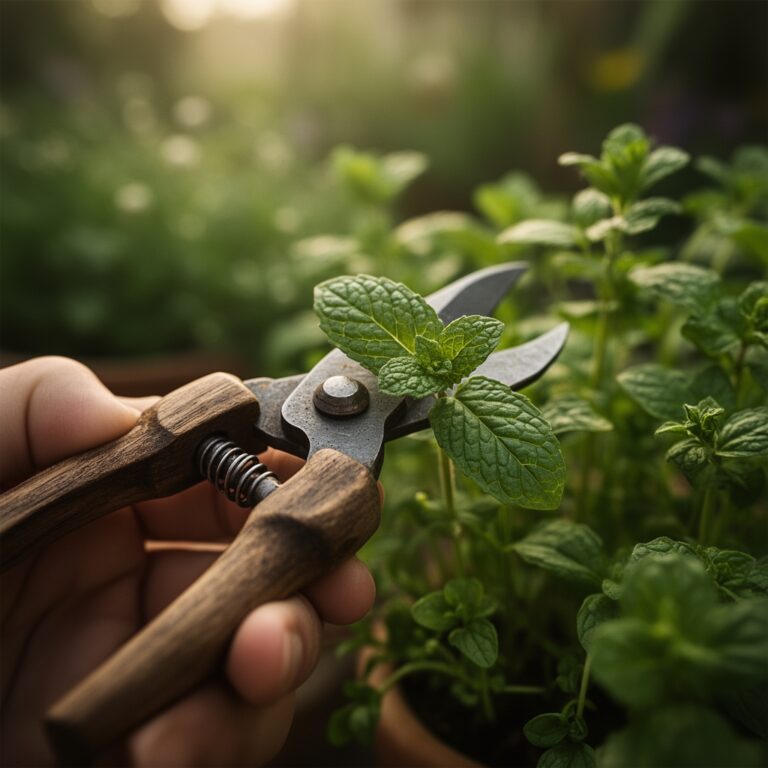
When pruning damaged foliage, use sterilized bypass pruners to make clean cuts at a 45-degree angle, preventing water from pooling on the wound. Use a hori-hori knife to gently aerate the top inch of soil if it becomes compacted, as compaction limits the oxygen available to both the roots and the nematodes. Clean all tools with a 10 percent bleach solution between plants to prevent the mechanical transfer of pathogens.
The Yield:
For edible crops, harvest when the fruit reaches peak pigment density or when trichomes transition from clear to milky. Use sharp snips to remove the produce, leaving a small portion of the stem attached to prevent moisture loss. Post-harvest, move the yield to a cooling room maintained at 45 to 55 degrees Fahrenheit with 60 percent humidity. This "cold chain" management preserves cellular structure and ensures day-one freshness for the consumer.
FAQ:
How long do nematodes take to work?
Expect a visible reduction in adult fungus gnat populations within 7 to 14 days. The nematodes infect and kill larvae within 24 to 48 hours, but the existing adult population must complete its life cycle before the decline is apparent.
Can I use nematodes with chemical fertilizers?
Yes, most nematodes are compatible with standard NPK fertilizers. However, avoid highly concentrated solutions with an Electrical Conductivity (EC) above 2.5 during application. Always apply fertilizers at half-strength when nematodes are first introduced to minimize osmotic stress on the organisms.
Do nematodes survive the winter?
Most Steinernema feltiae populations decline when soil temperatures drop below 40 degrees Fahrenheit. In colder Hardiness Zones, they act as an annual biological control and must be reintroduced each spring once the soil warms to at least 55 degrees Fahrenheit.
How often should I reapply nematodes?
For heavy infestations, reapply every 2 weeks for three cycles. For preventative maintenance in high-risk environments like greenhouses, a single application every 4 to 6 weeks is sufficient to keep the gnat population below the economic injury level.