5 Best Low Maintenance Ground Covers
Crushing a handful of damp, friable loam reveals the gritty reality of a successful landscape; the smell of geosmin indicates a healthy microbial community ready to support life. Selecting the best low maintenance ground covers requires an understanding of cellular turgor and root architecture. These plants must suppress weeds through sheer biomass while maintaining high metabolic efficiency under environmental stress. Success is measured in square footage covered and the reduction of supplemental inputs over a three year horizon.
Materials:
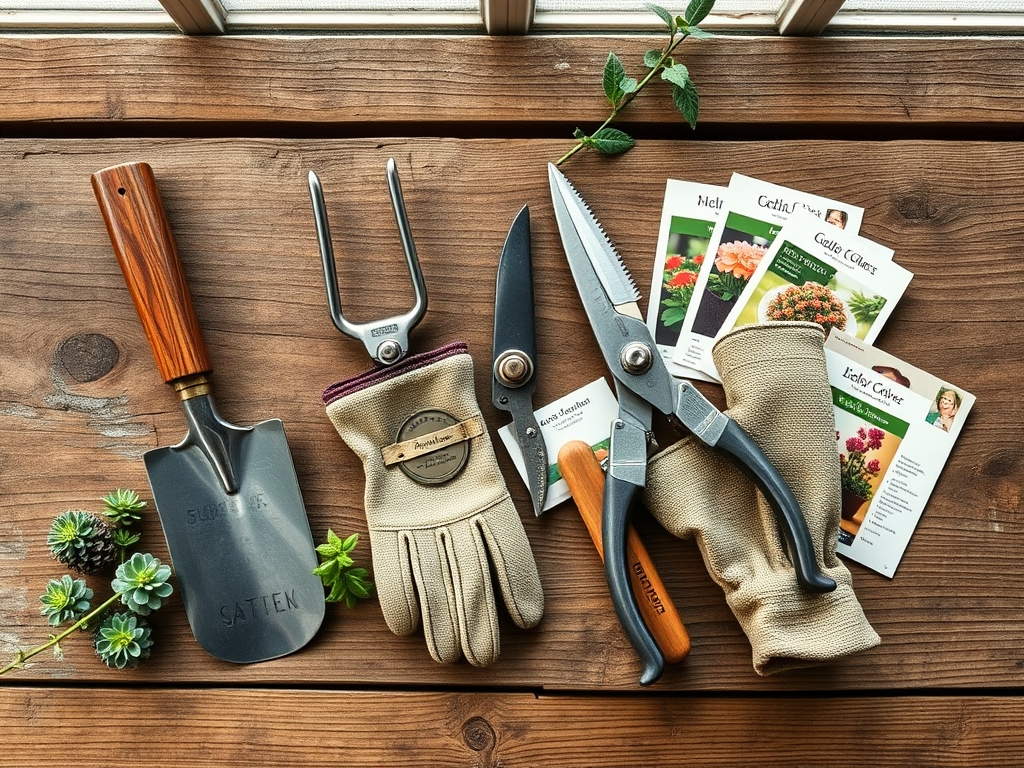
Substrate preparation dictates the longevity of the installation. For most woody ground covers, a soil pH between 6.0 and 7.0 is optimal to ensure maximum nutrient bioavailability. High Cation Exchange Capacity (CEC) soils, such as those with heavy organic matter, retain essential cations like Potassium (K+) and Magnesium (Mg2+).
Prepare the site with a balanced NPK ratio of 10-10-10 for initial establishment; however, nitrogen levels should be moderated to prevent excessive succulent growth that attracts sap-sucking insects. The physical texture should be a friable loam with a bulk density of approximately 1.33 g/cm3 to allow for unhindered root penetration and gas exchange within the rhizosphere.
- Creeping Thyme (Thymus praecox): Prefers alkaline conditions (pH 7.0 to 8.0) and a high sand content for drainage.
- Pachysandra terminalis: Requires acidic soil (pH 5.0 to 6.0) and high organic carbon.
- Sedum spurium: Thrives in low-nutrient environments; requires an NPK ratio closer to 5-10-10.
- Vinca minor: Tolerates a wide pH range (5.0 to 7.5) but demands high iron availability.
- Juniperus horizontalis: Needs well-drained, mineral-heavy soils with low phosphorus to prevent root rot.
Timing:
The biological clock of ground covers is governed by the photoperiod and soil temperature. Planting should occur when soil temperatures reach a consistent 55 degrees Fahrenheit. In Hardiness Zones 4 through 9, the primary planting windows are early spring (post-last frost) and early autumn (six weeks before the first hard freeze).
During the vegetative stage, the plant focuses on leaf area index expansion. As the season progresses toward the reproductive stage, energy shifts from stolon elongation to root fortification and seed production. Interrupting this cycle through poorly timed pruning can trigger premature senescence or reduce winter hardiness by depleting carbohydrate reserves in the crown.
Phases:

Sowing and Site Prep
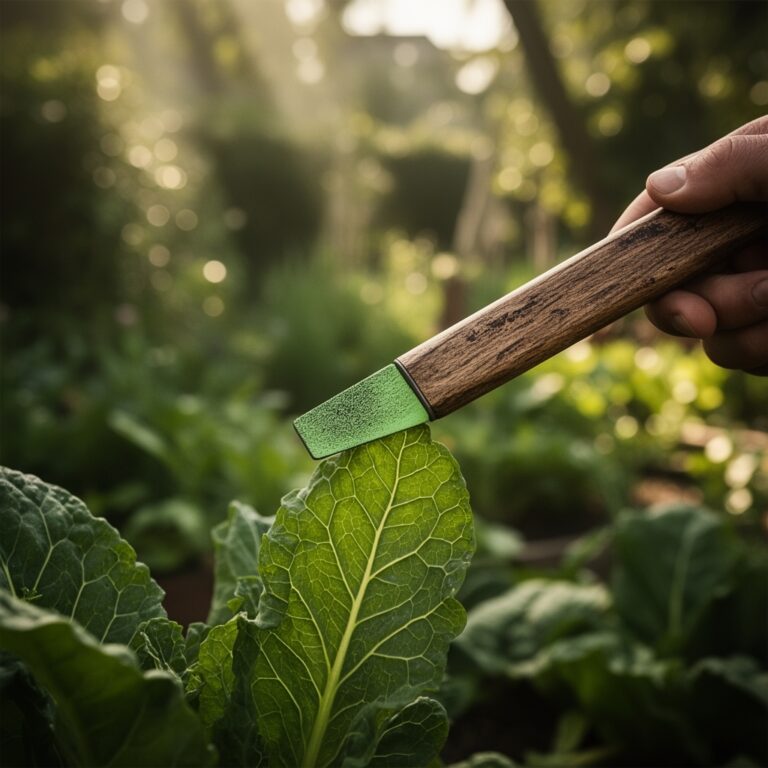
Clear the area of all perennial weeds using a hori-hori knife to extract taproots. If using seed, ensure a sowing depth of no more than 0.125 inches to allow light-induced germination for species like Thyme.
Pro-Tip: Mycorrhizal fungi inoculation during sowing enhances phosphorus uptake. This symbiotic relationship increases the effective root surface area by up to 1,000 percent, allowing the plant to survive periods of low matric potential (drought).
Transplanting
Space plugs at 8 to 12 inch intervals in a staggered triangular pattern. This geometry ensures the fastest canopy closure. When removing plants from nursery pots, gently scarify the root ball to break up "circling" roots that can lead to girdling.
Pro-Tip: Maintain high turgor pressure by hydrating plugs two hours before transplanting. This prevents transplant shock by ensuring the xylem is fully charged with water before the root-to-soil interface is disturbed.
Establishing
During the first 90 days, the primary goal is root colonization. Apply water when a soil moisture meter reads below 30 percent volumetric water content. Avoid heavy foot traffic to prevent soil compaction, which reduces the oxygen diffusion rate to the roots.
Pro-Tip: Use a light application of mulch to suppress auxin-driven weed germination. By blocking light from reaching the soil surface, you inhibit the hormonal triggers that tell weed seeds to break dormancy.
The Clinic:
Symptom: Interveinal chlorosis (yellowing between leaf veins).
Solution: This typically indicates a Manganese or Iron deficiency. Test soil pH; if it is above 7.5, these micronutrients become insoluble. Apply a chelated iron foliar spray for immediate relief.
Symptom: Marginal leaf burn or necrosis.
Solution: Often caused by salt accumulation or Potassium deficiency. Flush the soil with 2 inches of water to leach salts or apply a 0-0-50 sulfate of potash fertilizer.
Symptom: Stunted growth and purpling of older leaves.
Solution: Phosphorus deficiency. This is common in cold, wet soils where root activity is low. Increase soil temperature with a clear plastic cover or apply a high-phosphorus "starter" fertilizer.
Fix-It: Nitrogen Chlorosis
If the entire plant turns pale green, nitrogen is lacking. Apply a slow-release nitrogen source at a rate of 1 pound per 1,000 square feet. Monitor the color change over 14 days as chlorophyll synthesis resumes.
Maintenance:
Precision maintenance reduces labor and resource waste. Apply exactly 1.5 inches of water per week at the drip line during the first growing season. Use bypass pruners to remove dead or diseased wood in late winter before the sap begins to flow.
For woody covers like Juniper, avoid cutting back into "old wood" where dormant buds are no longer viable. Use a soil moisture meter weekly to calibrate your irrigation schedule. If the soil remains saturated for more than 48 hours, improve drainage to prevent anaerobic conditions that lead to root pathogens.
The Yield:
For flowering ground covers like Creeping Thyme, harvest during the peak of anthesis (full bloom) when essential oil concentration is highest. Use sharp shears to cut the top third of the growth.
To maintain "day-one" freshness for culinary or decorative use, submerge the stems in 40 degree Fahrenheit water immediately. This rapid cooling slows the respiration rate and preserves the cellular structure. For dried applications, hang bundles in a dark area with high airflow to prevent mold growth during the desiccation process.
FAQ:
What is the fastest growing low maintenance ground cover?
Vinca minor and certain Sedum varieties offer the fastest lateral spread via stolons and rhizomes. Under optimal conditions, they can cover 12 to 18 inches of bare soil per growing season while requiring minimal supplemental fertilization.
How do I stop weeds from growing through ground cover?
Achieving a high leaf area index is the best defense. Until the canopy closes, maintain a 2 inch layer of organic mulch and use a hori-hori knife for precision weeding to avoid disturbing the ground cover's root system.
Can ground covers survive heavy foot traffic?
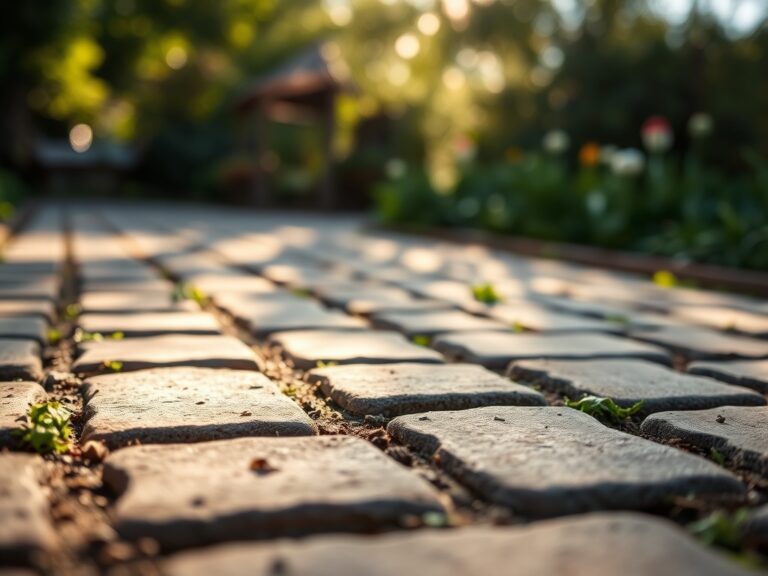
Most ground covers, like Creeping Thyme, handle occasional "stepping," but frequent traffic collapses the xylem and phloem. For high-traffic areas, integrate flagstones to bear the mechanical load, leaving the plants to fill the interstitial gaps.
Do I need to fertilize ground covers every year?
No. Once established, most low maintenance ground covers thrive on the decomposition of their own leaf litter. Perform a soil test every three years to monitor pH and only apply nutrients if specific deficiency symptoms appear.