7 Best Pavers for Driveway Drainage
The scent of ozone precedes a summer storm; it is the smell of impending hydraulic pressure against the structural integrity of your landscape. When heavy rain hits compacted soil, the turgor pressure within the surrounding turf increases until the rhizosphere becomes anaerobic. Selecting the best pavers for driveway drainage is not merely an aesthetic choice; it is a critical engineering decision to manage runoff and prevent soil erosion. Without high infiltration rates, water pools on the surface, causing the soil to lose its structural aggregate and suffocating the root systems of nearby specimen trees.
Materials:

Installation requires a substrate that mimics a **friable loam** but maintains the load-bearing capacity of a commercial grade foundation. The base layer must consist of **#57 washed angular stone**, which provides a high void space for water storage. For the setting bed, use **#8 or #9 aggregate** rather than sand to prevent capillary rise and ensure rapid percolation.
The surrounding soil chemistry dictates the longevity of the installation. In regions with a pH below 5.5, acidic runoff can etch certain concrete pavers; therefore, a neutral buffer is required. Aim for a Cation Exchange Capacity (CEC) of 15 to 25 in the adjacent planting beds to ensure that the nutrients filtered through the permeable system are actually available to the plants. If you are planting groundcovers within the paver voids, a balanced NPK ratio of 10-10-10 should be incorporated into the initial soil mix to support early root development without causing excessive vegetative surge.
Timing:
Successful installation depends on the thermal properties of the ground. In Hardiness Zones 4 through 7, construction must occur at least six weeks before the first hard frost to allow the subgrade to settle. If the soil freezes while saturated, the resulting frost heave will displace the pavers and ruin the drainage gradients.
The biological clock of your landscape is equally important. Avoid heavy excavation during the reproductive stage of nearby trees; usually mid-spring; when the plant is diverting all glucose to flowering and leaf expansion. During this window, the root system is highly sensitive to compaction. The ideal time for installation is during the late summer senescence, when deciduous plants are beginning to move carbohydrates into the root zone for winter storage.
Phases:

Sowing the Foundation
The first phase involves excavating to a depth of 12 to 18 inches depending on the local frost line. You must maintain a 2 percent slope away from any permanent structures to prevent hydrostatic pressure against the foundation. Lay a non-woven geotextile fabric to separate the subgrade from the drainage stone.
Pro-Tip: Ensure the geotextile is highly permeable to maintain mycorrhizal symbiosis. If the barrier is too dense, it prevents the movement of beneficial fungal hyphae that link the driveway edges to the broader forest network.
Transplanting the Units
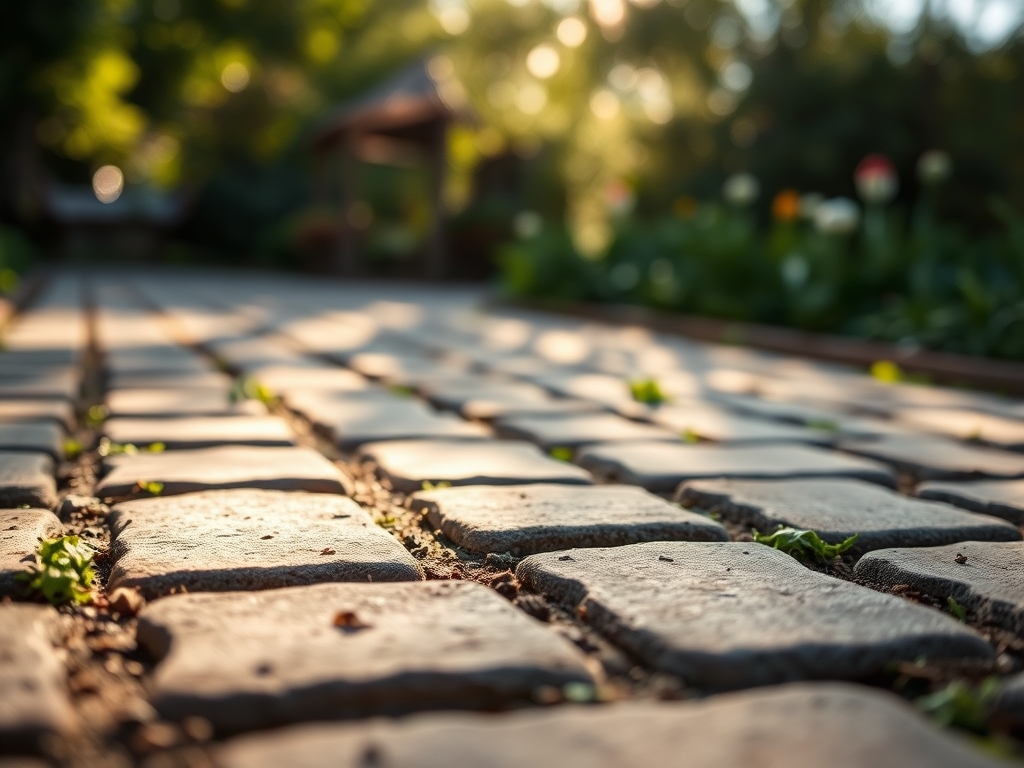
When laying the best pavers for driveway drainage, maintain a consistent gap of 1/4 to 1/2 inch. Use a plate compactor with a protective mat to set the pavers into the #8 stone bedding. This mechanical vibration locks the angular stones together through friction, creating a stable surface that remains porous.
Pro-Tip: Use a hori-hori knife to clean out any debris from the joints before filling them with aggregate. This prevents the "wicking effect" where organic matter pulls moisture upward, leading to premature stone degradation through freeze-thaw cycles.
Establishing the System
Once the pavers are set, fill the voids with high-permeability aggregates or a specialized growing medium if using "turf-block" styles. If using turf, select a low-growth fescue that can handle high foot traffic and low oxygen levels.
Pro-Tip: Avoid high-nitrogen fertilizers during the first 30 days to prevent auxin suppression. You want the roots to grow deep into the aggregate layers to find moisture rather than staying near the surface where they are vulnerable to heat stress.
The Clinic:
Physiological disorders in a driveway landscape often manifest as foliage changes in the perimeter plants.
Symptom: Interveinal chlorosis on new growth.
Solution: This indicates a Manganese or Iron deficiency, often caused by high alkalinity leaching from new concrete pavers. Test the soil pH; if it exceeds 7.5, apply elemental sulfur to lower the pH and increase nutrient availability.
Symptom: Marginal leaf scorch on nearby shrubs.
Solution: This is frequently a sign of sodium toxicity from de-icing salts. Flush the area with 2 inches of water to leach the salts below the root zone.
Symptom: Stunted growth and dark purple leaves.
Solution: This is Phosphorus deficiency, common in cold, wet soils where the drainage system has failed. Check for clogs in the aggregate layers using a soil moisture meter.
Fix-It for Nitrogen Chlorosis: If the turf between pavers turns pale yellow, apply a slow-release 20-0-0 fertilizer. This provides the necessary building blocks for chlorophyll without causing a massive flush of growth that requires constant trimming.
Maintenance:
A permeable driveway is a living filter that requires active management. Inspect the joints every six months for sediment buildup. Use a stiff-bristle broom or a specialized vacuum to remove fine particulates that can clog the macropores of the stone.
Water the perimeter plants with exactly 1.5 inches of water per week during the first growing season. Use a soil moisture meter to check the hydration levels at a depth of 6 inches. For pruning overhanging branches that might drop organic debris onto the pavers, use bypass pruners for clean cuts that heal quickly, preventing the entry of pathogens. If weeds appear in the joints, do not pull them by hand if they are large; use a hori-hori knife to cut the taproot to avoid displacing the joint aggregate.
The Yield:
While a driveway does not produce a caloric yield, the "yield" here is measured in stormwater mitigation. A well-installed system using the best pavers for driveway drainage can process up to 100 inches of rain per hour. This prevents the "first flush" of pollutants from entering the local watershed. To maintain this performance, ensure the surface remains clear of leaf litter, which can decompose into a fine "mat" that seals the system. If you have used "grass-pavers," mow them to a height of 3 inches to encourage deep rooting and maximize the cooling effect of transpiration.
FAQ:
What are the best pavers for driveway drainage?
Permeable interlocking concrete pavers (PICP) are the industry standard. They utilize specialized #8 stone in the joints to allow water to bypass the surface and enter a crushed stone reservoir, preventing runoff and recharging local groundwater.
How do I prevent weeds in permeable pavers?
Maintain the integrity of the angular aggregate in the joints. Weeds typically germinate in accumulated organic matter. Regularly removing debris with a leaf blower or vacuum prevents the formation of a seedbed within the drainage gaps.
Do permeable pavers work in freezing climates?
Yes. Because the system is designed with high void spaces, water drains through before it can freeze. This reduces the risk of ice formation on the surface and prevents the destructive heave associated with traditional non-porous asphalt or concrete.
Can I use sand to fill the joints?
No. Sand has small pore spaces that clog easily and facilitate capillary action, which traps moisture. Always use washed, angular stone (such as #8 or #9) to ensure the high infiltration rates required for effective driveway drainage.